
Add us as your preferred source on Google to see more of our content in Search.
 Add to Preferred Sources
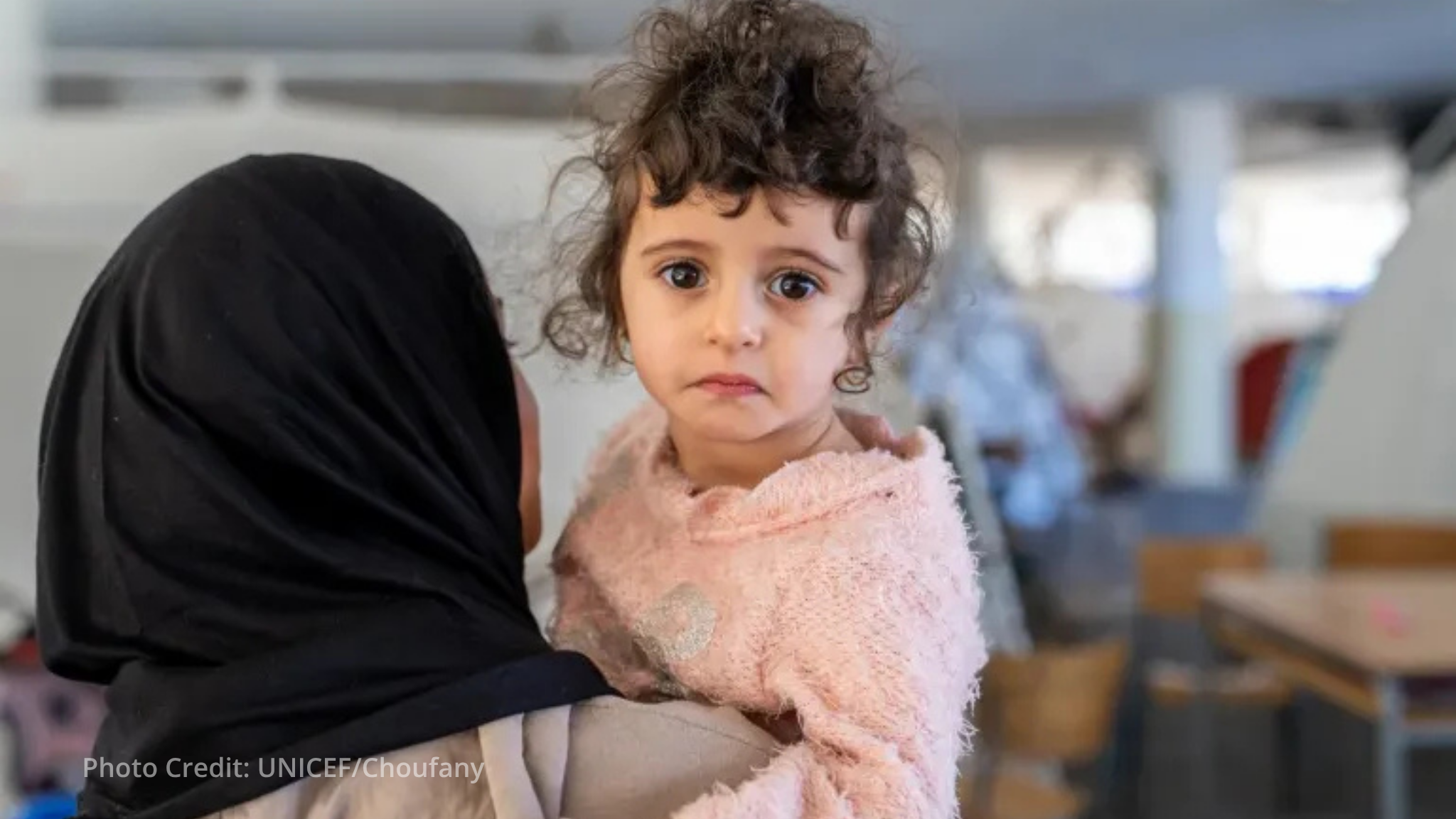
In just three weeks, more than 370,000 children have been forced out of their homes in Lebanon, an average of at least 19,000 girls and boys displaced every day, United Nations Children’s Fund (UNICEF) has warned. The movement is so fast and large that it resembles hundreds of school buses filled with children fleeing for their lives every 24 hours. Across the country, roughly one in five Lebanese has now been displaced, many for the second, third, or even fourth time, as escalating violence tears families apart and hollows out entire communities.
The mental and emotional toll on children is especially severe. Before they had time to recover from the last major escalation 15 months ago, they are being uprooted again, caught in a relentless cycle of bombardment and flight. In Beirut, UNICEF Executive Director Catherine Russell met 11‑year‑old Zeinab, who had fled to the same school that sheltered her family 18 months earlier. Zeinab said she never thought she would sleep in a crowded classroom listening to shelling every night again, and that she just wants to go back home and back to school.
More than 135,000 internally displaced people are now housed in over 660 collective shelters across Lebanon, many of them children. Conditions are increasingly strained, with many families in overcrowded, informal settings such as unfinished buildings or public spaces. Lebanon’s pre‑existing economic crisis and weakened infrastructure were already struggling to meet basic needs; now they are buckling under the weight of mass displacement. In areas like Bekaa and Baalbek, repeated attacks have damaged water systems, cutting off tens of thousands from safe water, while about 435 public schools have been turned into shelters, halting education for more than 115,000 students.
The human cost is staggering. At least 121 children have been killed and 395 injured, while many families have fled with only the clothes on their backs, forced to move multiple times in the same week. Civilian infrastructure vital to children’s daily lives — hospitals, schools, bridges, and water and sanitation systems — has been repeatedly attacked or destroyed. UNICEF and partners are delivering non‑food items and winterization kits to over 167,000 displaced people, sending more than 140 tons of medical supplies to hospitals, and deploying 40 primary‑health satellite units, alongside emergency water and sanitation support to nearly 190 shelters. Efforts are also underway to restore education through online learning and temporary learning spaces.
Even so, humanitarian aid cannot keep pace with the scale of need. Paramedics and health workers have come under repeated attack, and many families remain cut off in hard‑to‑reach areas. UNICEF is calling for unimpeded access to all affected communities, an immediate end to attacks on civilian infrastructure, and most critically, an immediate ceasefire so that 370,000 displaced children can stop running and start living as children should.