

Add us as your preferred source on Google to see more of our content in Search.
 Add to Preferred Sources
Why this story matters
- Women in the Philippines are secretly risking their lives because seeking medical help could lead to a prison term.
- A booming online market is selling abortion pills disguised as ‘menstrual remedies.’
- The annual number of abortions exceeds 1 million despite a total legal ban being in place.
- The poorest and youngest are paying the highest price.
- Where is the end to this ordeal?
When Jane began to bleed heavily after taking abortion pills, she did not go to the hospital; instead, she messaged the man who had sold them to her. That choice was shaped by fear rather than by circumstance.
In the Philippines, one of only 24 countries where abortion remains illegal in all circumstances, the fear of prosecution is pushing women away from formal healthcare and into a growing, dangerous, unregulated and often exploitative underworld.
A hidden market thriving online
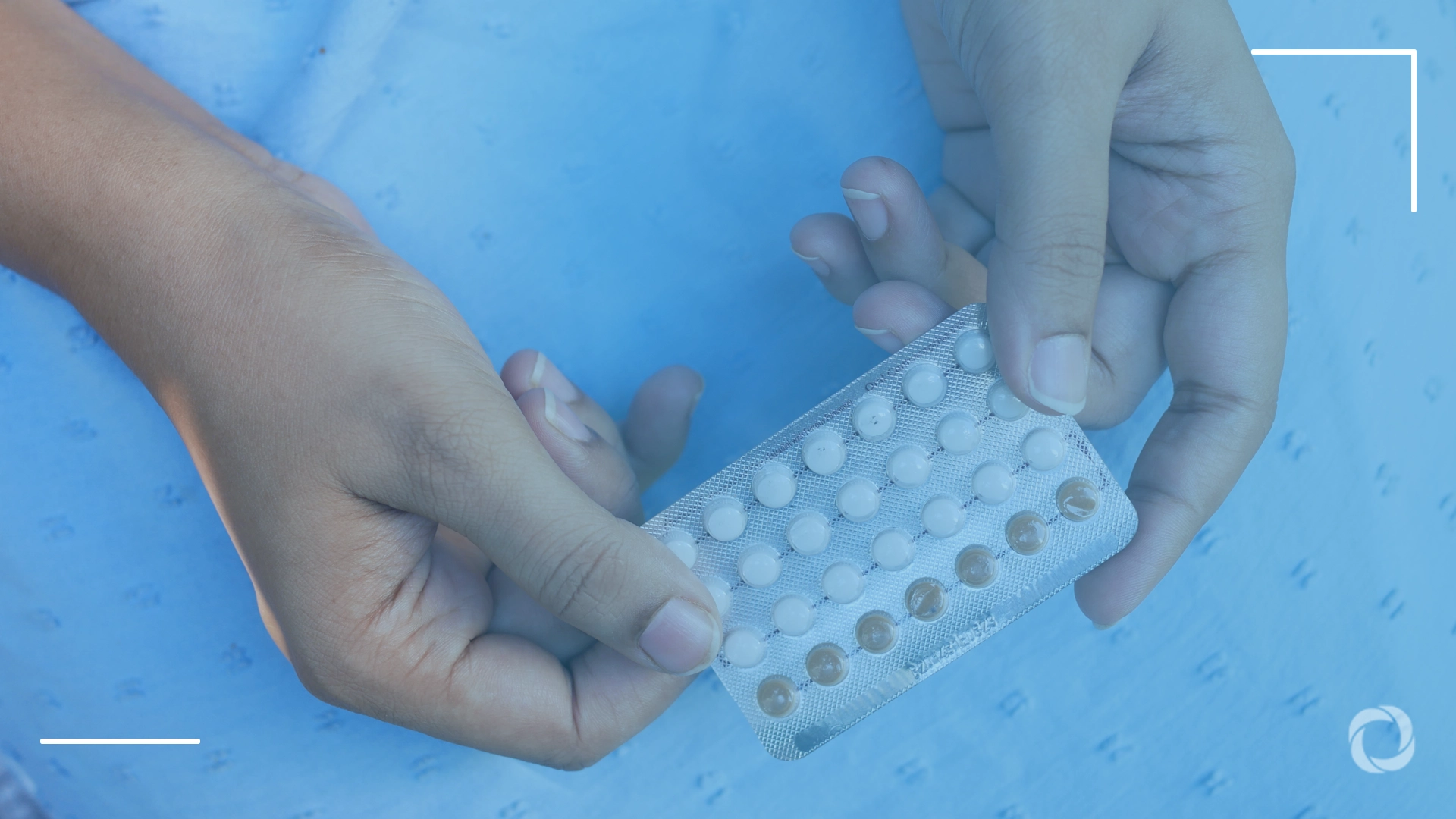
Across the country, abortion pills are increasingly being sold online on e-commerce platforms and social media, often disguised as “menstruation remedies”.
In 2025, Women on Web, a non-profit that facilitates online access to medical abortion, received 47,000 emails and 10,000 requests for abortion pills from Filipinos, a stark indication of demand.
Advocates state that the restrictive law has not reduced abortion rates, but has instead forced women to seek unsafe alternatives online, risking their health and lives.
The most vulnerable pay the highest price
A 2020 study estimated there were 1.26 million abortions annually in the Philippines, despite the total ban, with this number expected to rise. The United Nations Population Fund reports 71 unintended pregnancies per 1,000 women in the Philippines annually.
Unsafe abortions disproportionately affect vulnerable groups such as low-income and young women, and those living in rural areas who lack access to contraception, healthcare and the means to travel. Among girls aged 10-14, pregnancies rose by over 60% from 2,113 in 2020 to 3,433 in 2023.
Limited sex education and access to contraceptives continue to fuel the crisis. Although the government promised improved access to contraception, barriers still exist, including the high cost, supply shortages and restricted access for teenagers.
1,000 women die annually
With no legal options, many women turn to dangerous methods, from unregulated pills to procedures by untrained providers, sometimes called “menstrual healers”.
Lawyer Clara Padilla of the Philippine Safe Abortion Advocacy Network notes women in the Philippines resort to extreme measures such as stomach binding or the insertion of wire coat hangers, with prices for such services ranging from US$34 to US$84.
The consequences are severe. Approximately 1,000 Filipino women die each year from complications linked to unsafe abortions, while over 100,000 women are hospitalized annually due to infection, hemorrhage, or organ damage.
Even when in hospital, health workers are reluctant to provide care, fearing arrest and the risk of up to six years in prison or the loss of the license to practise.
“Providers want to help, they see it as ethical, but it’s a daunting prospect for them,” medical activist and co-founder of a Women’s Health Center, Dr. Junice Melgar, explained.
Law + religious beliefs + stigma = Total abortion ban
Under the 1987 Constitution and Revised Penal Code, abortion is illegal and strictly prohibited in the Philippines with no legal exceptions. Even in cases of rape, the risk of death, or financial hardship, abortion is banned. Women found to have aborted face prison sentences of between two and six years.
With the Philippines being a majority Catholic country, the church holds significant influence, condemning abortion, divorce, and forbidding modern contraceptives. Reverend Father Dan Cancino of the Catholic Bishops’ Conference of the Philippines stated, “The Catholic Church will always oppose abortion and its applications,” citing the church’s commitment to preserving human life and dignity.
This position is deeply ingrained in the country’s culture, law, and social fabric, making the Philippines one of the few places in the world that retains an absolute ban on abortion.
A legacy at odds with women’s health
The Revised Penal Code of the Philippines, enacted in 1930 and with its roots in the country’s Spanish colonial past, criminalizes abortion, with penalties of up to six years in prison for those who undergo, perform, or assist in the procedure.
This restrictive framework was reinforced by the 1987 Constitution of the Philippines, which mandated that the state must “equally protect the life of the mother and the life of the unborn from conception”.
This legal position persists despite the Philippines’ commitments to fundamental rights such as health, privacy, and life, as well as its ratification of major international human rights treaties.
Efforts to broaden reproductive rights have faced resistance. The implementation of the Responsible Parenthood and Reproductive Health Act of 2012 aimed to expand access to sex education and contraception, but this has reportedly faced opposition from conservative groups.
More recently, during his 2022 campaign, President Ferdinand Marcos Jr. signaled openness to allowing abortion in “severe cases”. However, translating that rhetoric into policy has proven to be complex when deeply rooted social, political, and religious dynamics continue to shape the national debate.