
Add us as your preferred source on Google to see more of our content in Search.
 Add to Preferred Sources
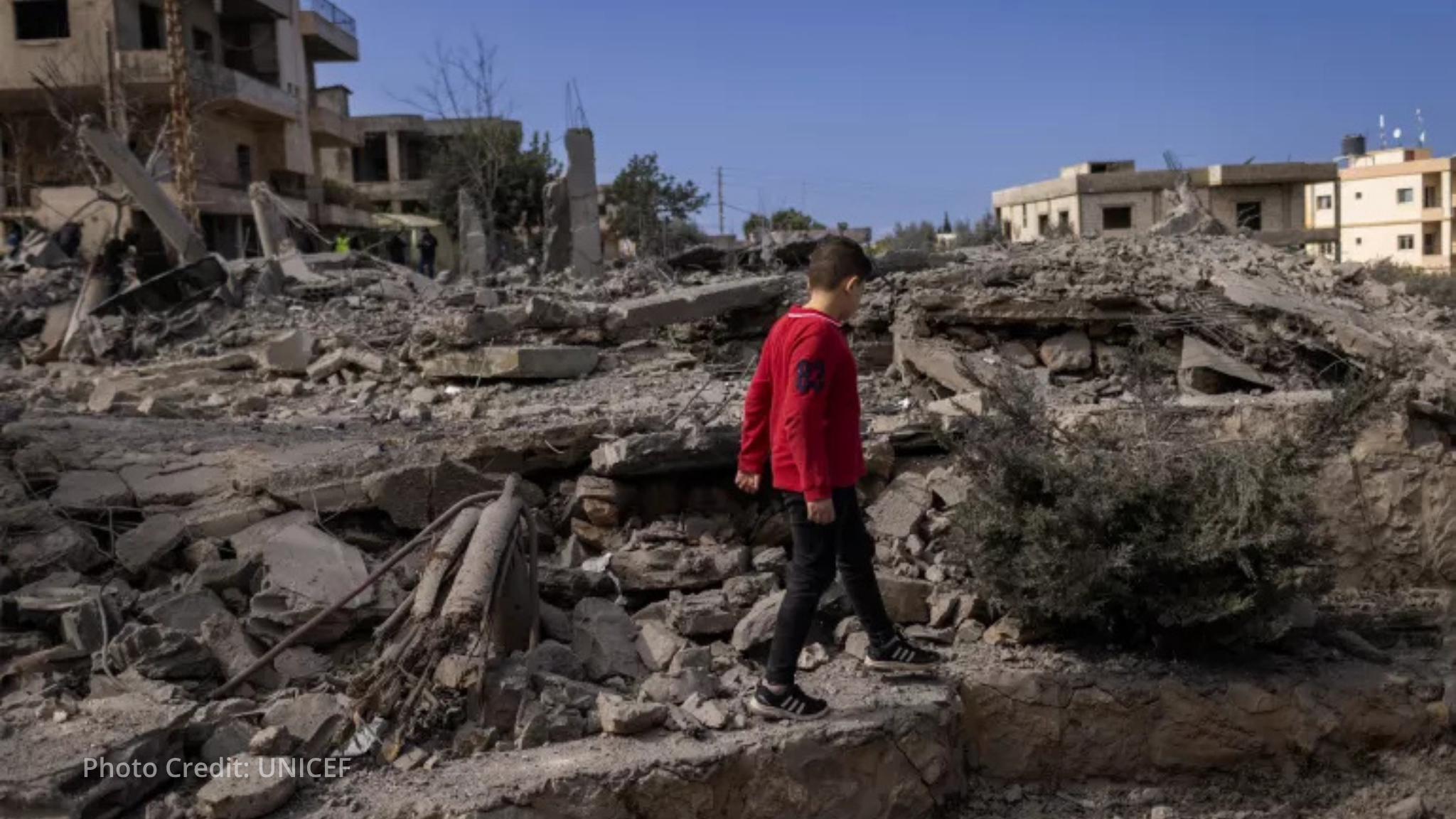
More than 200,000 people crossed from Lebanon into Syria between 2 and 27 March, one month after hostilities intensified in the region, according to a United Nations High Commissioner for Refugees (UNHCR) briefing note citing Syrian authorities. Nearly 180,000 are Syrians — including refugees who once fled the country and are now forced to move again — while over 28,000 Lebanese have also crossed. Most arrive exhausted, traumatized, and with almost nothing after fleeing intense Israeli bombardment.
Crossings have been heaviest at the Masnaa–Jdeidet Yabous and Al Qaa–Joussieh points, now open around the clock, with early March seeing the largest peaks — mainly families from Beirut’s southern suburbs and southern Lebanon. Around half of Syrians surveyed plan to stay permanently despite economic hardship and limited services, while others aim for a temporary stay with relatives or in rented housing. Immediate needs include food, shelter, health care, livelihoods, and civil documentation like birth and marriage certificates.
UNHCR rapidly scaled up at the borders, distributing water to 30,000 people in transit, delivering blankets, dignity kits, and children’s supplies, providing legal assistance to hundreds of families, and organizing transport for over 3,500 people to reach their destinations. Community centers across Syria serve as the backbone of the response, offering psychological first aid, mental health support, and referrals for medical, legal, education, and child protection services. More than 20,000 returnees have already received support across the country.
As one Syrian father told UNHCR staff after fleeing heavy shelling in Lebanon: they came back home after so much suffering, hoping things will be better here. UNHCR says it must stay by their side to support reintegration, as it has done for over 3 million Syrians who have voluntarily returned since December 2024. However, the Syria operation is less than 30% funded against $324 million in 2026 requirements, and the agency is urgently calling for international support.