
Add us as your preferred source on Google to see more of our content in Search.
 Add to Preferred Sources
World food commodity prices climbed for the second consecutive month in March, with the Food and Agriculture Organization of the United Nations (FAO) Food Price Index averaging 128.5 points — up 2.4% from February and 1% higher than a year ago, according to the FAO’s latest benchmark report. Higher energy costs linked to the escalating conflict in the Near East are the primary driver, pushing up prices across vegetable oils, cereals, meat, dairy, and sugar. While global cereal supplies remain ample for now, the FAO warns that prolonged conflict could reshape farming decisions and food supply well into 2027.
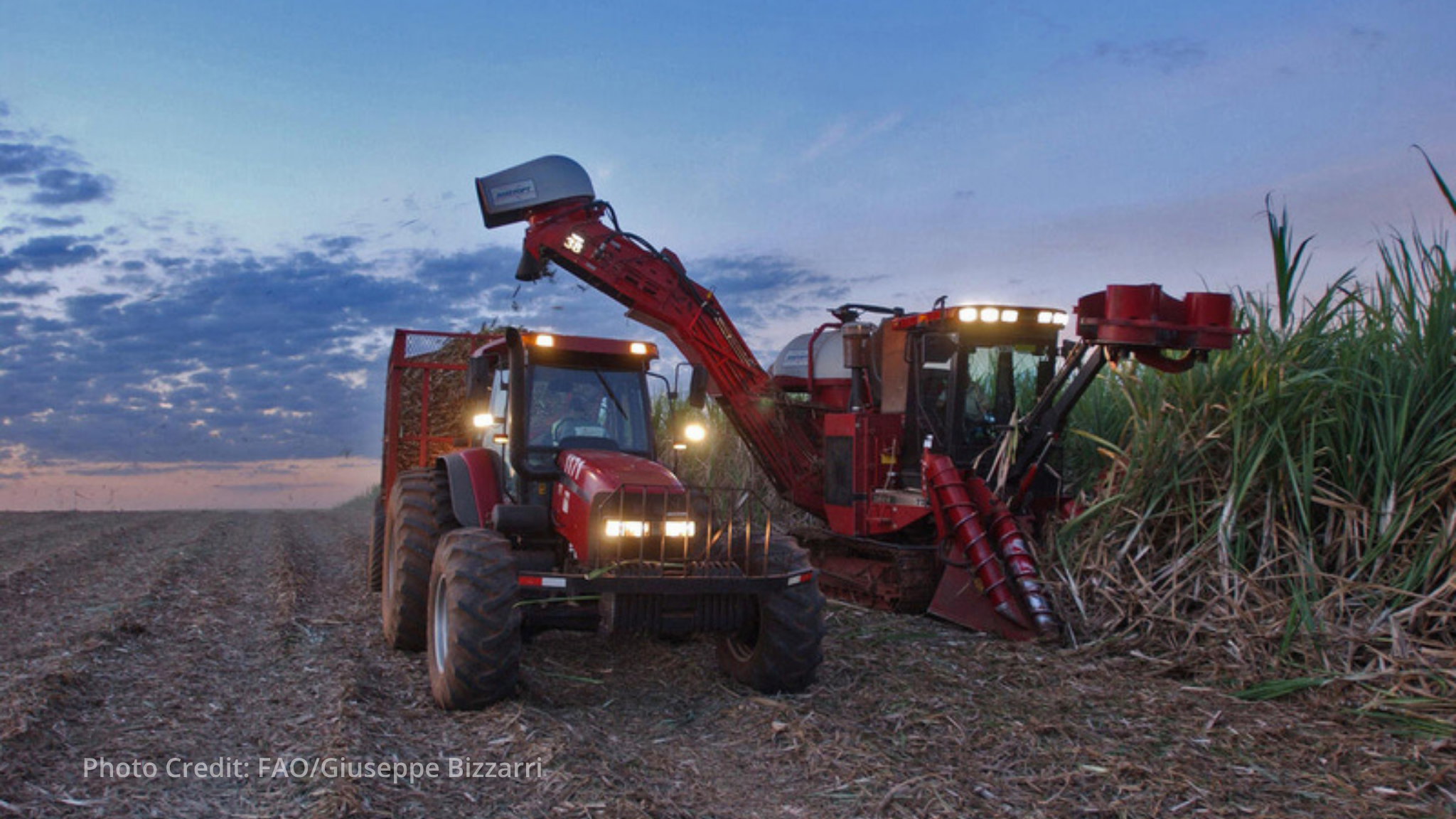
Wheat prices rose 4.3% due to drought in the United States and expectations of reduced planting in Australia driven by higher fertilizer costs. Vegetable oils jumped 5.1%, with palm, soy, sunflower, and rapeseed all rising on stronger biofuel demand expectations tied to crude oil prices. Sugar surged 7.2% as markets anticipated Brazil would divert more sugarcane to ethanol production to offset higher energy costs. Rice prices fell 3%, softened by harvest timing, weaker import demand, and currency movements against the dollar.
FAO Chief Economist Máximo Torero said price rises since the conflict began have so far been modest, cushioned by strong cereal stocks. But he warned that if high input costs persist beyond 40 days, farmers will face hard choices — farming with fewer inputs, planting less, or switching to less fertilizer-intensive crops — with consequences for yields and prices through the rest of 2026 and all of 2027. Conflict-related disruptions to supply chains and production routes have also added new uncertainty to global wheat and maize outlooks.
FAO now forecasts global wheat production in 2026 at 820 million tonnes, down 1.7% from the previous year, with lower output expected in the EU, Russia, and the US, partly offset by record harvests in India and improved conditions across North Africa, Iran, and Türkiye. Global cereal production in 2025 is projected at a record 3,036 million tonnes, up 5.8% year-on-year, with world cereal stocks expected to reach 951.5 million tonnes — keeping the global supply picture relatively stable for now, though increasingly vulnerable to how the conflict unfolds.