
Add us as your preferred source on Google to see more of our content in Search.
 Add to Preferred Sources
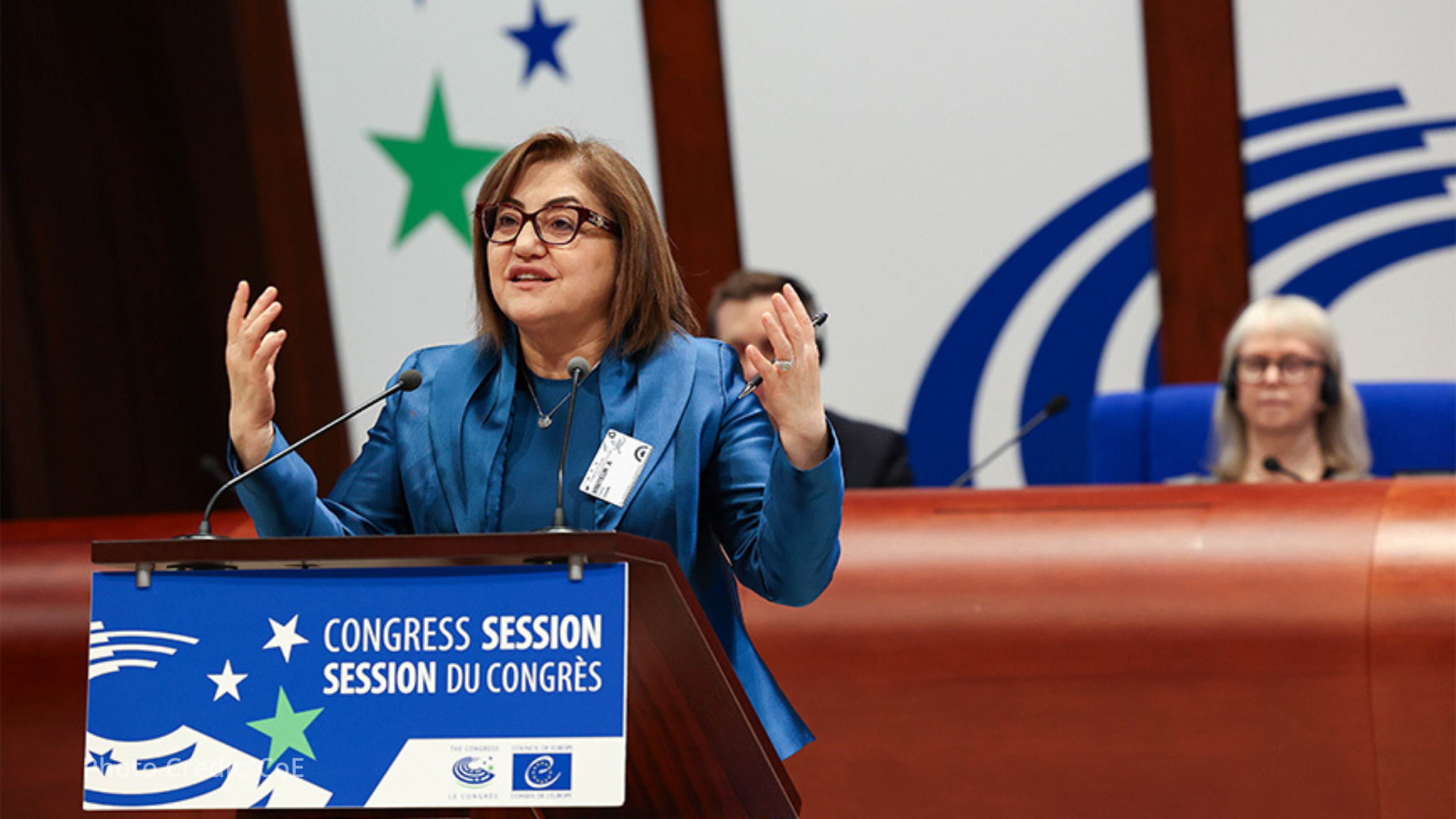
Europe’s cities and regions are on the front line of some of the world’s most pressing challenges — from AI-driven governance risks and healthcare strain to migration pressures and shrinking social rights — and local leaders are increasingly being left to navigate them alone, according to discussions at the 50th plenary session of the Congress of Local and Regional Authorities of the Council of Europe, concluding in Strasbourg. The debates, held as a contribution to the New Democratic Pact for Europe, covered a wide range of topics reflecting how global trends play out in local communities across the continent.
On artificial intelligence, the Congress stressed that local and regional authorities must build human-rights-compliant AI governance frameworks in line with the Council of Europe’s AI Convention, and ensure elected officials and staff are properly trained. Many municipalities — especially smaller ones — lack the skills and resources to use AI responsibly. The Congress called for clear communication, accessible interfaces, and meaningful human oversight wherever AI systems make automated decisions affecting individuals, such as housing allocation or social benefits.
Healthcare is facing a mounting crisis: ageing populations, shrinking local budgets, and burnout among medical staff are stretching services to breaking point and driving workers out of the profession. Congress members discussed practical strategies to recruit, retain, and support healthcare workers locally, including training pipelines, housing support, and digital and mobile health services. On social rights, local authorities were urged to develop strategies covering social housing, fair working conditions, equal education access, and stronger protection for vulnerable groups, with civil society seen as a key partner.
Migration is reshaping parts of Europe — particularly coastal regions and islands — with direct consequences for local governance and democracy. The Congress also called for a stronger human-rights-based approach at local level, better enforcement of social rights, and greater support from national governments so municipalities can meet their legal obligations. European Court of Human Rights President Mattias Guyomar addressed the Congress, underscoring that issues like freedom of expression, evictions, child protection, and unlawful detention often demand local solutions before they ever reach a courtroom.