
Add us as your preferred source on Google to see more of our content in Search.
 Add to Preferred Sources
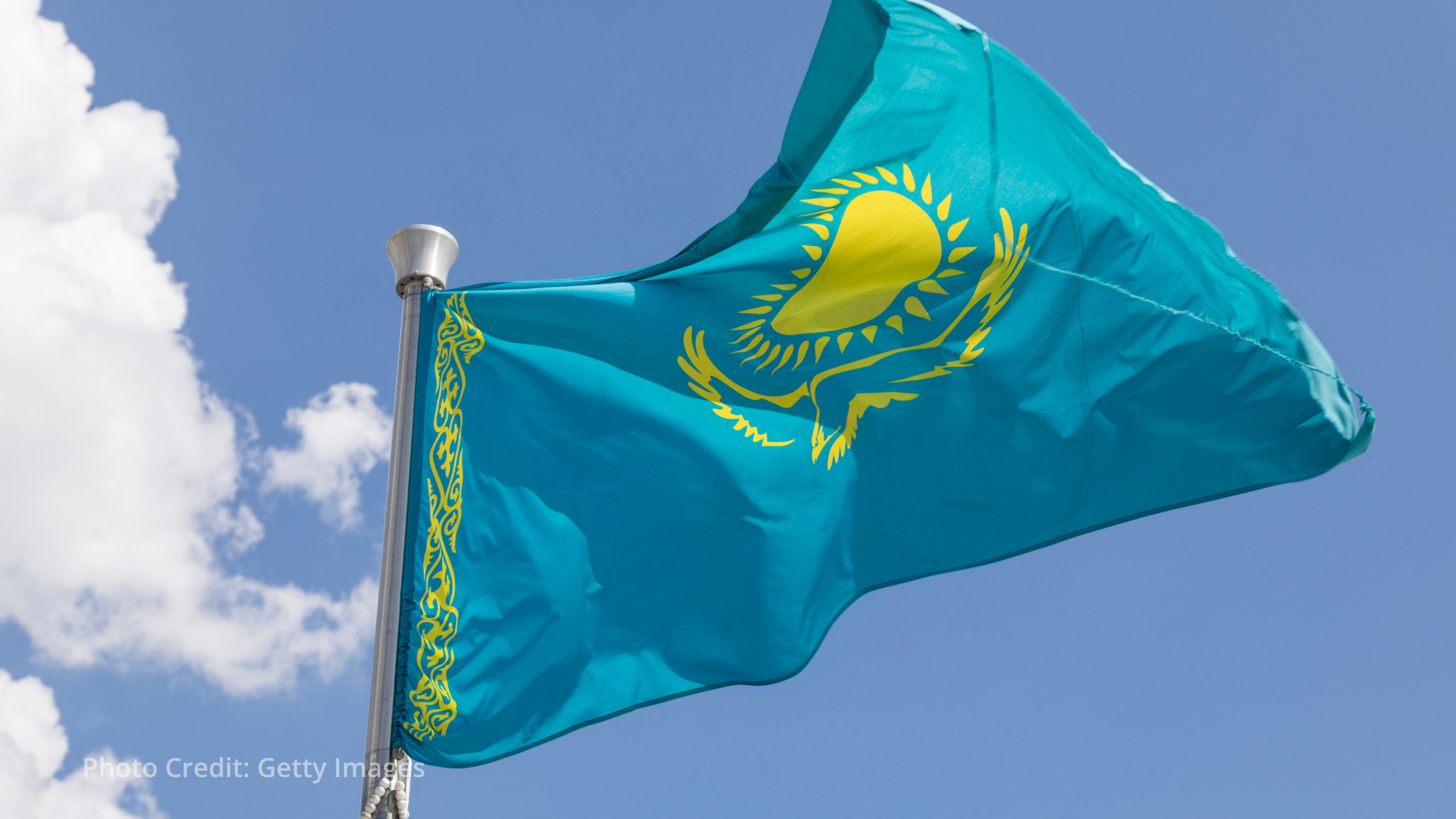
Kazakhstan has reached Maturity Level 3 (ML3) in the World Health Organization’s global classification of national regulatory authorities — becoming the first country in Central Asia to achieve the designation for the regulation of medicines and imported vaccines, according to a World Health Organisation (WHO) announcement. The milestone means Kazakhstan now has a stable, well-functioning, and internationally recognized regulatory system capable of independently evaluating, approving, and monitoring health products. For nearly 20 million people, it translates into greater confidence that the medicines and vaccines they rely on are safe, effective, and quality-assured.
The ML3 designation follows a rigorous WHO benchmarking process using the Global Benchmarking Tool, which assesses the maturity and performance of national regulatory systems against international standards. Kazakhstan’s regulatory framework is led by the Ministry of Health and implemented through two key institutions: the Committee for Medical and Pharmaceutical Control and the National Center for Expertise of Medicines and Medical Devices. Together, they oversee the full lifecycle of health products — from initial evaluation and market authorization to post-market surveillance and rapid response to safety concerns, including substandard or falsified products.
WHO Assistant Director-General Dr. Yukiko Nakatani said the achievement reflects Kazakhstan’s “strong political commitment to building resilient health systems” and contributes to a more secure global health landscape. WHO Regional Director for Europe Dr. Hans Henri P. Kluge called it “the bedrock of trust between a government and its people,” adding that the progress will strengthen health security not just in Kazakhstan but across Central Asia and beyond. Countries operating at ML3 and ML4 may also become eligible for designation as WHO Listed Authorities, giving them a more prominent role in shaping global regulatory standards.
The recognition is expected to drive lasting benefits across the health system — greater regulatory transparency, stronger conditions for innovation, and faster access to priority health products through reliance pathways. It also positions Kazakhstan as a regional reference point for regulatory reform, with WHO committing to continue supporting the country in sustaining and building on its progress. For the broader Central Asian region, the milestone sets a concrete benchmark and demonstrates that investment in regulatory capacity pays real dividends for public health.