
Add us as your preferred source on Google to see more of our content in Search.
 Add to Preferred Sources
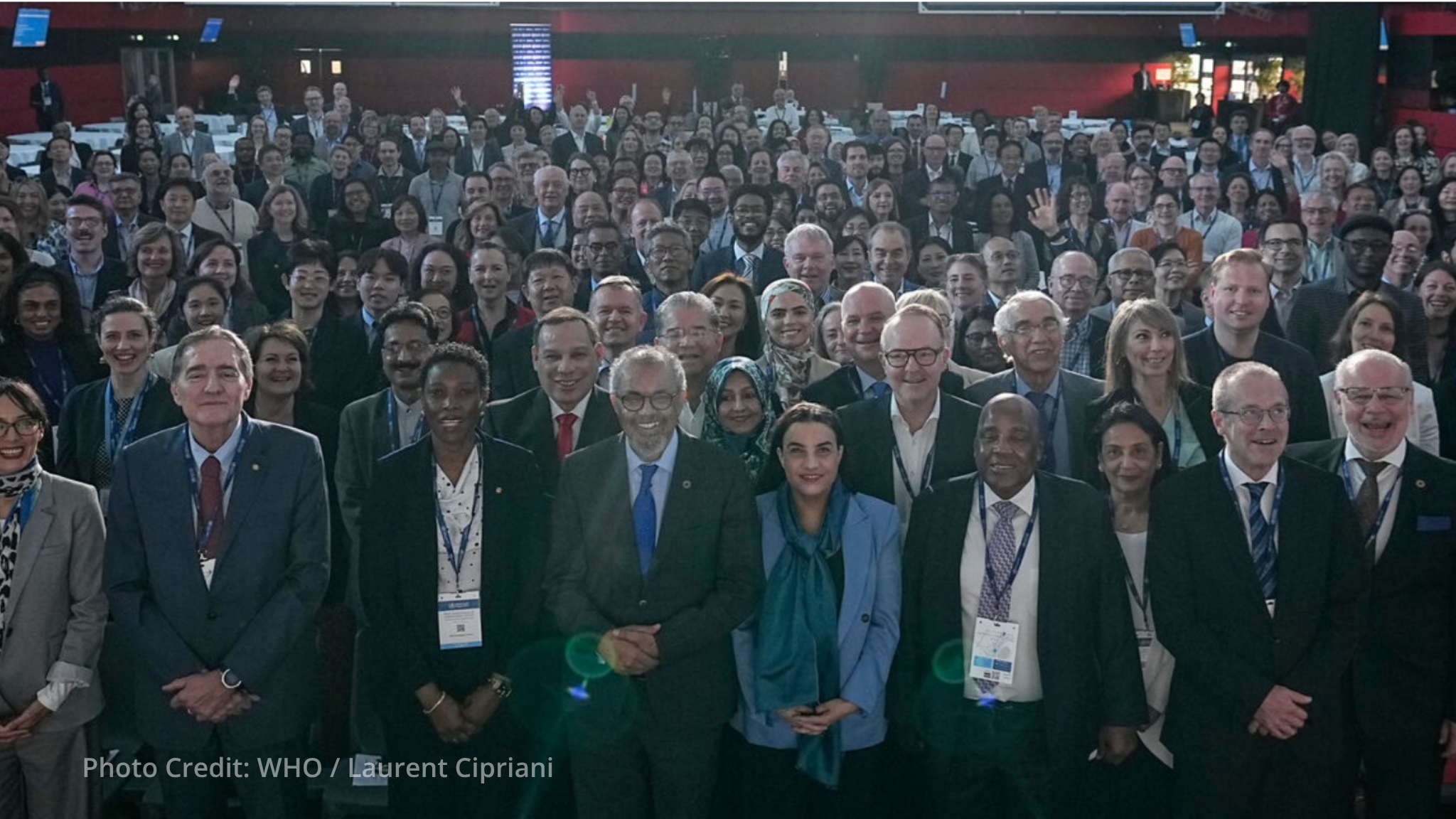
The World Health Organization (WHO) has convened its first-ever Global Forum of Collaborating Centres, gathering representatives from more than 800 institutions across 80 countries in what amounts to one of the largest public health scientific networks ever assembled, according to a WHO announcement. The forum, held under this year’s World Health Day theme “Together for health. Stand with science,” concluded with a renewed commitment among participants to move beyond rigid project-based cooperation toward more dynamic, integrated scientific partnerships. The timing is deliberate — at a moment when global health financing is shrinking and new health threats are multiplying.
WHO’s network of Collaborating Centres has been part of the organization’s scientific backbone since 1949, when the World Health Assembly affirmed that WHO should advance health research by coordinating existing global expertise rather than building its own institutions. Over 77 years, the network has grown to include some of the world’s leading academic, research, and public health institutions. WHO Director-General Dr. Tedros Adhanom Ghebreyesus acknowledged that while the network is “an immensely valuable resource,” it has historically been under-utilized — and the forum is a direct effort to change that.
A central announcement at the forum was the creation of CORC — Collaborative Open Research Consortia — networks of leading research institutions designed to bring together thousands of scientists worldwide to accelerate the development of vaccines, diagnostics, and treatments for Disease X, the as-yet-unknown pathogen that could trigger the next pandemic. WHO Chief Scientist Dr. Sylvie Briand called the global network of Collaborating Centres “an extraordinary concentration of scientific expertise,” adding that trusted scientific collaboration “is not only valuable — it is indispensable to protecting lives.” The forum also aligned with the international One Health Summit, reinforcing the cross-sector approach spanning human, animal, and environmental health.
Forum participants stressed that strong international cooperation is not optional — it is the difference between a local health crisis and a global emergency. With reductions in global health financing adding pressure to already stretched systems, the collective investment model that the Collaborating Centres network represents is gaining new urgency. WHO has confirmed the next Global Forum will take place in 2027, signaling that this is not a one-off event but the foundation of a more structured, ongoing scientific collaboration platform.