
Add us as your preferred source on Google to see more of our content in Search.
 Add to Preferred Sources
The International Federation of Red Cross and Red Crescent Societies (IFRC) has raised the alarm over rapidly changing humanitarian conditions in Sudan, where simultaneous displacement and return movements are pushing needs to new extremes, according to a press release issued on April 13, 2026. Three years into the conflict, an estimated 33 million people need humanitarian assistance in 2026. Sudan holds the record as the largest displacement crisis in the world, yet funding is declining even as needs grow.
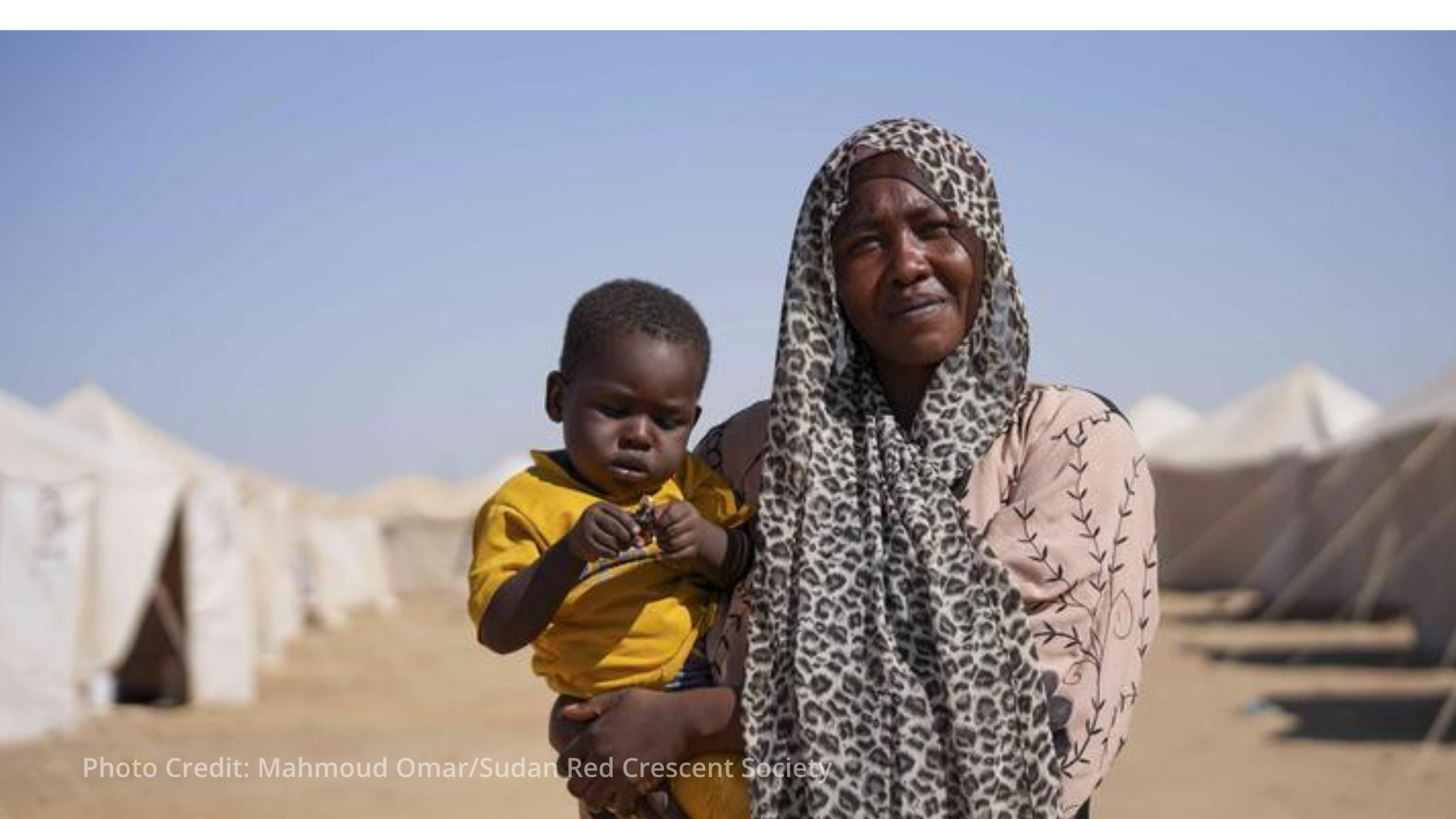
The conflict has shifted repeatedly across Sudan — from Khartoum to Darfur and the Kordofan states — driving wave after wave of displacement. Millions have fled their homes, while growing numbers are now returning to devastated communities stripped of water, healthcare, and schools. Many families, often women alone with their children, have been forced to move multiple times over three years. For returnees, the situation is stark: homes are destroyed, infrastructure is gone, and basic services are severely diminished or entirely absent. More than 4.5 million people have also fled to neighboring countries, deepening pressure on already fragile host communities.
The IFRC and the Sudanese Red Crescent Society (SRCS) are adjusting operations to serve displaced people, returnees, and host communities at the same time. Flexible cash assistance has become a central tool, enabling families to address their most urgent needs. The response also targets emergency health services, including mental health and mobile clinics, water and sanitation support, and immediate relief supplies. Expanding and maintaining this approach is considered critical to prevent further deterioration of living conditions. The IFRC is calling for increased, flexible funding that can be redirected quickly as conditions shift.
Thierry Balloy, IFRC Head of Delegation in Sudan, underscored the scale of the challenge.
“The needs are immense and changing every day,” he said. “Many families, mostly women alone with their children, have fled multiple times over the past three years. Today, we see people returning to areas where basic services no longer exist — no water, no healthcare, no schools. We call on the international community to show solidarity and support the humanitarian response. We cannot leave affected communities in Sudan to face this crisis alone.”
Ahmed Altayeb Suliman, Secretary General of the SRCS, added that cash assistance “allows families to make impossible choices — whether to feed their children, access healthcare, or restart their lives,” warning that “Sudan cannot be forgotten.” The humanitarian response remains critically underfunded, and the IFRC stresses that sustained international attention is urgently needed. Without it, millions of people will continue to face deepening needs both within Sudan and across the region. The organization is calling on the international community to step up support without delay.