
Add us as your preferred source on Google to see more of our content in Search.
 Add to Preferred Sources
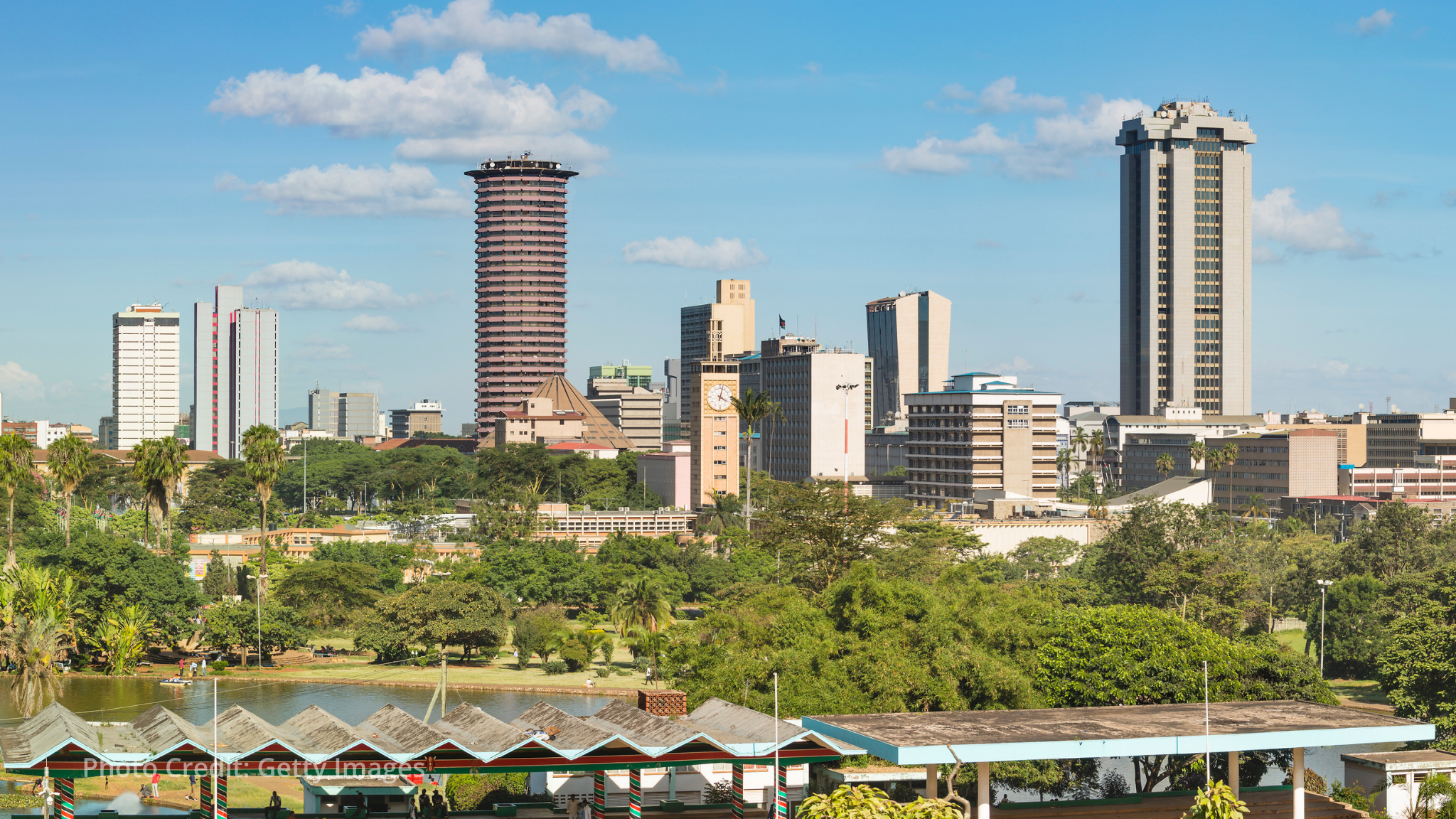
The Government of Kenya, the UN Environment Programme (UNEP), and UN-Habitat launched a US$5.2 million project on April 13, 2026, in Nairobi to help transform the city into a model for low-carbon, climate-resilient, and nature-positive urban development, according to a press release by UNEP. Funded by a Global Environment Facility (GEF) grant, the initiative is backed by up to US$40 million in future government investment, alongside US$2 million in in-kind support and technical assistance from partners. The project aims to demonstrate how rapidly growing cities can reduce emissions, restore ecosystems, and improve quality of life through integrated planning and investment.
The five-year initiative, titled Supporting the shift towards Integrated, Low-Carbon and Nature-Positive Neighborhoods in Nairobi, will pilot green neighbourhood approaches in Kamukunji, targeting improved living conditions for more than 85,000 residents while reducing greenhouse gas emissions and restoring degraded ecosystems along the Nairobi River corridor. The project will be led by the Nairobi City County Government, the State Department for Housing and Urban Development, the Nairobi Rivers Commission, and the Ministry of Environment, Climate Change and Forestry. It was launched during the Global Forum for the GEF Integrated Programs in Nairobi. The project is part of the GEF Sustainable Cities Integrated Program (SCIP), a global initiative working with more than 50 cities in over 20 countries. The Global Platform for Sustainable Cities (GPSC), led by the World Bank Group, serves as the knowledge and coordination arm of SCIP, bringing together partners including UNEP, WRI, C40 Cities, and ICLEI.
In Kamukunji, community-led demonstration interventions will showcase practical solutions, including climate-resilient infrastructure, green public spaces, ecosystem restoration, renewable energy, sustainable mobility, and improved waste and resource management systems. The initiative also focuses on strengthening policy and institutional frameworks, enhancing technical capacity, and developing digital planning tools and design guidelines. A strong emphasis will be placed on mobilizing finance to scale impact, with the project identifying investment opportunities, engaging public and private partners, and developing incentive frameworks.
“Cities account for nearly 70 per cent of global greenhouse gas emissions, but they also hold the key to climate solutions,” said Inger Andersen, Executive Director of UNEP. “This initiative shows how integrated, neighbourhood-level action can deliver cleaner air, restored ecosystems and better lives for urban residents while accelerating the transition to a low-carbon future.”
“This initiative reflects the GEF’s commitment to supporting cities as critical drivers of global environmental solutions,” said Claude Gascon, the GEF’s Interim CEO and Director of Strategy and Operations. “By combining catalytic financing with integrated planning approaches, we are helping to unlock investments that deliver lasting benefits for nature and communities in rapidly growing urban areas.”
Anacláudia Rossbach, Executive Director of UN-Habitat, noted that by 2050, two-thirds of the world’s population will live in cities, making them critical to achieving global climate and sustainability goals. Hon. Alice Wahome, Cabinet Secretary for the Ministry of Lands, Public Works, Housing and Urban Development of Kenya, stated that by strengthening planning systems, unlocking innovative financing and investment, Kenya is “building cities that are more inclusive, resilient and future-ready, with particular focus on the urban poor.” The project responds to mounting pressure on Nairobi’s infrastructure, natural resources, and essential services driven by rapid urbanization.
The initiative is designed as an integrated model for sustainable urban development that can be replicated across other cities in Kenya and the region. It promotes neighbourhood-level planning that integrates climate mitigation, ecosystem restoration, and inclusive urban design, supported by innovative financing mechanisms. The project will identify investment opportunities and develop incentive frameworks to replicate integrated green neighbourhoods across Nairobi and other Kenyan cities. Implemented by UNEP and executed by UN-Habitat, the project demonstrates a whole-of-government approach for sustainable urban transformation. Its outcomes are intended to contribute to global efforts on climate change, biodiversity loss, pollution, and urban vulnerability.