
Add us as your preferred source on Google to see more of our content in Search.
 Add to Preferred Sources
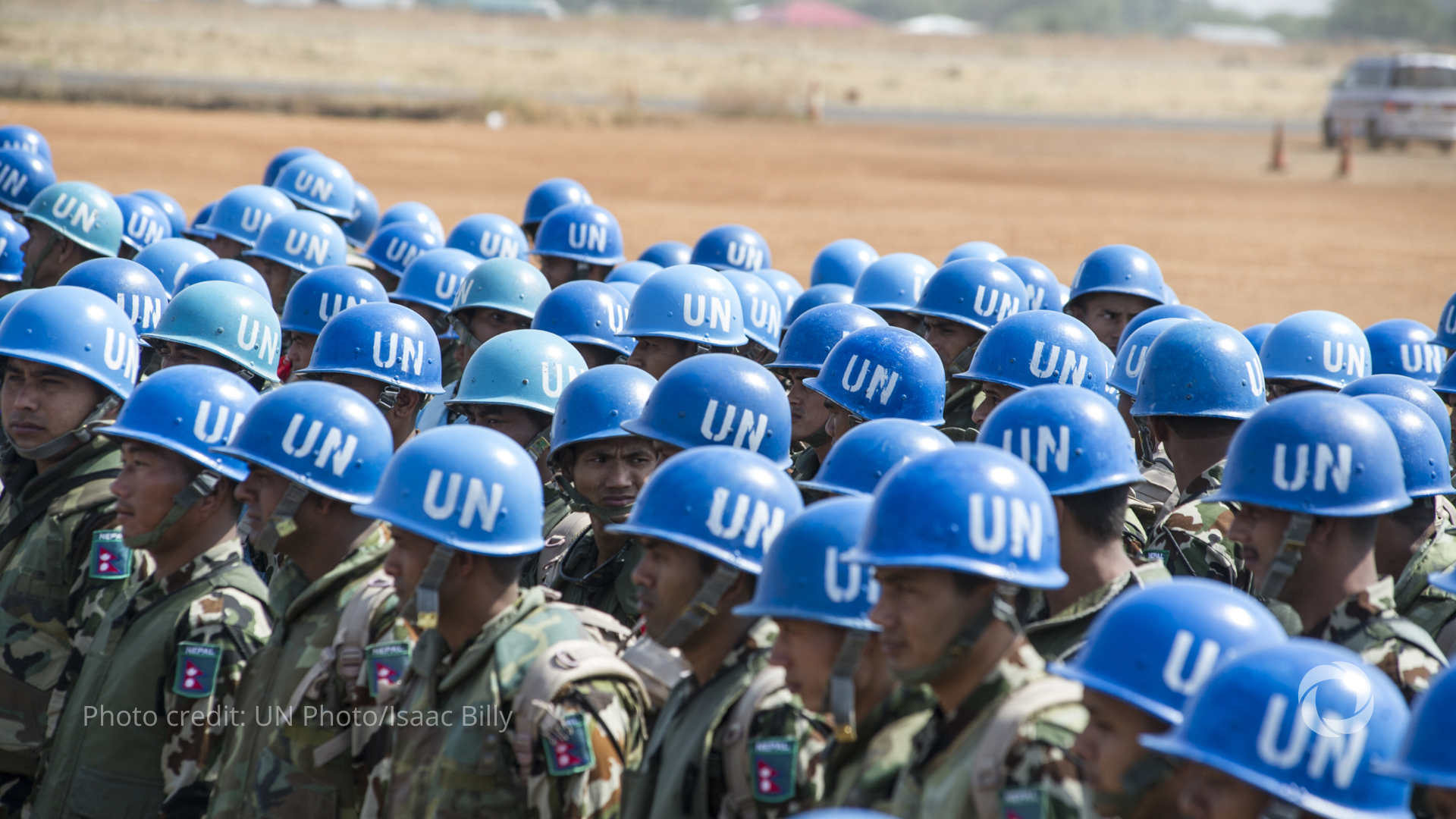
UN peacekeeping operations are under growing strain as financial shortfalls and evolving security threats test their ability to protect civilians in conflict zones, senior UN officials warned in a Security Council briefing on April 16, 2026, according to a press release by UN News. Headquarters and field officials cautioned that financial constraints, evolving conflict dynamics, and rising operational risks are challenging missions’ capacity to protect civilians and sustain fragile gains. The warnings came as peacekeepers continue operations across volatile environments, from election support in the Central African Republic to patrols in the disputed Abyei region.
Peacekeeping missions have faced significant financial challenges over the past year, prompting contingency measures that are already affecting performance on the ground. The closure of bases and reduced air support have weakened situational awareness and early warning systems, creating blind spots, limiting proactive intervention, and timely deployment to hotspots. Jean-Pierre Lacroix, Under-Secretary-General for peace operations, urged Member States to pay their assessed contributions in full and on time. He stressed that predictable resources are essential for missions to operate effectively.
In the Central African Republic, MINUSCA peacekeepers helped support a period of relative stability following the December 2025 elections, which were conducted largely peacefully. However, Lieutenant General Humphrey Nyone, Force Commander of MINUSCA, cautioned that the situation remains uneven and fragile. Armed groups continue to carry out attacks in the northeast and southeast, including abductions and serious human rights violations. Spillover from the conflict in neighboring Sudan has added further pressure, with cross-border movements of armed elements and displaced civilians straining vulnerable communities. Funding shortfalls are also hampering MINUSCA’s ability to respond effectively.
In Abyei, the oil-rich disputed area straddling Sudan and South Sudan, Major General Ganesh Kumar Shrestha, Force Commander of UNISFA, described stability there as neither automatic nor self-sustaining. Drone warfare linked to the Sudan conflict has caused UN casualties and forced UNISFA to abandon key positions, including a logistics base. While missions are employing new technologies such as drones and satellite imagery, Lacroix stressed that “technology alone is not a solution.” Missions need sufficient and trained personnel, integrated planning, and sustained resources to operate. Low-level violence, intercommunal clashes, cattle raiding, and criminal activity continue to pose ongoing risks across the region.
UN officials ultimately stressed that peacekeeping effectiveness depends not only on operational improvements but on political will. Lacroix stated:
“Without sustained and unequivocal backing from this Council, our missions cannot deliver on the mandates entrusted to them, nor can they fully support the political processes at the heart of lasting peace.”
He added that the collective credibility of the United Nations depends on its ability and determination to act when civilians are in danger. Officials called on Member States to provide consistent support to ensure missions can carry out their core mandates. The calls came as peacekeepers across multiple regions continue to operate under increasingly difficult and resource-constrained conditions.