
Add us as your preferred source on Google to see more of our content in Search.
 Add to Preferred Sources
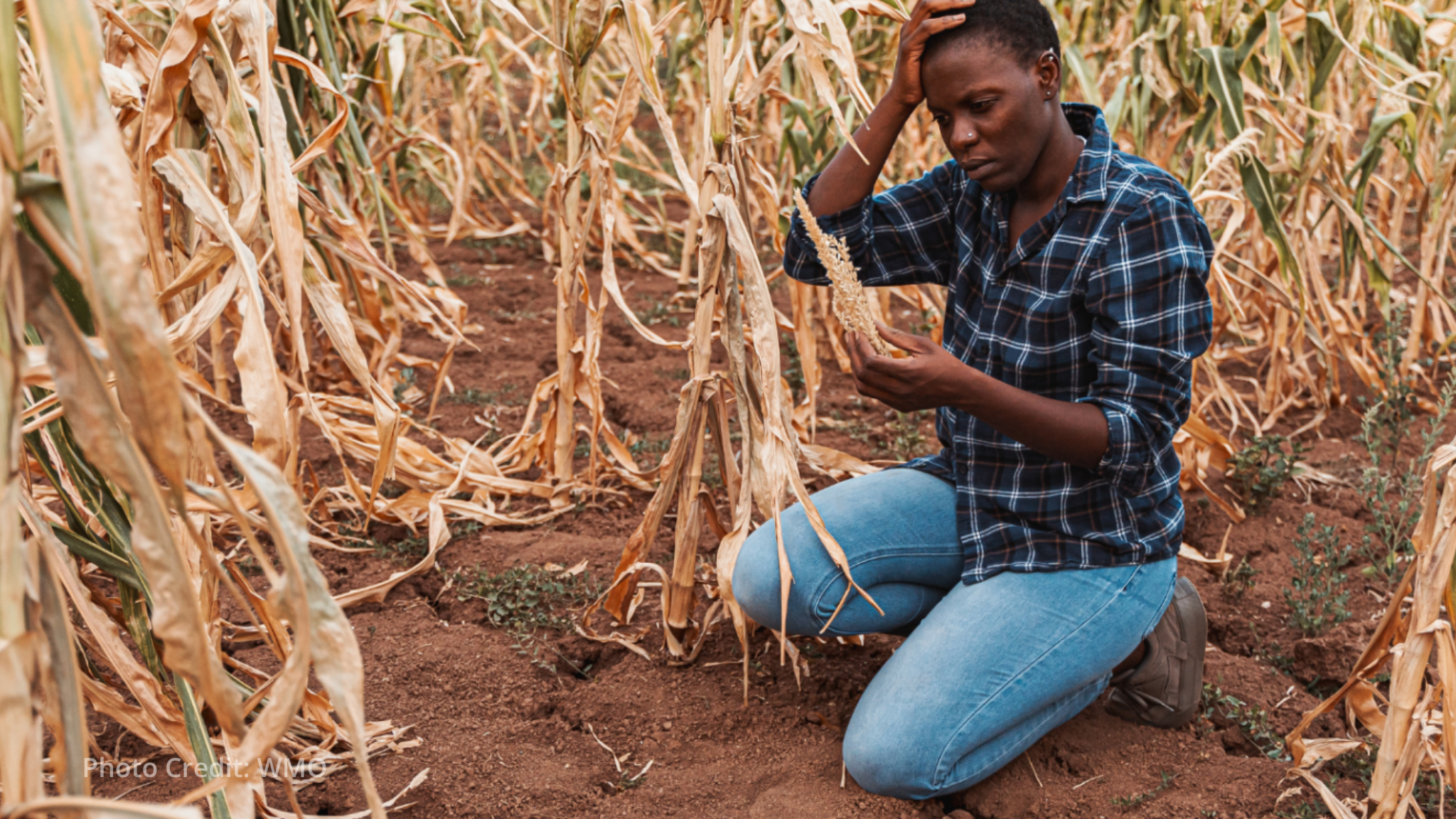
Extreme heat events are accelerating in frequency, intensity, and duration — and the consequences for global food production are growing harder to ignore, according to a new joint report by the Food and Agriculture Organization (FAO) and the World Meteorological Organization (WMO), released for Earth Day on April 22. The report, titled “Extreme heat and agriculture,” warns that rising temperatures now threaten the livelihoods, health, and labour productivity of over a billion people, with agricultural workers and food systems bearing the heaviest burden. FAO Director-General Qu Dongyu described extreme heat as “a major risk multiplier, exerting mounting pressure on crops, livestock, fisheries and forests, and on the communities and economies that depend upon them.”
The scale of the damage is already visible across every link in the food chain. For most major crops, yield declines begin above 30°C, and livestock stress kicks in at just 25°C — even lower for chickens and pigs, which cannot sweat to cool themselves. In 2025, more than 90% of the global ocean experienced at least one marine heatwave, causing fish to suffer cardiac failure as dissolved oxygen levels dropped. In parts of South Asia, tropical Sub-Saharan Africa, and Central and South America, the number of days too hot to work outdoors could climb to 250 per year — effectively gutting the agricultural labour force for much of the calendar. WMO Secretary-General Celeste Saulo said extreme heat “acts as a compounding risk factor that magnifies existing weaknesses across agricultural systems.”
Beyond direct damage, extreme heat drives flash droughts, wildfires, and the spread of pests and diseases, making it a threat multiplier rather than an isolated hazard. The report stresses that adaptation is possible — through selective breeding, adjusted planting windows, crop switching, and better-managed land practices — but only if supported by reliable early warning systems and climate services that give farmers the information they need in time to act. Access to financial tools, including insurance, cash transfers, and shock-responsive social protection, is equally critical to making adaptation measures stick on the ground.
The report’s core message is a call to action that goes beyond the farm gate. Protecting food security in a hotter world, it argues, will require not just on-farm resilience but international solidarity, risk-sharing mechanisms, and a decisive shift away from high-emission energy systems. Without that broader political commitment, the adaptation measures available to individual farmers and governments will be perpetually outpaced by the accelerating heat itself.