
Add us as your preferred source on Google to see more of our content in Search.
 Add to Preferred Sources
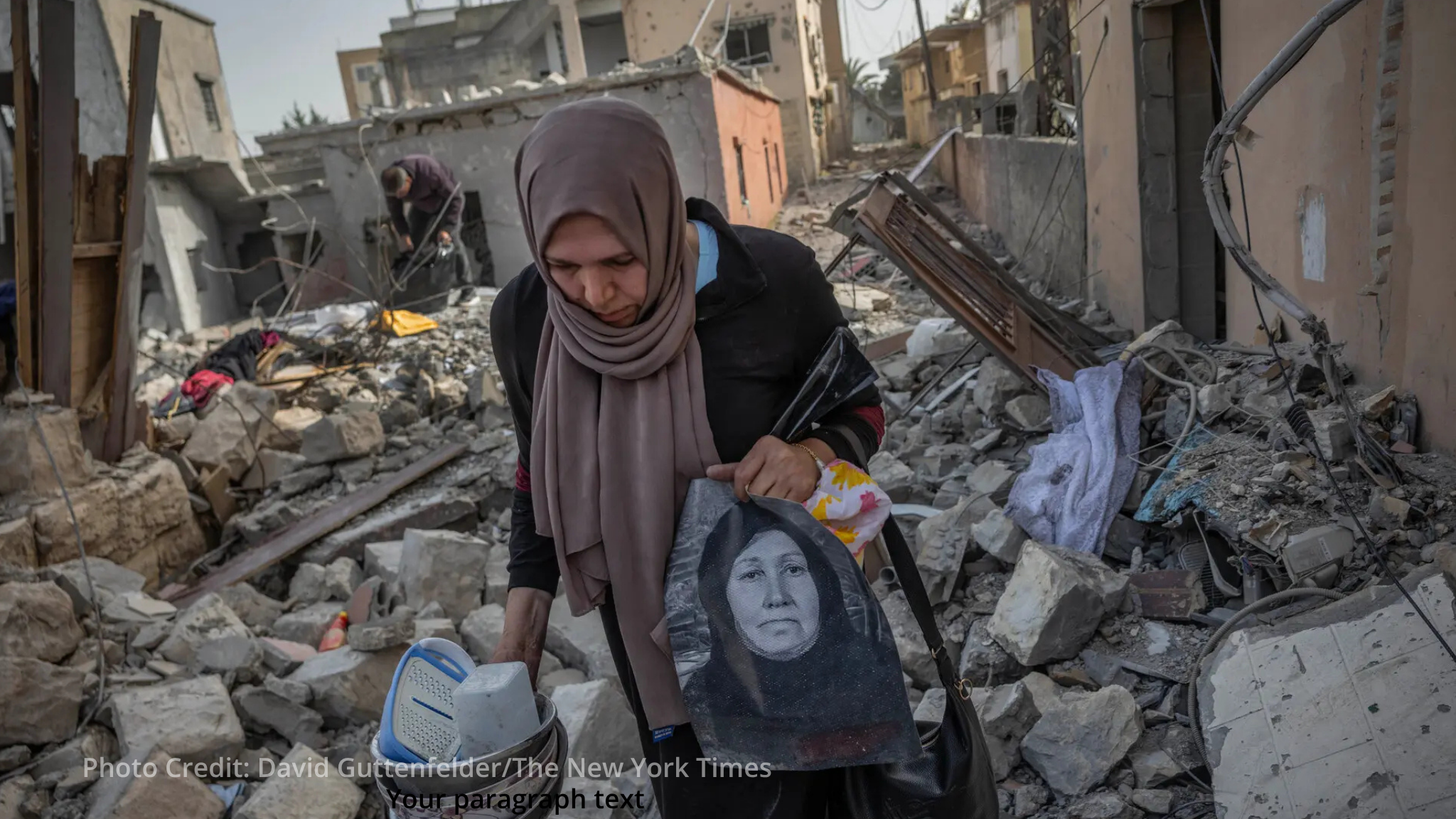
A US-brokered ceasefire between Israel and Lebanon entered into effect on April 16, 2026, offering a pause to 46 days of violence that killed more than 2,196 people, injured over 7,000, and displaced more than one million, according to a statement by Norwegian Refugee Council (NRC) Secretary General Jan Egeland. Roads across Lebanon quickly filled with families trying to return home — a sign, Egeland said, of “how deeply people want this war to end.” The ceasefire entered effect for an initial period of ten days, and NRC is calling on all parties to commit to making it permanent.
The relief is real, but so are the warning signs. Reports of violations by the Israeli army emerged almost immediately, and Israel also issued warnings against civilians returning to areas south of the Litani River — home to hundreds of thousands of people. Egeland said this cannot become a repeat of the ineffective 2024 ceasefire, which was undermined by countless violations. “Civilians need more than a temporary reduction in violence while obstacles to return remain in place,” he said. The humanitarian situation remains acute: Lebanon’s flash appeal requires $308 million to support one million affected people, but as of April 17, only $73 million — less than 24% — has been funded.
For the ceasefire to mean anything to the people of Lebanon, NRC says it must go beyond a pause in fighting. It must ensure real protection of civilians and civilian infrastructure, create clear and safe conditions for return, and be matched by a significant increase in international humanitarian support. People must not be blocked from going home — whether by continued military presence, ongoing violations, or destruction that has made entire areas uninhabitable. NRC is currently providing shelter, water and sanitation, education, legal counselling, and essential household items to thousands of displaced people across Lebanon.
The stakes are high and the window is narrow. With the ceasefire holding on paper but already showing cracks on the ground, the coming days will be critical. Egeland’s message is unambiguous:
“The people of Lebanon do not need another fragile pause. They need a permanent ceasefire.”