

Add us as your preferred source on Google to see more of our content in Search.
 Add to Preferred Sources
Key reasons to read this article
- Discover why the Nepali government recently issued a rare public apology for centuries of systemic oppression.
- Explore the paradox of why systemic violence and “untouchability” persist in Nepal despite having been constitutionally criminalized for 15 years.
- Learn how caste-based bias infiltrates every level of modern society, from urban housing markets to the highest levels of elected officials.
- Understand how Nepal’s struggle mirrors the massive regional human rights crisis involving millions of people living in India, Pakistan and Bangladesh.
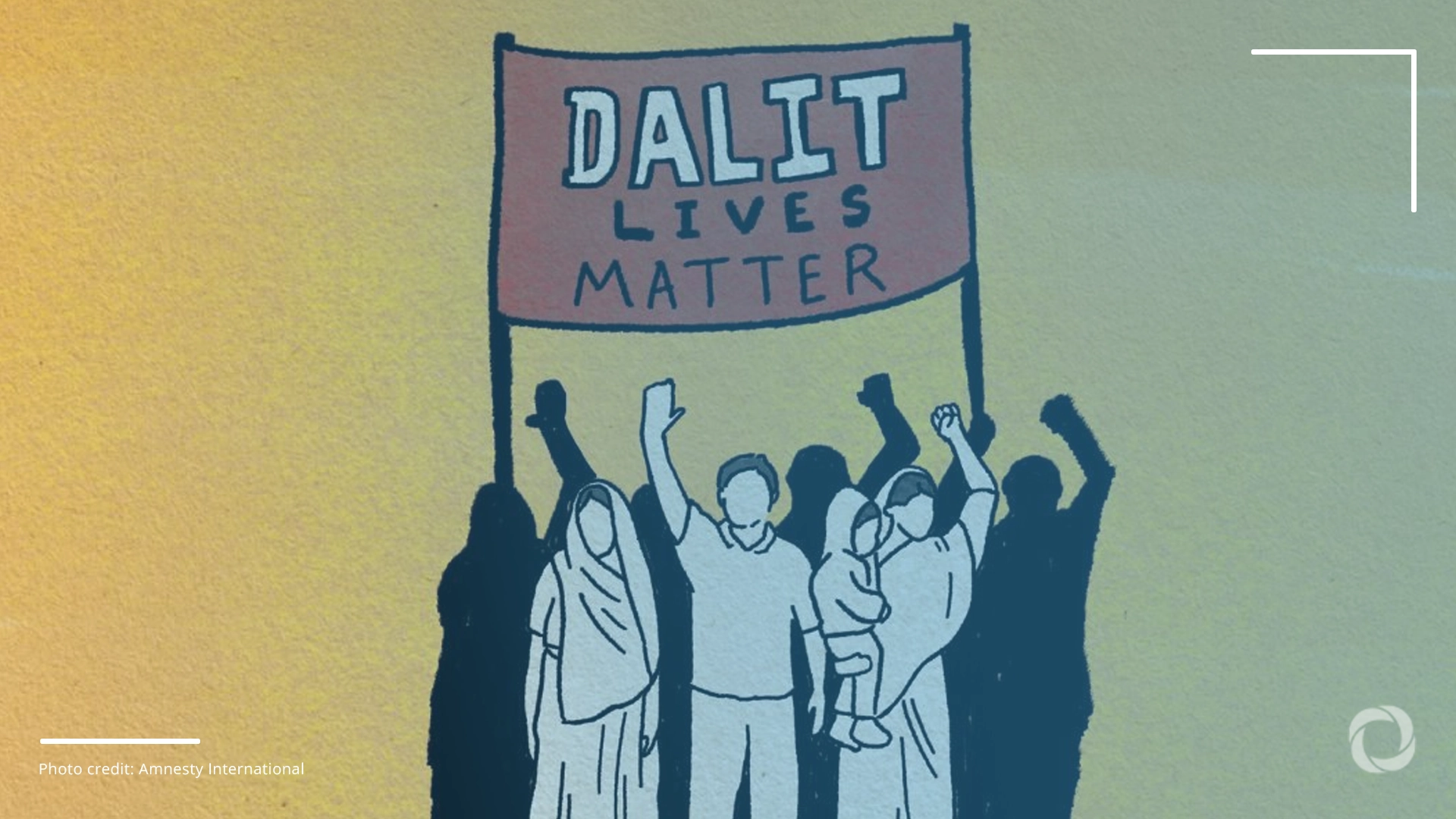
Nepal’s government issued a historic public apology to Dalits and other historically oppressed communities in April 2026, acknowledging centuries of systemic injustice rooted in caste-based discrimination. “No Nepali shall ever have to bow down again in the name of caste. I apologize on behalf of my entire party, the Prime Minister, and the government,” Rabi Lamichhane, the Chairman of the ruling party, said during the first meeting of the newly elected parliament, marking a rare moment of state recognition of entrenched inequality.
Why is the apology only being offered now?
For many, the apology raises a pressing question: Why now, nearly 15 years after caste discrimination against the country’s approximately 4 million Dalits was officially outlawed?
While this remains an unanswered question, analysts point to a combination of political and social pressures. This includes growing mobilization by Dalit rights groups, sustained media coverage and repeated calls from the international community to uphold human rights obligations. The ruling party’s stated commitment to governance reforms, particularly its pledge to end impunity for crimes against Dalits, has also added to the pressure for action.
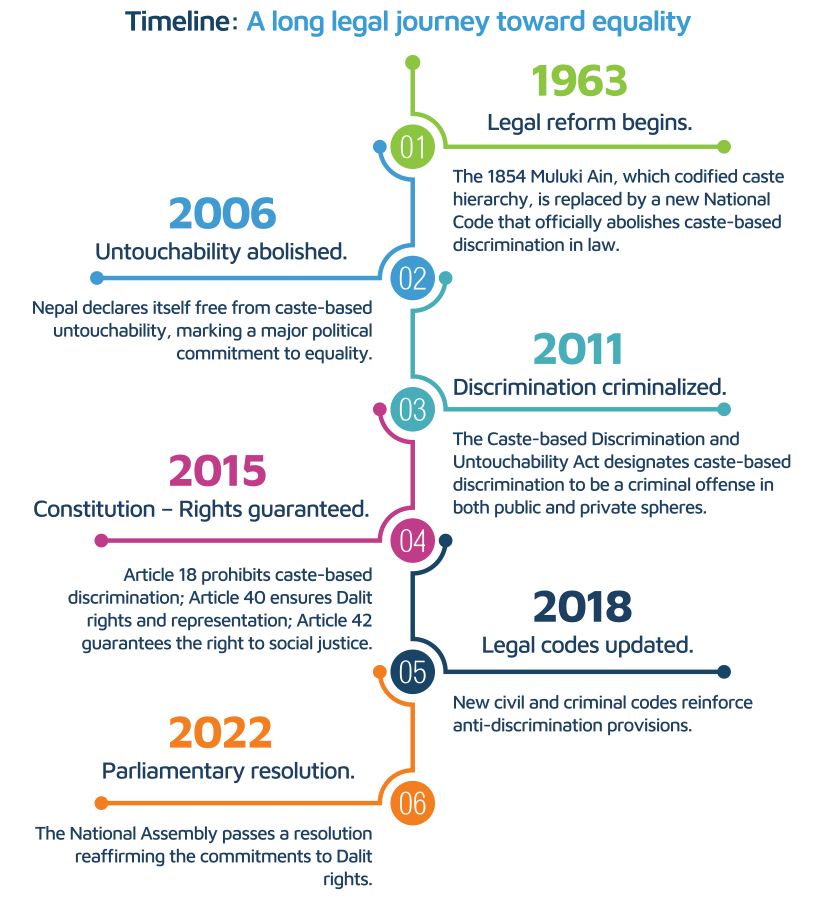
Centuries of exclusion still shaping lives today
Nepal’s Dalit community, which today comprises nearly 13.4% of the total population, has faced systemic oppression and violence for centuries under a rigid caste hierarchy that assigned social status by birth. Historically labelled as “untouchable”, Dalits were denied access to education, property, and economic opportunities, pushing the community to the margins of social, cultural, political, and economic life.
Despite the progress made over the last decades, a wide education gap remains for Dalits in Nepal. Although the literacy rate has increased from 33.8% in 2001 to 67.4% in 2021, it still trails behind the national average of 76.2%.
Dalit women face a triple burden of caste, gender, and economic marginalization, often making them more vulnerable to violence and exploitation. Inter-caste relationships frequently trigger violent, sometimes fatal attacks, known as “honor killings”.
Discrimination in housing, employment, and public services persist even in Kathmandu, the federal capital of Nepal. Dalits, including elected officials, still face entrenched bias. Lawmaker Rima Bishwokarma, for instance, said she had been subjected to caste-based discrimination while searching for an apartment in Kathmandu. “A landlord initially agreed but hesitated after asking my name and caste, ultimately backing away,” she recalled.
The protests in the capital on 19 April, sparked by cases of caste-based housing discrimination, underscore how deeply embedded these issues remain in everyday life, even in urban centers.
International scrutiny and pressure for change
The government’s apology comes amid domestic frustration and international pressure. The United Nations and global human rights organizations have repeatedly warned of the systemic discrimination and high levels of impunity in Nepal.
The UN’s Special Rapporteur on minority issues, Nicolas Levrat, noted in his 2026 report that “Dalits remain among the most marginalized communities in Nepal”, highlighting persistent social exclusion and the weak enforcement of existing laws, with many cases of caste-based violence failing to result in convictions.
Apology welcomed, but seen as insufficient
While Dalit rights activists and lawmakers have welcomed the state’s public apology, many argue that symbolism must translate into structural change.
“A formal apology from the state acknowledging this history is a meaningful and powerful step. However, an apology alone is not enough,” lawmaker Prakash Chandra Pariyar told DevelopmentAid. He emphasized the need for stronger, more punitive, and truly victim-centered legislation and enforcement.
Dalit rights advocate and writer JB Biswokarma echoed this concern in a conversation with DevelopmentAid. He explained that without justice and reparations that address the deep, intergenerational social, economic, cultural, and psychological harm inflicted on Dalits, the apology risks becoming merely symbolic.
Rup Sunar, Chairperson of not-for-profit NGO Dignity Initiative, welcomed the move and called for proportional and effective representation of Dalits across all state institutions, the strict enforcement of laws against caste-based discrimination, alongside structural, legal, and economic measures, to ensure that the apology will be truly transformative.
A wider South Asian pattern of exclusion
Nepal’s challenge is not unique. Across South Asia, including India, Pakistan and Bangladesh, caste-based discrimination persists in different forms, affecting millions and attracting international attention.
In India, over 50,000 caste-based crimes were registered in 2023. In Pakistan, tens of thousands of Dalit families still work in conditions described as “modern-day slavery”. In Bangladesh, 39% of the country’s about 5 million Dalits face caste-based violence. All these countries formally prohibit discrimination on the basis of caste, and yet it is still standing.
For now, the Nepal government’s apology represents a significant acknowledgement of injustice, with experts highlighting that it is time for the country to act in line with its domestic and international legal obligations to end impunity for discriminatory acts against the Dalit and oppressed communities and to uphold social justice.