
Add us as your preferred source on Google to see more of our content in Search.
 Add to Preferred Sources
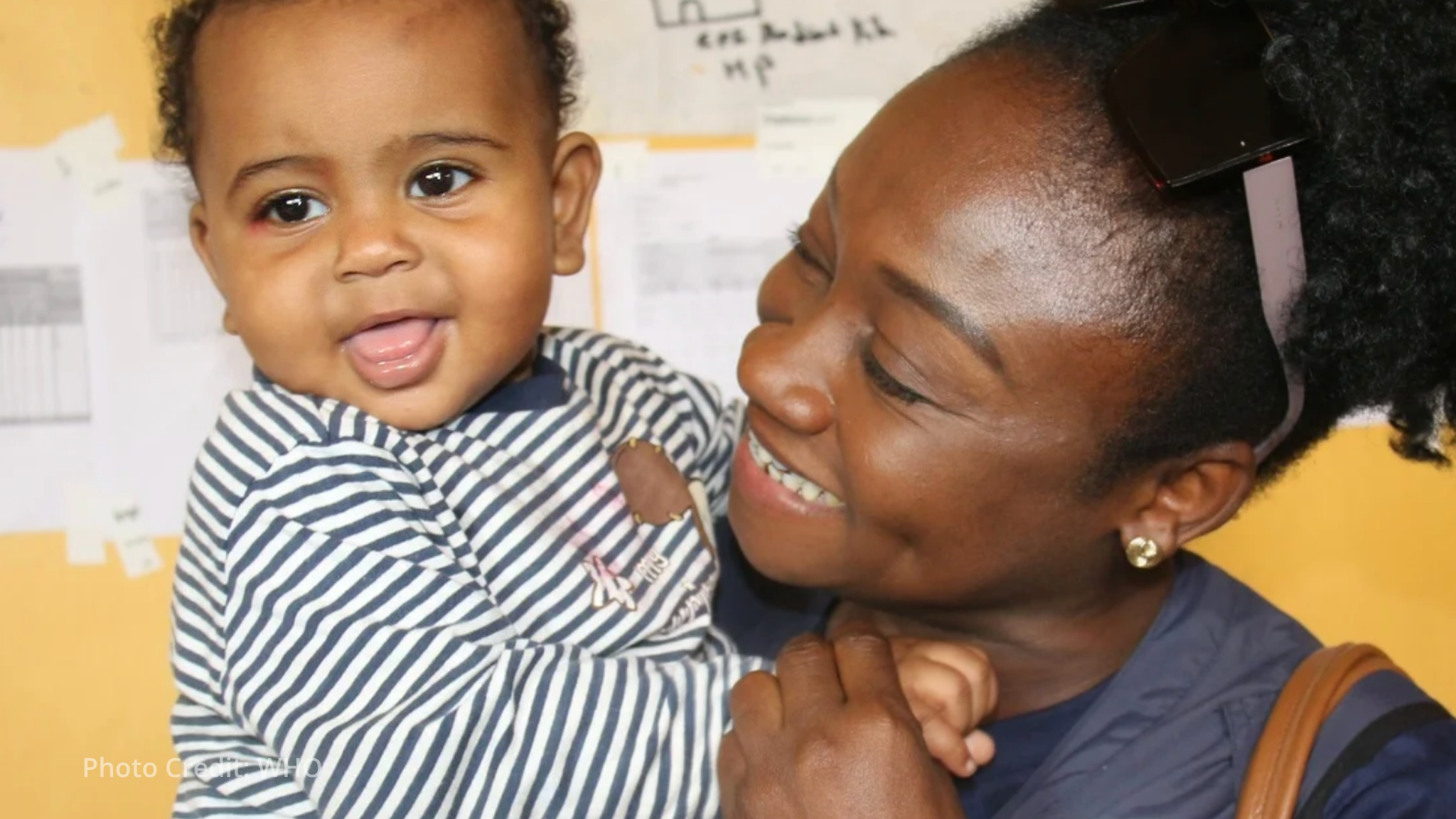
For the first time in history, newborns and young infants with malaria have a treatment specifically made for them, after the World Health Organization (WHO) prequalified artemether-lumefantrine for babies weighing between two and five kilograms, according to a WHO announcement timed to World Malaria Day on April 25. Until now, the youngest malaria patients have been treated with formulations designed for older children, increasing the risk of dosing errors, side effects, and toxicity. WHO prequalification means the medicine meets international standards of quality, safety, and efficacy, and will open the door to public sector procurement for some 30 million babies born each year in malaria-endemic areas of Africa.
The same announcement included the prequalification of three new rapid diagnostic tests (RDTs) designed to tackle a growing and deadly blind spot in malaria detection. The most widely used malaria tests work by detecting a protein called HRP2 — but in 46 countries, some malaria parasite strains have lost the gene that produces this protein, making them invisible to standard tests. In parts of the Horn of Africa, up to 80% of cases were being missed, leading to delayed treatment, severe illness, and death. The new tests target a different parasite protein — pf-LDH — that cannot be easily shed, and WHO now recommends countries switch to these alternatives when more than 5% of cases are being missed due to the gene deletion.
The announcements come as global malaria progress shows worrying signs of stalling. There were an estimated 282 million cases and 610,000 deaths in 2024 — an increase from 2023 — despite 2.3 billion infections prevented and 14 million lives saved since 2000. Drug resistance, insecticide resistance, diagnostic failures, and sharp cuts in international development assistance are all threatening to reverse hard-won gains. WHO Director-General Dr. Tedros Adhanom Ghebreyesus said “ending malaria in our lifetime is no longer a dream — it is a real possibility, but only with sustained political and financial commitment.”
Twenty-five countries are now rolling out malaria vaccines, and next-generation mosquito nets account for 84% of all new nets distributed — signs that the tools to end malaria exist. What the WHO is warning against is the temptation to cut funding precisely when those tools are beginning to work. The infant treatment and new diagnostic tests are not just medical milestones; they are reminders that targeted innovation, when matched with political will and resources, can close gaps that have cost children’s lives for generations.