
Add us as your preferred source on Google to see more of our content in Search.
 Add to Preferred Sources
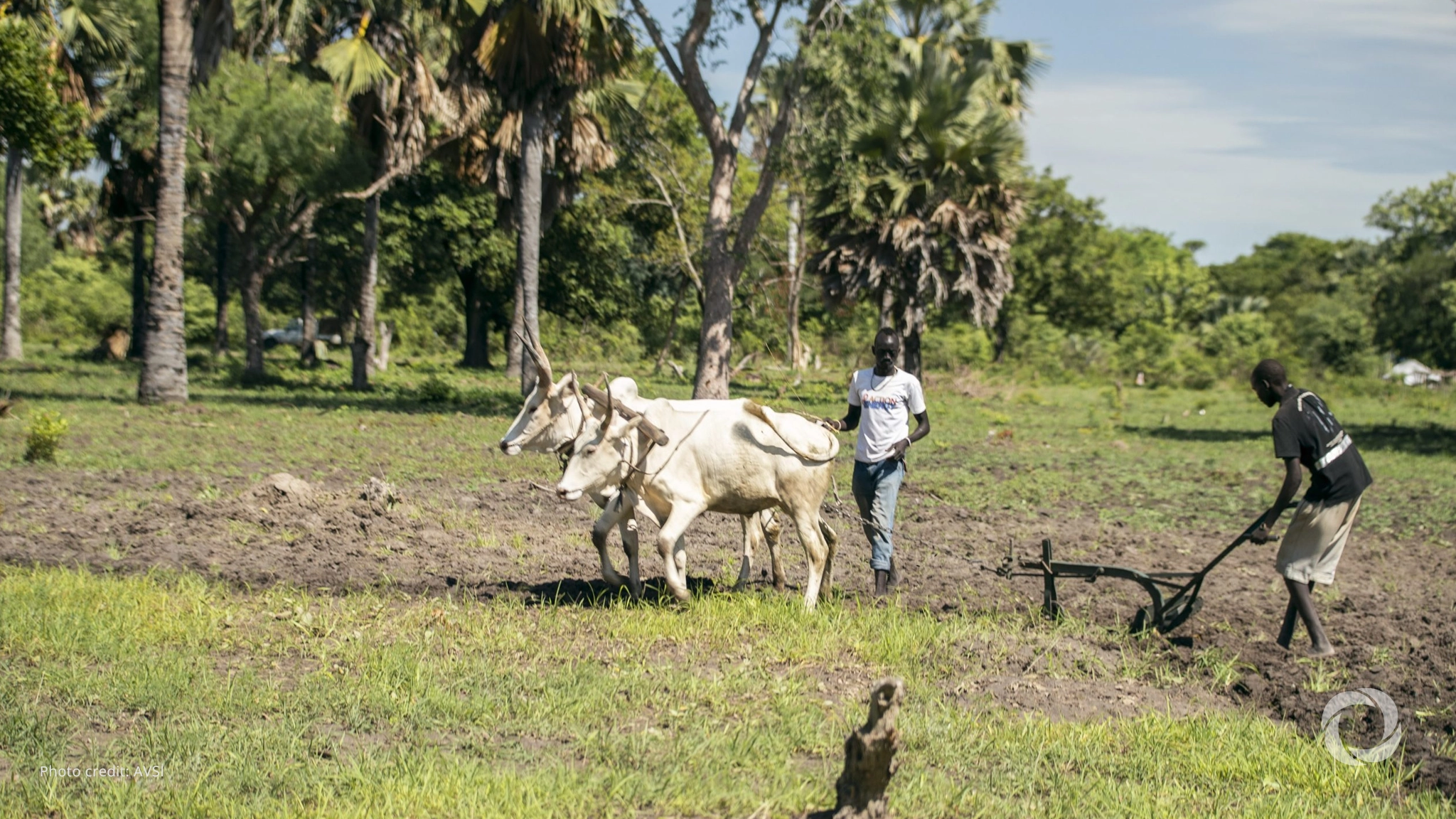
The African Development Bank Group has approved an $87 million grant to strengthen food security and rural livelihoods in Sudan, responding to a deepening food crisis driven by conflict, climate shocks, and economic disruption, according to a press release. The funding will support the Boosting Agrifood Systems Resilience Project (BOOST), approved on 22 April. BOOST has an estimated cost of roughly $100 million, with the contribution coming from the Bank’s concessional window, the African Development Fund. The initiative aims to address urgent national needs while building longer-term resilience. It targets agricultural regions critical to Sudan’s food production.
Sudan continues to face compounding pressures from armed conflict, climate volatility, and economic instability. These factors have destabilized rural communities and disrupted national food systems. Blue Nile, Sennar, and Kassala states host large numbers of displaced people. These regions remain central to the country’s agricultural output. The project is being designed around these priority geographies.
Alongside the African Development Fund contribution, the UN’s Food and Agriculture Organization, World Food Programme, UN Women, and the CGIAR’s International Maize and Wheat Improvement Center will provide in-kind contributions valued at approximately $12.3 million. BOOST seeks to increase food production and availability while opening agribusiness opportunities for women and youth. Farmers will receive improved seeds and access to climate-smart technologies. Support for storage, processing, and market access is expected to reduce post-harvest losses and raise household incomes. Women and youth will gain access to finance, skills, and digital tools to develop agribusinesses.
The project is expected to benefit more than 1.2 million people, including over 232,000 farming households, with a particular focus on women and young people. It is also projected to create tens of thousands of jobs, both directly and indirectly. The financing draws on undisbursed funds from previously cancelled operations, allowing resources to be redirected quickly to urgent national priorities. David Muthusi Mutuku, the Bank’s Country Manager for Sudan, emphasized the project’s role in rebuilding livelihoods.
“This investment will help farmers rebuild their livelihoods, support women and young people to create businesses, and strengthen the resilience of communities facing immense challenges,” he said.
Mutuku added that:
“At a time of profound hardship, this project offers a path to recovery, bringing practical support to families, reviving local economies and laying the foundation for a more secure and self-reliant future.”
The initiative is expected to help close supply gaps and reduce reliance on imports. Families will gain better access to food and more stable livelihoods. Economic recovery efforts will focus on fragile communities across the targeted states. The combined support of partners underpins the project’s integrated approach to food security in Sudan.