
Add us as your preferred source on Google to see more of our content in Search.
 Add to Preferred Sources
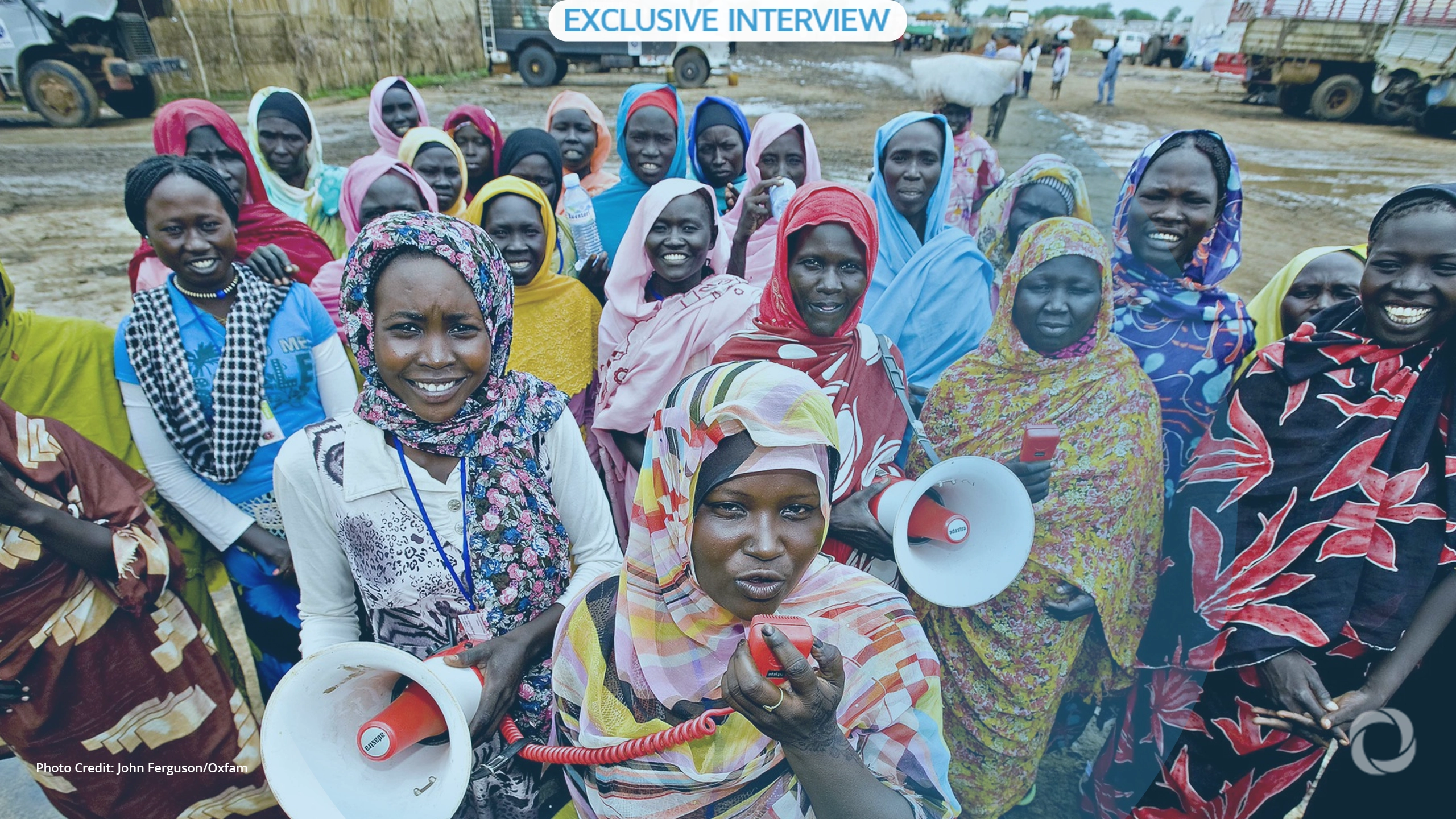
Around the world, civic space is shrinking. In many countries, civil society organizations, activists, and human rights defenders face growing restrictions, while humanitarian and development funding becomes more uncertain. As global priorities shift from humanitarian to defense issues, it is often local grassroots groups – especially women and youth-led organizations – that bear the heaviest cost.
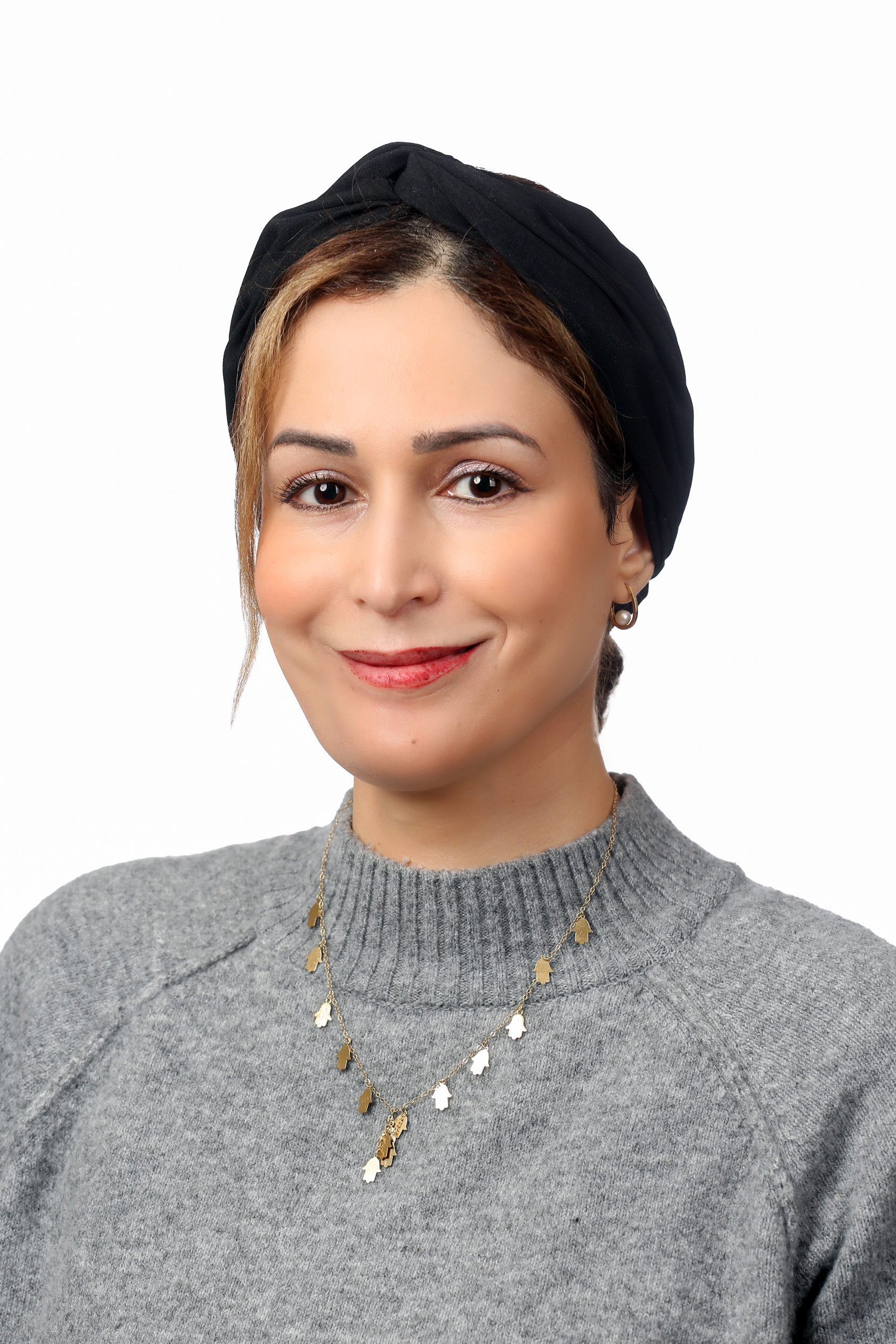
Bdour Ghousheh is a senior humanitarian professional with extensive experience across multiple crisis-affected regions. As Regional Humanitarian Programs Coordinator at Oxfam, she oversees large-scale humanitarian initiatives that place community-led responses at the core. Her work focuses on strengthening local leadership, promoting feminist approaches, and amplifying the voices of women and youth in fragile and conflict-affected contexts.
In this interview for DevelopmentAid, Bdour reflects on how civic space is narrowing, how women and young people are organizing and leading change, and what donors, governments, and international actors can do to support them more effectively – everywhere from the Middle East to other fragile and conflict-affected regions.
DevAid: Around the world, space for civic action is narrowing. From your experience, what is driving this decline, and how have global funding cuts made the challenge even harder for the communities on the ground?
Bdour Ghousheh: Across many regions today, we see civic space becoming more restricted. The Middle East and North Africa (MENA) are no exception, if not two of the most affected areas. In some contexts, new laws or political pressures make it harder for civil society organizations and activists to work freely. At the same time, humanitarian crises are becoming more complex, while global funding is becoming less predictable. This is also happening in a context where conservative and populist politics are on the rise, often reinforcing patriarchal norms and inequality, and supporting well-funded anti-rights movements that restrict freedom, especially for women and marginalized groups.
Funding is shrinking all over the world because of militarization and the shifting priorities in multilateral cooperation. When funding decreases, the most affected are usually local grassroots groups — those closest to communities. These organizations not only implement projects, they create spaces where people can organize, express their needs, and defend their rights. Local and grassroots organizations are the incubators for most marginalized groups, especially women and youth.
Through our work at Oxfam, we see every day how important supporting these organizations is. In these contexts, access to safe water, protection services, or community support is not only about assistance, it is about dignity, safety, and survival. Even small interventions can have a huge impact on people’s lives.
However, women’s suffering from the closure of civic space in the MENA region is overshadowed and burdened by the rise of the anti-rights movement. This is a double burden that raises multiple challenges, and this is not happening by accident. There is a rise in conservative and populist narratives, promoted by irresponsible politicians, linked to patriarchy and inequality. These forces support well-funded anti-rights movements that reinforce harmful social norms and make it harder for women to claim their rights.
Online spaces are also becoming increasingly restricted and violent, with gender specific surveillance and various forms of harassment.
DevAid: Despite these pressures, we continue to see strong voices rising from local movements. What stands out to you most about the way people are organizing and pushing back today?
Bdour Ghousheh: What inspires me most is the resilience and creativity of the communities themselves. Even when resources are limited and civic space is shrinking, people continue to find ways to mobilize, organize, and support each other.
For example, in northern rural Aleppo in Syria, communities have formed a local committee that includes both men and women to identify priorities such as repairing water networks, improving sanitation, and addressing public health concerns. Members receive training to strengthen their ability to collect information, engage the community, and advocate for solutions.
This kind of local leadership is very powerful. It shows that communities are not just the beneficiaries of aid, they are active actors shaping their own recovery.
DevAid: When aid priorities shift, or political will fades, what risks do human rights defenders and grassroots organizations face, and how can those risks be reduced?
Bdour Ghousheh: Traditionally, civic space has not been seen as a dangerous place for women and girls. But in fact, it is. In the Middle East and North Africa, women activists and human rights defenders often pay the price with their lives. They have to endure defamation, isolation, and the intentional neglect of their voice and agency. When funding becomes uncertain, grassroots organizations and human rights defenders become more vulnerable. They may struggle to sustain their work, and sometimes they also face personal or social risks for defending rights or supporting vulnerable groups.
To reduce these risks, we need more flexible core funding and longer-term support from donors and international actors. Trust in local leadership is essential. These groups can better determine their needs and priorities and act accordingly.
In our work across Syria, Lebanon, and Yemen, we see that when communities themselves are involved in identifying needs and shaping solutions, the impact is stronger and more sustainable. Supporting local organizations is, therefore, not only an operational choice, it is also a way to protect and reopen civic space.
DevAid: Oxfam works in so many different contexts. What lessons have you learned about building real partnerships that actually put local actors, especially women and youth, in the lead?
Bdour Ghousheh: One important lesson is that real partnership requires mutual trust and humility. Communities already have knowledge, experience, and leadership. Our role is to support and strengthen that leadership.
Oxfam works with a localized feminist leadership approach, which means sharing power, listening deeply, and creating spaces for voices that are often excluded.
For example, in Lebanon, we work with women and adolescent girls in displacement settings. Through awareness sessions on water, hygiene, and protection, girls not only gain knowledge about health and safety, but also increase their confidence. They can then share this knowledge with other girls in their community, encouraging open discussions about dignity and rights.
When women and young people feel safe and supported, they naturally become leaders in their communities.
DevAid: In many countries, young people and women are driving social change in remarkable ways. What do you think helps them to remain hopeful and determined when the odds are stacked against them?
Bdour Ghousheh: For women, it is not only a fight for democracy and participation, it’s also about challenging patriarchal structures that do not even give them a place at the table.
I think much of their strength comes from their connection to their communities and their lived experiences.
Many young people and women have personally experienced conflict, displacement, or inequality. This often gives them a strong motivation to create change, not only for themselves but for future generations.
We saw this very clearly in Lebanon through our work with adolescent girls. When young women feel heard, respected, and supported, they begin to support each other as well. This creates networks of solidarity that sustain hope.
Hope in these contexts is not something abstract; it comes from collective action and mutual support.
DevAid: How does Oxfam turn that energy into long-term impact? What kind of support or space does the organization create for these groups to lead?
Bdour Ghousheh: Our role is to create spaces where communities can find solutions themselves and lead on their implementation.
This can include assisting local organizations with technical or financial support, strengthening community structures, or connecting grassroots voices to decision-making processes.
In Yemen, for example, Oxfam and local partners support community centers that provide integrated services, including psychosocial support, protection assistance, and emergency cash support. These centers are often the first place where vulnerable families seek help. Such places are easy for women to access and safe for them to seek the help they need.
One case involved a pregnant woman who faced life-threatening complications. Through the community center, she was quickly identified and received emergency support that enabled her to reach a hospital for life-saving surgery. Both she and her baby survived.
These examples show how community-based systems can save lives when they are supported properly.
DevAid: Can you share a moment or project that made you feel change is possible — something that showed what happens when youth and women take the lead?
Bdour Ghousheh: Many moments give hope, but one example that stays with me comes from Syria.
In Al-Safira, a rural area of Aleppo, years of conflict had damaged the water network. Families struggled daily to access water, sometimes spending what little income they had to buy it. One family we met had nine children and lived next to a leaking water line that flooded their home during the winter.
Through a Global Affairs Canada-funded project, the water system was rehabilitated, and the family had reliable access to safe water again.
For them, this was not just infrastructure repair. It meant fewer health risks, less financial stress, and a sense of dignity restored.
These kinds of changes remind us that humanitarian work, when carried out with communities and local partners, can transform daily lives in very tangible ways.
DevAid: What kind of commitments would you personally like to see from international summits, such as the recent Civic Summit in Canada — something that could actually shift how civic space is protected worldwide?
Bdour Ghousheh: I would hope to see stronger commitments to protect and support civil society, and women, and youth human rights defenders, and their organizations, particularly local organizations working in oppressive, conflict, and fragile contexts.
I would like to see more commitment and longer-term support through flexible funding, stronger protection for the right to organize, and greater investment in community-led initiatives.
We also need to ensure that commitments made at global forums translate into real changes for communities on the ground.

DevAid: Finally, if you could speak directly to young leaders and women advocates everywhere, what message would you give them as they continue to push for justice and equality in their communities?
Bdour Ghousheh: I would say that their voice and agency matter more than ever. They are the change they want, and they need to act locally and make sure to be heard globally.
Even when challenges feel overwhelming, their work is creating real change — sometimes in ways that are not always visible immediately.
Across the world, many communities are becoming stronger because of the courage, determination, and solidarity of young people and women leaders who make a difference every day.
And this collective effort is one of the most powerful forces we have for building a more just and inclusive future