
Add us as your preferred source on Google to see more of our content in Search.
 Add to Preferred Sources
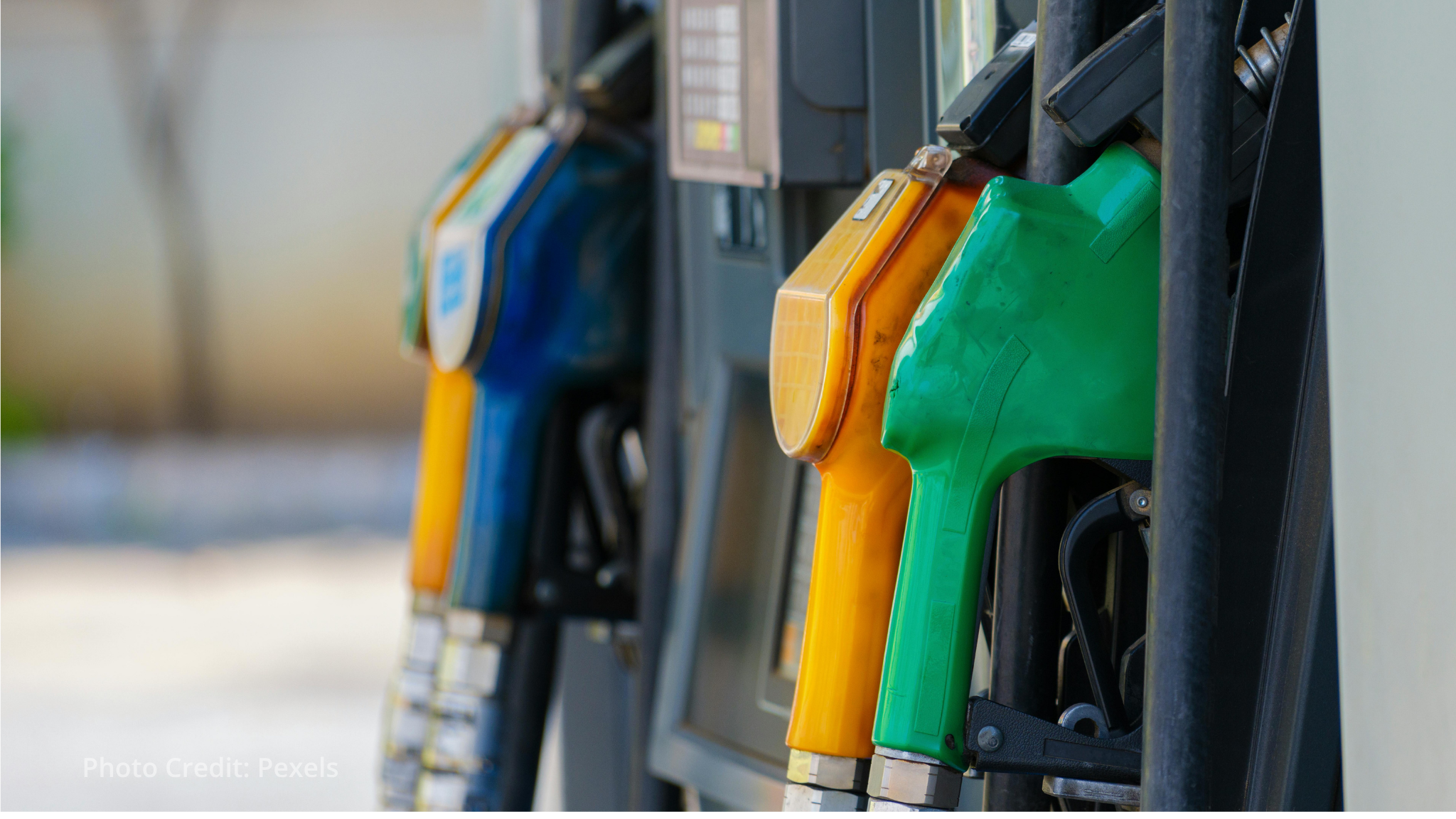
Disruptions to global energy supplies and trade corridors are driving up the cost of food, transport and essential goods worldwide, slowing economic growth and increasing pressure on vulnerable households and debt-strapped developing countries, according to a press release from United Nations (UN) News. The warnings came on 15 May 2026 during a special meeting of the UN Economic and Social Council (ECOSOC) at UN Headquarters in New York. The session focused on safeguarding energy and trade flows amid continuing volatility in global fuel markets, shipping routes and critical supply chains. Officials stressed that the crisis threatens progress toward the 2030 Agenda. They called for urgent, coordinated action to protect the most affected populations.
Adopted in 2015 by all UN Member States, the 2030 Agenda aims to end poverty, reduce inequality and protect the planet by 2030. Rising fuel and transport costs, trade disruptions and tightening financial conditions are intensifying pressures on developing countries. Those already burdened by high debt and dependent on imported food and energy are especially exposed. Households worldwide are feeling the impact through rising food prices and higher living costs. The meeting underscored the link between energy security and broader development goals.
According to UN estimates, global fuel prices are now more than double the 2025 average, while fertilizer prices could remain 15 to 20 per cent higher through the first half of 2026 if disruptions continue. ECOSOC President Lok Bahadur Thapa warned that more than 32 million additional people are at risk of being pushed into poverty globally as a result of the combined shock of rising energy prices, higher food costs and weakening economic growth. Women, children and young people are among those most affected. The strain is greatest in countries where households spend a large share of income on basic necessities. Governments’ ability to sustain investments in critical sectors is also being eroded.
UN Under-Secretary-General for Economic and Social Affairs Li Junhua outlined four priorities: keeping energy and commodity markets open and predictable; scaling up affordable financing for developing countries; investing in resilient and sustainable energy systems; and accelerating progress toward Sustainable Development Goal 7. Prime Minister Mia Mottley of Barbados illustrated the impact on small island economies, noting that Barbados imports more than 85 per cent of its energy needs, while the wider Caribbean imports more than 80 per cent of its food.
“Energy is just never energy,” she said. “It is medicine, it is food, it is learning, it is work. It is dignity in a household and sovereignty in a nation.”
She added that small size often makes shocks faster and more expensive.
Mr. Thapa warned against fragmentation and called for coordinated action involving governments, international financial institutions, development banks, the private sector and civil society. UN officials emphasized the need to accelerate investment in renewable energy, stronger infrastructure, and more resilient trade and energy networks.
“With coordinated action, sustained investment and a renewed commitment to multilateralism, we can build more resilient energy systems, secure supply chains and further promote inclusive and sustainable development,” Mr. Li said.
The meeting closed with a shared call for solidarity and shared responsibility. Delegates reaffirmed the goal of safeguarding development gains amid mounting global volatility.