
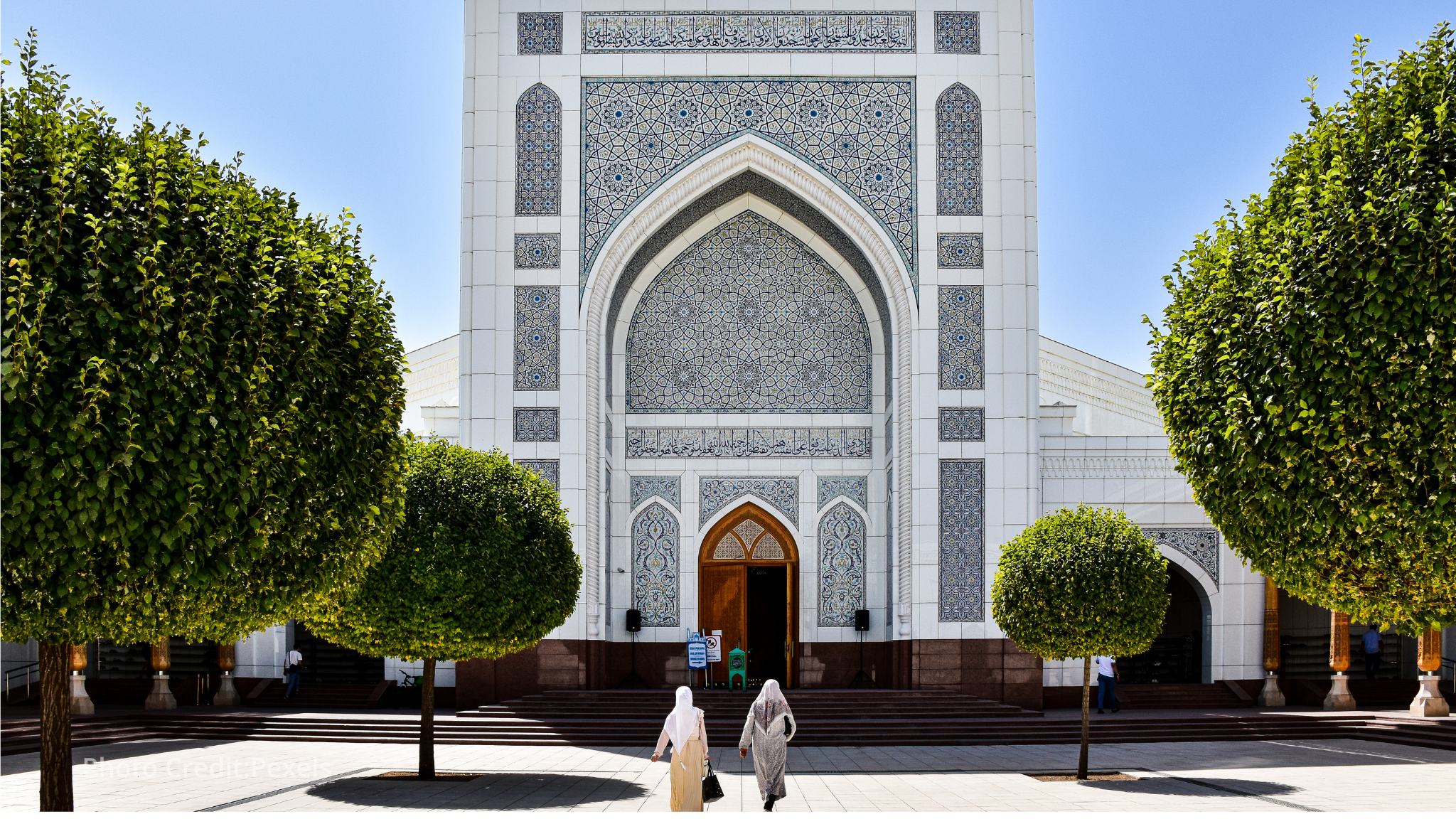
The 71st Council of the Global Environment Facility (GEF) concluded in Samarkand, Uzbekistan, on June 3, 2026, with landmark decisions to boost international environmental finance through 2030, according to a press release. Meeting alongside the Councils for the Least Developed Countries Fund and Special Climate Change Fund (LDCF/SCCF) and the Global Biodiversity Framework Fund (GBFF), the three governing bodies approved $232.5 million in new environmental financing across 24 projects and programs in 22 countries. Representatives of the GEF’s 186 participant countries also endorsed the programming directions for the $3.9 billion ninth replenishment (GEF-9). The meetings were hosted in Samarkand, where 1,900 registered participants will gather for the Eighth GEF Assembly starting June 4. The outcomes signal a powerful commitment by the global community to fund multilateral environmental action through 2030.
The approvals close the GEF-8 funding cycle with final work programs spanning the family of funds. The GEF Trust Fund backed 16 projects and programs totaling $144.3 million, expected to mobilize over $828 million in co-finance. The LDCF/SCCF approved eight projects totaling $67.7 million in climate adaptation finance for the world’s most vulnerable nations, including two co-funded with the GEF Trust Fund. The GBFF approved two projects totaling $20.5 million, with 39 percent of GBFF programming directed to Indigenous Peoples and local communities. The Council also acknowledged $200 million in smaller-sized projects approved by the GEF Interim CEO since the beginning of the year.
The GEF Trust Fund work program covers five areas: biodiversity ($60.3 million), land degradation ($29.3 million), international waters ($26.5 million), climate change ($14.3 million), and blended finance ($13.9 million). It supports activities in 19 recipient countries, including four Small Island Developing States and seven Least Developed Countries. Progress against GEF-8 goals has surpassed several targets: protected oceans reached 1.9 billion hectares against a 100 million hectare goal, and greenhouse gas emissions reductions reached 2.3 billion tons against a 1.9 billion ton goal. Cooperation improved in 59 shared water ecosystems, beating the goal of 40, while 10.1 million hectares of land and ecosystems were restored. Smaller-sized projects include support under the Stockholm Convention on Persistent Organic Pollutants and the Minamata Convention on Mercury.
“Our focus on integration was fully embedded in the GEF-8 cycle, and the portfolio is generating environmental benefits at scale with high-impact investments driving results across all focal areas,” said Claude Gascon, Interim CEO and Chairperson of the GEF. He added that the GEF’s blended finance operations are generating more than $18 in co-finance for each dollar invested. The GEF-9 package, covering July 2026 to June 2030, introduces structural reforms to make the GEF faster, simpler, and more accountable. Strategic priorities include Integrated Programs across nature, food, urban, energy, and health systems, and an aspirational target of programming 25 percent of resources to mobilize private capital. The package also directs 35 percent of resources to LDCs and SIDS, and 20 percent to Indigenous Peoples and local communities.
GEF-9 will allocate $100 million to an Indigenous Peoples and local communities Conservation Initiative, four times more than in the previous investment cycle. The 40th LDCF/SCCF Council approved projects in eight countries to support adaptation priorities, and endorsed the GEF-9 LDCF/SCCF Programming Strategy and Operational Improvements. The 6th GBFF Council approved projects in two countries and a new resource mobilization strategy to capitalize the fund. On the opening day, the Rob Walton Foundation announced a partnership with the GEF to help African governments mobilize up to $50 million for Africa’s 162 Keystone Protected Areas. The high-level opening ceremony of the Eighth GEF Assembly will take place on June 4.
