
Add us as your preferred source on Google to see more of our content in Search.
 Add to Preferred Sources
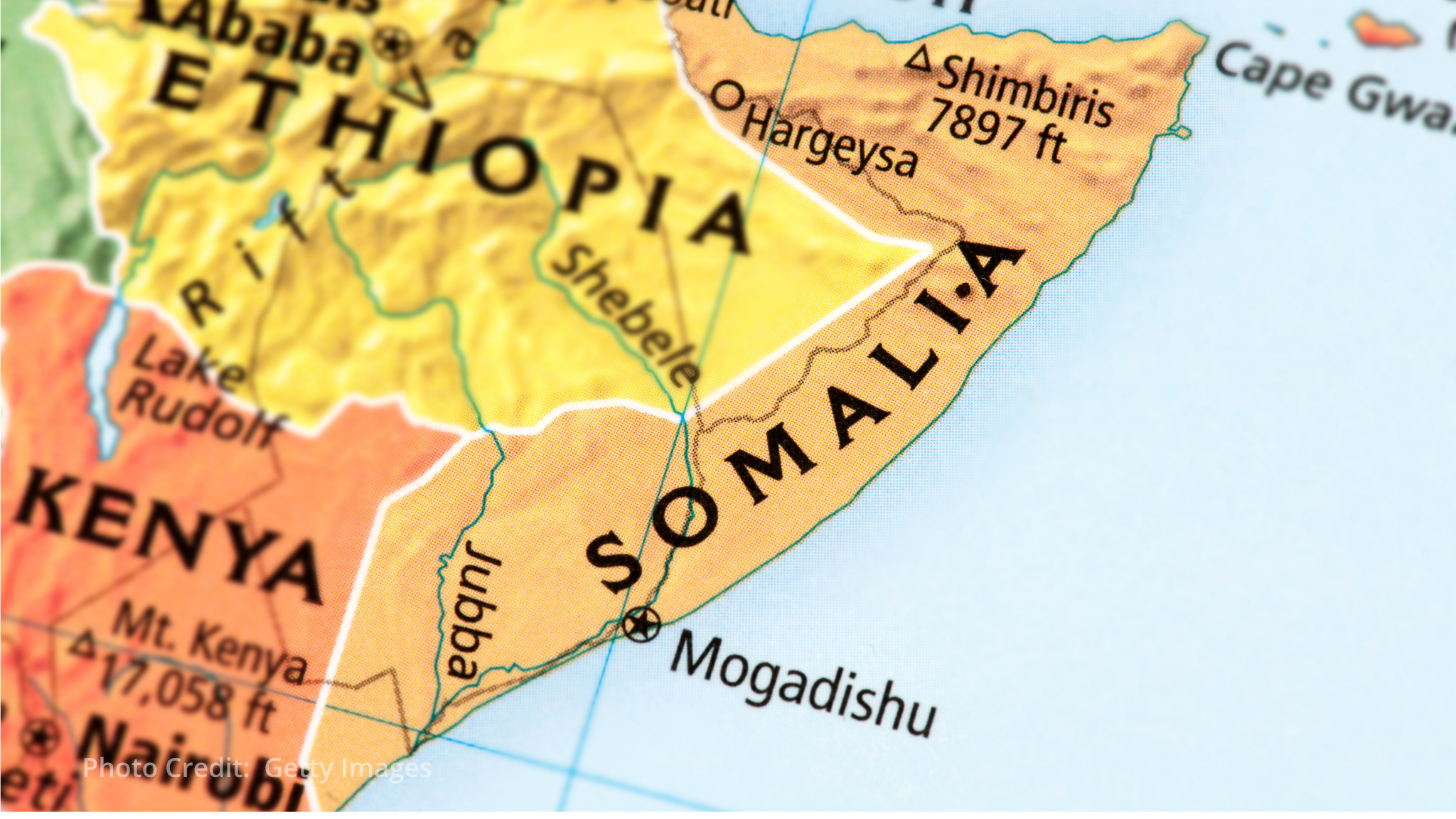
The Federal Government of Somalia, the African Development Bank Group, the United Nations Office for Project Services (UNOPS), and the World Food Programme (WFP) have launched a USD 11.8 million initiative to strengthen agricultural and pastoral systems in Somalia, according to a press release issued on 8 June 2026 in Mogadishu. The three-year program, named “Activating Climate-Resilient Agricultural Livelihoods in Somalia” (ACALS), aims to advance climate resilience, sustainable land and water management, higher productivity, better market access, and stronger disaster preparedness. It is financed by the African Development Fund, the Bank Group’s concessional window, and implemented by WFP and UNOPS. The initiative will support 180,000 people, or 30,000 families, in the drought-affected States of Hirshabelle and Puntland. It marks a coordinated effort to shift from short-term emergency support toward long-term investments in food security.
Somalia continues to grapple with widespread food insecurity driven by recurring climate shocks and conflict. One in three Somalis, or an estimated six million people, faces crisis-level hunger or worse (Integrated Food Security Phase Classification Level 3+). Nearly two million people face emergency hunger (IPC4). Drought, insecurity, falling humanitarian funding, and the ripple effects of the conflict in the Middle East have deepened the crisis. Rural and agropastoral communities remain particularly affected by these compounded pressures.
ACALS will support farmers, especially women and youth, through land and water management initiatives such as irrigation rehabilitation. It also focuses on improved productivity and market access through climate-resilient crops and business support. The program includes stronger disaster preparedness through early warning systems, community response training, and ecosystem-based climate adaptation.
“Somalia’s livestock and agricultural sectors require targeted interventions like ACALS to build resilience to climate change and improve their ability to adapt to changing climatic conditions,” said Hassan Hussein Mohamed, Minister of Livestock, Forestry and Range in the Federal Government of Somalia.
The project is structured to address both immediate vulnerabilities and longer-term adaptation needs.
The initiative aligns with the Bank Group’s broader engagement in Somalia. “This initiative is a practical response to the challenges facing the country. It sits within the Bank’s broader engagement with Somalia,” said Pascal Sanginga, the East Africa Regional Manager for Agriculture and Agro-Industry at the Bank Group. As of May 2026, the Bank’s active portfolio comprises 24 operations, with agriculture representing about 12.2%. This signals a shift from short-term emergency support toward longer-term investments in food security and climate resilience.
ACALS is the first joint project between WFP and UNOPS in Somalia, marking a forward-looking partnership among UN agencies.
“ACALS will help families build resilience for long-term food security while supporting broader development efforts,” said Marco Selva, WFP’s Deputy Country Director in Somalia.
Ala’a Nemer, UNOPS Country Director in Somalia, emphasized that infrastructure assets delivered under the project will be climate-resilient and supported by strong community governance structures. The initiative contributes directly to Somalia’s National Transformation Plan (2025-2029) by strengthening institutional capacity at federal and state levels. It brings together government institutions, development partners, financial institutions, and communities under a shared resilience agenda.