
Add us as your preferred source on Google to see more of our content in Search.
 Add to Preferred Sources
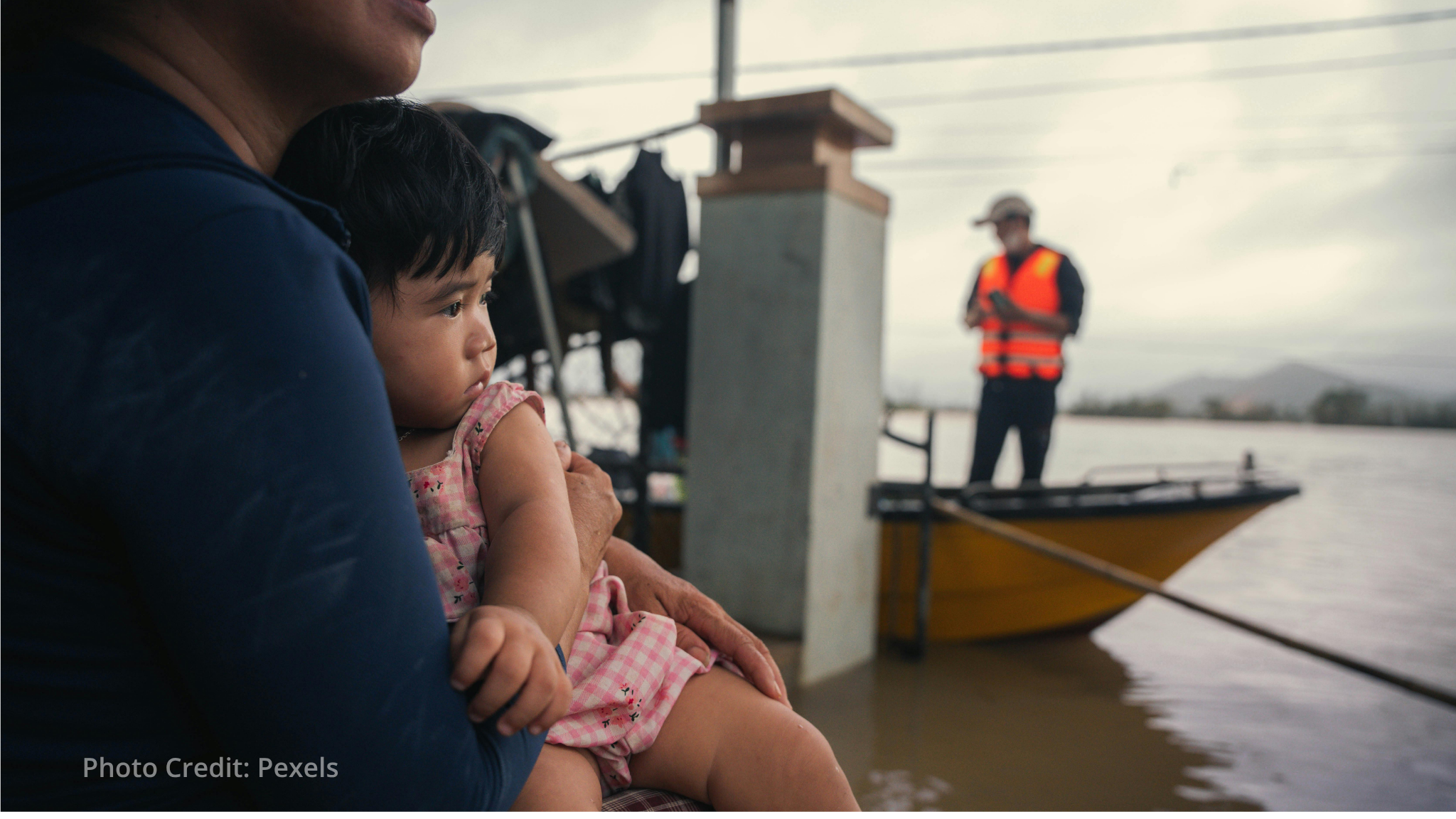
Nearly every child in the world is now exposed to at least one climate hazard, and almost half face three or more overlapping threats, according to a new analysis released by the United Nations Children’s Fund (UNICEF) on 16 June 2026. The findings were presented by Tom Slaymaker, UNICEF Chief of the WASH, Climate and Environment Data unit, at a press briefing at the Palais des Nations in Geneva, according to a press release. The report highlights how floods, droughts, storms, and extreme heat are reshaping children’s daily lives across the globe. It identifies regions where multiple climate hazards converge with greatest intensity. The agency urges governments to act before further shocks compound existing vulnerabilities.
UNICEF opened its briefing with the story of Lorna, a 15-year-old in Papua New Guinea who swims daily across the Kemp Welch River to reach school. The community’s only footbridge was destroyed by floods, leaving children no safe alternative. Lorna pushes a bowl ahead of her to keep her books and uniform dry. The river is known for strong currents and crocodiles. Her story illustrates how climate change has become a present, lived reality for children, not a distant threat.
The analysis shows that 1.1 billion children—nearly half of the world’s children—are exposed to at least three climate hazards, while some face as many as six. In the Sahel, millions of children contend with extreme heat, drought, and sand and dust storms simultaneously. Children in Bangladesh, Myanmar, and Pakistan endure more hazards, at greater intensity, than almost anywhere else. In small island states such as Haiti or Vanuatu, a single storm can overwhelm entire systems overnight. Overlapping shocks compound impacts, as droughts cause malnutrition and subsequent floods spread diseases like cholera.
Slaymaker stressed that children in conflict-affected places such as the Central African Republic, Chad, Haiti, and Sudan face heightened danger because they lack essential services. Globally, 634 million children still lack safe drinking water and 1 billion lack safe sanitation. In 2024, at least 242 million children had their schooling disrupted by climate hazards, with many displaced from their homes. “Children have done the least to cause the climate crisis, yet they are paying the highest price,” he said. Displacement also raises risks of family separation, violence, exploitation, and childhood trauma.
UNICEF’s goal, Slaymaker said, is to make children more visible and pinpoint where action is most urgent. The analysis enables governments to identify the most at-risk children and strengthen essential services before the next shock. Proven measures include installing solar power for schools, switching to groundwater aquifers, upgrading sanitation systems to recycle water, and building storm shelters. Without urgent, child-focused climate action, today’s shocks will only intensify. With the right investment and political will, UNICEF says, children can be given the chance to survive and thrive.