
Add us as your preferred source on Google to see more of our content in Search.
 Add to Preferred Sources
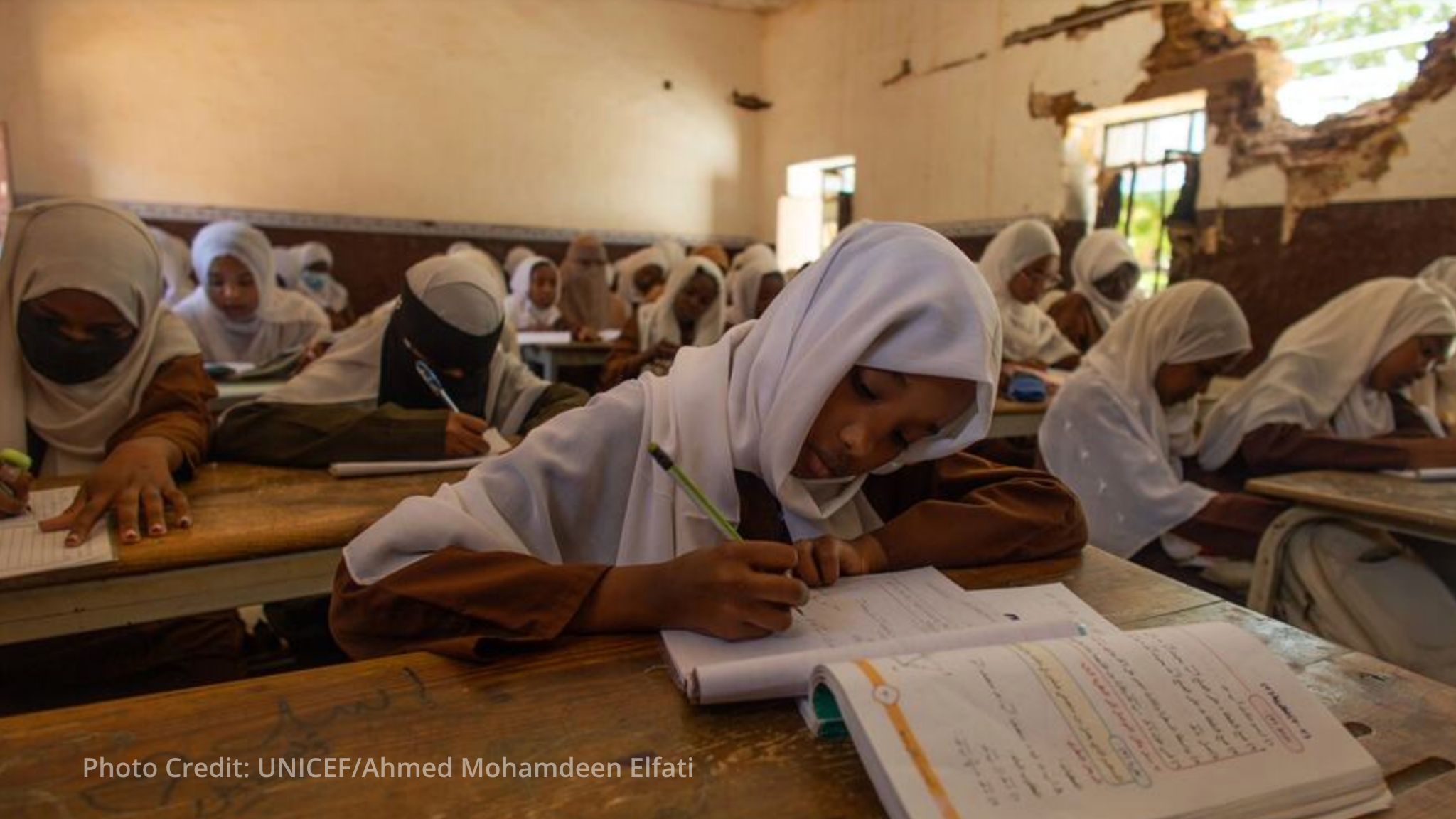
Conflict, displacement and climate shocks are disrupting education for an estimated 258 million school-aged children and adolescents worldwide, raising fears that millions risk losing not only years of schooling but future opportunities altogether. The findings come from a new report released on 23 June 2026 by Education Cannot Wait (ECW), the UN global fund for education in crises, according to a press release. The report paints one of the clearest pictures yet of the growing education emergency unfolding in some of the world’s most vulnerable communities. Among the children affected, 93 million are entirely out of school. Millions more remain enrolled but cannot learn under conditions that undermine progress and increase the likelihood they will eventually drop out.
The report, titled Breaking Barriers: Understanding Educational Exclusion in Crises, documents how educational need is becoming increasingly concentrated in the world’s most severe emergencies. Of the 182 million crisis-affected children living across the 20 highest-severity crisis contexts, 74 million are out of school. That figure represents nearly 80 percent of all out-of-school crisis-affected children identified in the study. Researchers warn that exclusion extends beyond access alone. Across many crisis settings, children are falling behind in foundational skills early and never recovering.
In some contexts, less than one in 10 children demonstrate basic reading proficiency in the early grades, with learning gaps widening over time and eventually becoming barriers to staying in school. Children forced from their homes face some of the steepest challenges. Analysis from Burkina Faso, the Central African Republic, the Democratic Republic of the Congo, Mali and Somalia found displaced children experience lower promotion rates, slower educational progression and are significantly more likely to be over-age for their grade compared with non-displaced peers. Girls, refugees and children living with disabilities also face disproportionately high barriers to continuing their education. Conflict appears to deepen and prolong learning losses.
By Grade 6, reading proficiency reaches only 30 percent in conflict-affected countries, compared with 47 percent in countries affected primarily by socioeconomic crises and 63 percent in those affected mainly by natural disasters. Despite insecurity and financial hardship, families continue to prioritize education. Financial barriers and conflict-related school closures account for nearly 80 percent of school withdrawal cases. This suggests that children are leaving school not because families no longer value education, but because circumstances leave them with few alternatives.
“Support for education in crises is the insurance policy families, governments and donors need to protect their long-term investments in education and economic opportunity,” said ECW Director Maysa Jalbout.
Jalbout warned that conflict and climate change are reversing years of progress and called for urgent investment to prevent educational losses from becoming permanent. Education Cannot Wait says it has reached more than 14 million crisis-affected children since its creation. The fund aims to reach another 10 million by 2030. The report underscores that without immediate action, an entire generation risks being left behind. Its findings serve as a call for renewed commitment from governments, donors and partners to safeguard education in the world’s most fragile settings.