
Add us as your preferred source on Google to see more of our content in Search.
 Add to Preferred Sources
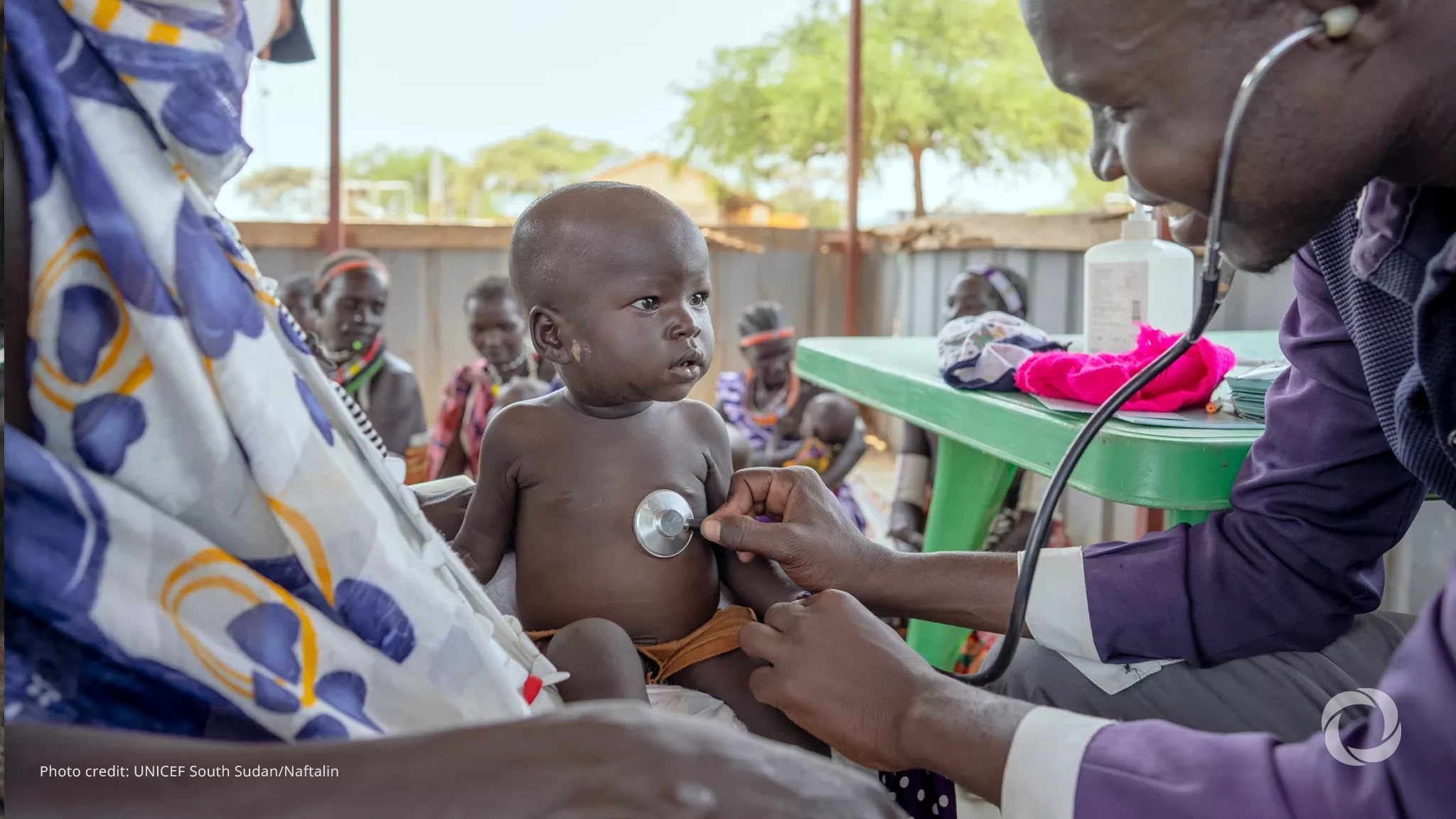
The United States and South Sudan’s Revitalized Transitional Government of National Unity (RTGoNU) signed a three-year bilateral health cooperation Memorandum of Understanding (MOU) on June 25, advancing efforts against infectious diseases, including HIV/AIDS and other emerging health threats, according to a press release by the U.S. Department of State. The agreement was concluded through the Trump Administration’s America First Global Health Strategy. It establishes a framework of mutual accountability between Washington and Juba. The MOU represents a new model of bilateral health cooperation. It aims to ensure that U.S. foreign assistance reaches its intended recipients.
Working with Congress, the Department of State intends to provide more than $146 million to prevent the spread of infectious diseases in South Sudan. The RTGoNU will invest nearly $20 million in South Sudanese health systems. Combined, the MOU mobilizes more than $166 million in health funding. The RTGoNU has committed to using its own public revenue to fund essential services. These include clinical care and the management of self-sufficient health systems to address health security threats.
The MOU secures mutual accountability through jointly decided provisions. The RTGoNU committed to paying its health sector workers’ salaries. It also pledged to maintain infrastructure such as cold chain systems for vaccine storage. Transparent reporting is part of the agreed framework. The Department will evaluate success through jointly decided metrics to ensure accountability to the American taxpayer.
The MOU strengthens timely outbreak detection and response for potential infectious disease outbreaks within seven days of emergence. It establishes the framework to contain diseases that could threaten the health, safety, and prosperity of the American and South Sudanese people. The agreement is especially timely given the current threats posed by the Ebola outbreak in the region. Through the America First Global Health Strategy, the United States has “finally secured a more accountable foreign assistance global health model with South Sudan,” the statement said. The strategy is intended to ensure foreign assistance reaches its intended recipients.
America First Global Health Strategy MOUs signed so far represent more than $20.8 billion in new health funding. This includes more than $12.9 billion in U.S. assistance alongside more than $7.8 billion in co-investment from recipient countries. The initiative builds on decades of progress fighting HIV/AIDS, malaria, tuberculosis, and other infectious diseases worldwide. As of June 27, the State Department has signed 33 bilateral global health MOUs, with partners including Angola, Bolivia, Botswana, Burkina Faso, Burundi, Cambodia, Cameroon, Côte d’Ivoire, the Democratic Republic of the Congo, the Dominican Republic, El Salvador, Eswatini, Ethiopia, Guatemala, Guinea, Honduras, Kenya, Lesotho, Liberia, Madagascar, Malawi, Mozambique, Niger, Nigeria, Panama, Papua New Guinea, the Philippines, Rwanda, Senegal, Sierra Leone, South Sudan, Tajikistan, and Uganda. South Sudan now joins this expanding network of partner countries.