
Add us as your preferred source on Google to see more of our content in Search.
 Add to Preferred Sources
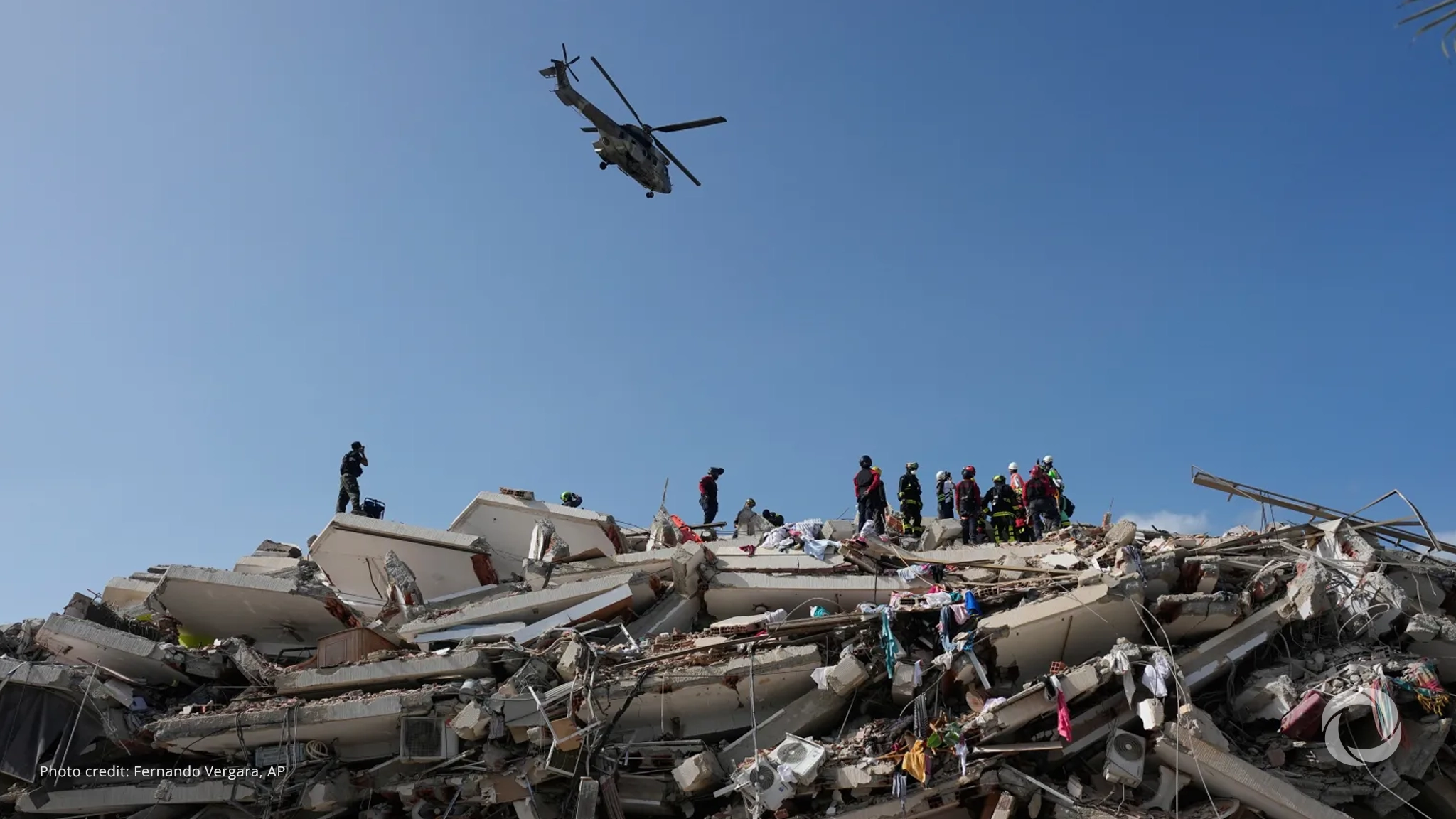
Emergency response teams pressed on with their lifesaving mission in Venezuela on Monday as local responders and families continued searching for missing relatives five days after a double earthquake disaster, according to UN News. The UN Office for the Coordination of Humanitarian Affairs (OCHA) has helped coordinate an international response involving 27 countries, more than 2,200 rescuers and 140 search dogs. The confirmed death toll stands at least 1,450 people, with at least 3,200 injured and tens of thousands still believed to be missing. UN Emergency Relief Coordinator Tom Fletcher described an initial estimate of 50,000 people missing as “terrifyingly plausible.” The disaster has reshaped humanitarian priorities across the country.
The magnitude 7.2 and 7.5 quakes struck less than a minute apart on 24 June, with the coastal state of La Guaira among the worst-hit locations. Nearly 190 buildings collapsed when the earthquakes hit, with more than 770 impacted in total. Witnesses likened these structures to “houses of cards” or “layered pastries.” Satellite mapping analysis from Microsoft, cited by the International Organization for Migration (IOM), shows that 31.5 per cent of buildings in Catia La Mar, a major port city in northern Venezuela, have been damaged. IOM warns that up to 6.76 million people could be affected, including two million in Caracas alone.
OCHA has coordinated relief from 27 countries, while the UN has set up three field hospitals in La Guaira. The agency also provides support for information management, logistics and communications. Non-governmental and private sector partners are on site, delivering shelter, water, food, medicine and protection. OCHA continues to work closely with the Government, the military and civil protection at coordination centres. Teams are preparing support for people unable to return home.
“Destruction is all around,” said Stephanie Hochstetter, Country Director in Venezuela for the UN World Food Programme (WFP), speaking from La Guaira, located roughly 40 minutes north of Caracas. “Many people have lost their lives. There are thousands of injured, and hundreds of buildings destroyed or severely damaged,” she added, noting that “people will be in great need of food.”
WFP reported having more than 3,000 metric tons of food in country, with supplies enough to feed more than 10,000 families for two months. The agency stressed that access to enough food remains a top concern for 80 per cent of the population.
According to UNICEF, about 1.8 million people need humanitarian assistance, including 680,000 children. Civilian rescuer Mireya Quesada Sojo, whose relatives were buried in collapsed debris, described the search effort.
“At first, we started digging with our bare hands, trying to recover our family members,” she said.
Early satellite-based assessments help humanitarian responders identify communities most urgently in need of life-saving assistance. Coordination between UN agencies, national authorities and partners continues as the response scales up across affected states.