
Add us as your preferred source on Google to see more of our content in Search.
 Add to Preferred Sources
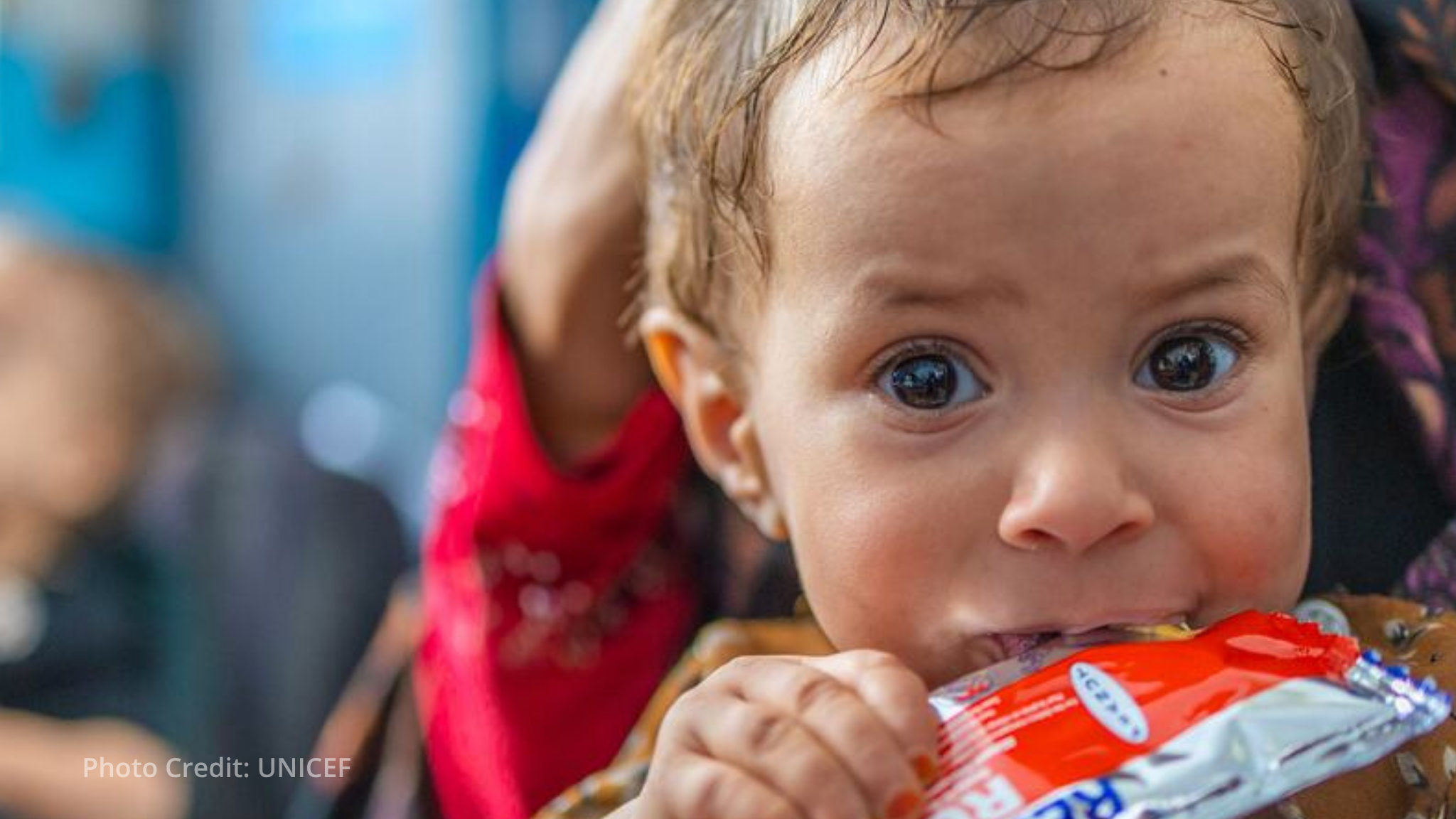
Some 3.7 million children under five in Afghanistan are at heightened risk of malnutrition due to food insecurity, poor diets and inadequate access to basic services as the peak season for life-threatening wasting looms, according to a new report published on Sunday by the United Nations Children’s Fund (UNICEF). The document, titled Too Little, Too Late: The Diet Crisis Facing Young Children in Afghanistan, was released as the country enters the peak wasting season, which runs from July to September. UNICEF identified child food and nutrition insecurity as a main driver of undernutrition. The warning highlights an early and deepening crisis. Wasting remains the most immediate, visible and life-threatening form of malnutrition.
Wasting is caused by recent food deprivation, illness, or both, and leaves affected children too thin for their height. Their weakened immune systems make them vulnerable to developmental delays, disease and death. Recent data show that conditions have worsened across 26 out of 34 provinces compared with 2025. For the first time at this scale in Afghanistan, UNICEF measured child malnutrition alongside the lived experience of food and nutrition insecurity among the same group of children across all provinces. The findings aim to help identify risk earlier, before children become severely malnourished.
The study points to early warning signs such as reduced food variety, skipped meals, and children eating less than they need or going hungry. Children under age two have been hardest hit, accounting for 83 per cent of severe acute malnutrition cases and 77 per cent of moderate acute malnutrition cases. Children in severely food-insecure households are up to six times more likely to suffer from wasting during peak malnutrition periods. Worsening malnutrition is also linked to disease outbreaks and low immunization coverage. Inadequate water, sanitation and hygiene services, alongside growing funding and supply gaps, further weaken children’s health.
“Young children in Afghanistan are being pushed closer to malnutrition before the peak season has even begun,” said Dr. Tajudeen Oyewale, UNICEF Representative in the country. “When families begin reducing meals or cutting back on nutritious foods, it is not only a sign of hardship. It is a warning that a child may soon become dangerously wasted.” He added that although treatment saves lives, “we must also invest in prevention, starting with the diets of the youngest children and pregnant women.”
UNICEF’s latest Afghanistan Nutrition Cluster alert underscores that the response must go beyond nutrition services alone.
With the peak wasting season approaching, UNICEF is calling for urgent investment to protect young children’s diets and prevent further deterioration. Planned action includes scaling up its First Foods Initiative, prioritising children aged six to 23 months. The agency also aims to strengthen preventive nutrition services and ensure better alignment of essential services around children’s nutrition needs. “The window to act is narrowing,” UNICEF said, stressing that “the warning signs are visible earlier, and the response must come earlier too.” The agency underscored the need for urgent, flexible funding now to reach families before the crisis deepens further.