
Add us as your preferred source on Google to see more of our content in Search.
 Add to Preferred Sources
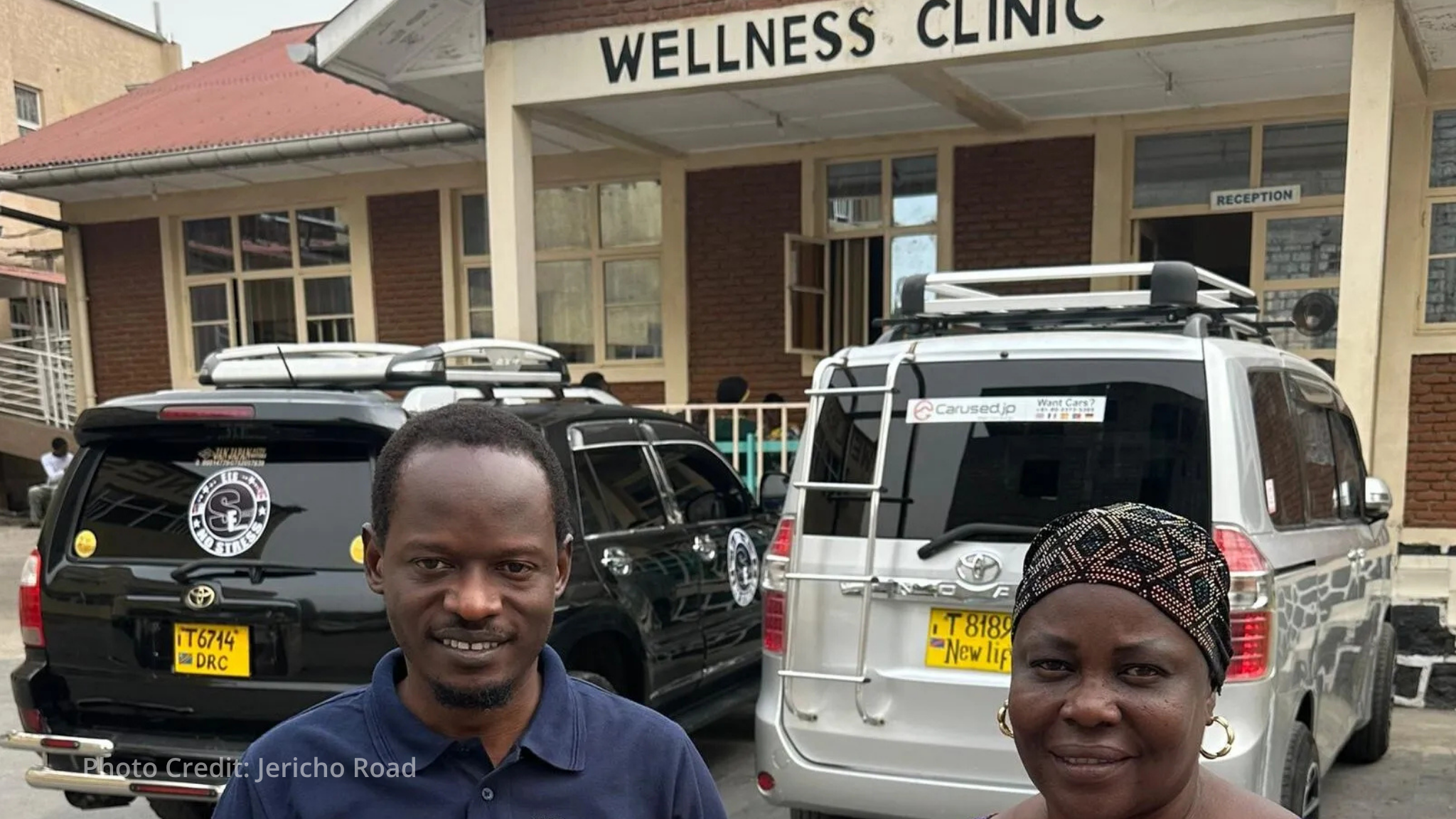
The Ebola outbreak in the Democratic Republic of the Congo has altered daily operations at the Wellness Clinic, a Jericho Road facility in Goma, even though no confirmed Ebola cases have been received there, according to a press release by Direct Relief. Clinic staff reported a roughly 20% decline in patient visits early in the outbreak, driven largely by widespread distrust of the health system. The facility provides primary care, a surgery center, and a birthing ward. Physician Dr. Prince Mbuzukongira and nurse and director Chantal Mandro discussed managing patient fears while maintaining infection-control measures. Their account illustrates how an outbreak can shape care before a single suspected case arrives.
The outbreak, caused by Bundibugyo virus, has led to at least 721 deaths and 1,984 cases, according to the DRC and Ugandan Ministries of Health. Cases have been concentrated in the DRC’s Ituri, North Kivu, and South Kivu provinces. The CDC reports this is the DRC’s 17th Ebola outbreak and the third-largest Ebola outbreak on record. In Goma, the capital of North Kivu province, the outbreak is unfolding in a city already battered by civil conflict and mass displacement. Around mid-May, one Ebola case was reported in Goma; the patient was isolated and survived.
Routine care has been disrupted for patients whose conditions worsen when treatment is delayed, including malaria, respiratory infections, and typhoid. Chronic-disease patients continued to attend but face heightened risk during outbreaks. Border closures have limited access to some essential medicines, though the clinic reports adequate stock for everyday use. Medicines requested from Direct Relief have supported poor patients with chronic illnesses who cannot regularly pay for treatment. Staff also noted that many of those who died during the coronavirus period had chronic diseases.
Dr. Mbuzukongira said local trust remains central to any effective Ebola response. “The response has many branches, but communication with the population is not emphasized enough,” he said, adding that responders frequently arrive from Kinshasa or other places without engaging local nurses, doctors, and influential community members. Mandro noted that some residents fear being falsely diagnosed or used as experimental subjects. At the clinic entrance, staff established a temperature-screening point and several handwashing stations, restricted gatherings, and issue immediate alerts when suspected cases are identified. Still, Mandro said the clinic does not feel fully prepared, citing limited masks and PPE.
In Goma, the response has been more organized than in some other areas, with isolation, testing capacity, and case control systems in place, and exposed individuals placed in isolation for 21 days. Direct Relief has sent personal protective equipment, oral rehydration salts, chronic-disease medications, antibiotics, and diagnostics to Jericho Road. Shipments continue to strengthen ongoing health services and support providers reaching patients across the DRC. Mbuzukongira emphasized that responses must include local doctors, nurses, and trusted community members from the beginning. Both clinicians highlighted the resilience of healthcare workers and improvements in surveillance, diagnostics, and patient care capacities over the years.