
Add us as your preferred source on Google to see more of our content in Search.
 Add to Preferred Sources
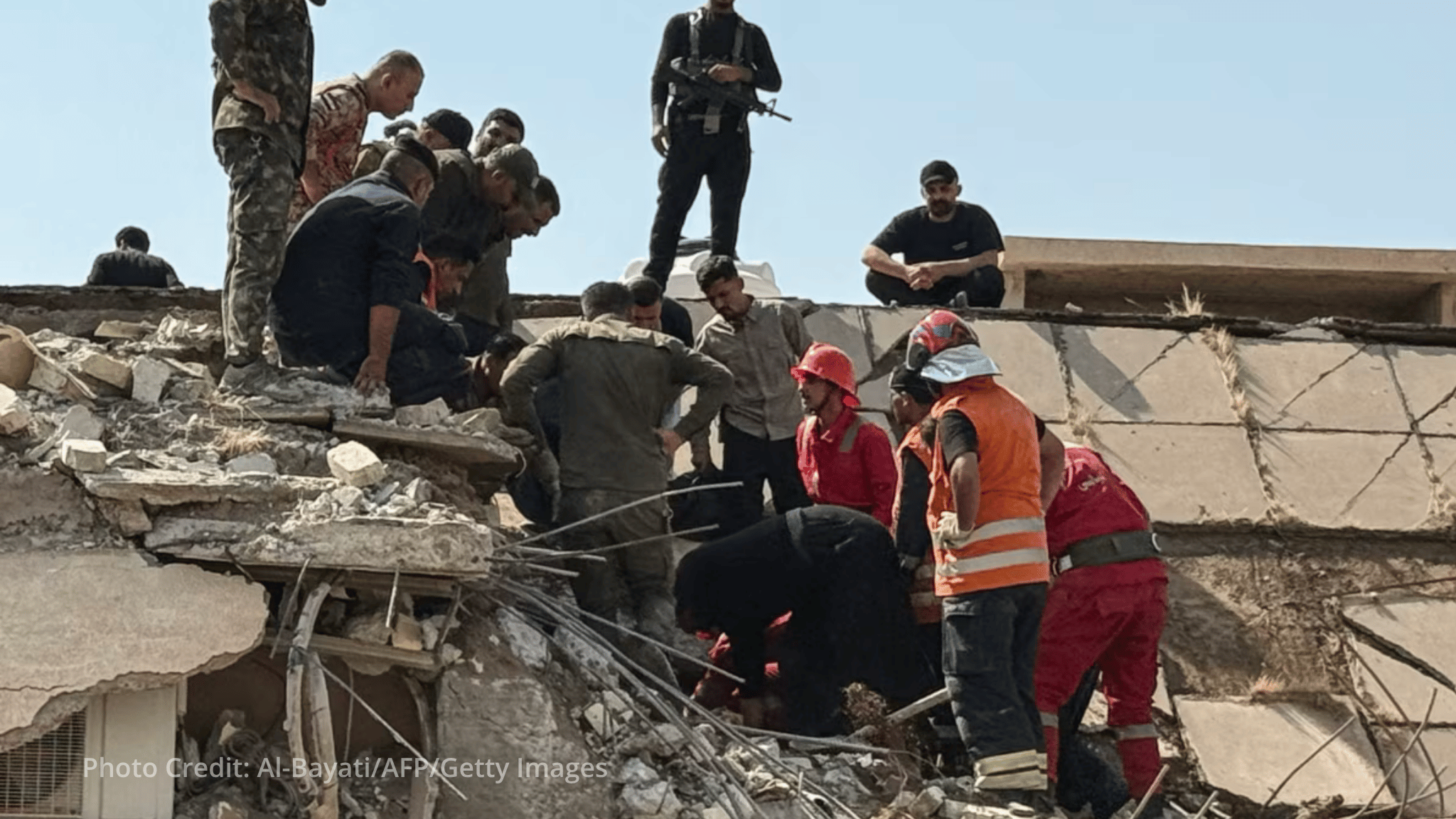
The humanitarian toll is mounting as fighting continues in the Middle East beyond strikes and counterstrikes between the US and Iran, the UN aid coordination office UN Office for the Coordination of Humanitarian Affairs (OCHA) warned on Thursday, according to a press release. Civilians are increasingly at risk and essential infrastructure has been disrupted in several countries across the region. Since Wednesday, civilian casualties have been recorded in Iran and Kuwait, while damage or destruction to critical infrastructure has been reported in Saudi Arabia and Egypt. OCHA said the humanitarian consequences of the escalation are worsening by the day. Jordan and Egypt remain vital lifelines for aid deliveries and medical evacuations across the region.
Five months have passed since the current crisis erupted following the US-Israeli bombing of Iran and retaliatory strikes by Tehran against Gulf States and Jordan. The impacts have been felt throughout the region and beyond. An agreement signed in June establishing a ceasefire framework collapsed weeks later. The collapse was tied to disputes over control of the Strait of Hormuz. That waterway is a key shipping corridor for oil, liquified natural gas and fertilisers.
Civilians at growing risk
In Iran, a new wave of strikes was reported on Thursday in the provinces of Fars, Hormozgan, Bushehr and Khuzestan. The affected zone includes the country’s main oil-producing region. Local sources reported that a strike in Qeshm, Hormozgan province, hit a residential building, killing three civilians, including a two-year-old. Two other children were reportedly injured. Iranian health authorities said that as of 27 July, at least 60 people have been killed and 670 injured since hostilities escalated a month ago.
Critical aid lifelines under pressure
The disruption is also affecting countries that play a key role in humanitarian operations in the region. UN agencies and humanitarian partners already operating in Iran continue to support the response to growing humanitarian needs.
“The humanitarian consequences of the Middle East escalation are worsening by the day,” OCHA said in its latest update.
The agency called on all parties to uphold their obligations under international humanitarian law. Those obligations include protecting both civilians and vital infrastructure from harm.
As fighting intensifies, OCHA said it will continue to monitor the humanitarian impact across affected countries. The office pointed to Jordan and Egypt as remaining central to aid deliveries and medical evacuations. Civilian casualties reported in Iran and Kuwait underscore the widening scope of the crisis. Damage to critical infrastructure in Saudi Arabia and Egypt further illustrates the regional reach. OCHA’s appeal reinforces the demand that parties respect international humanitarian law.