
Add us as your preferred source on Google to see more of our content in Search.
 Add to Preferred Sources
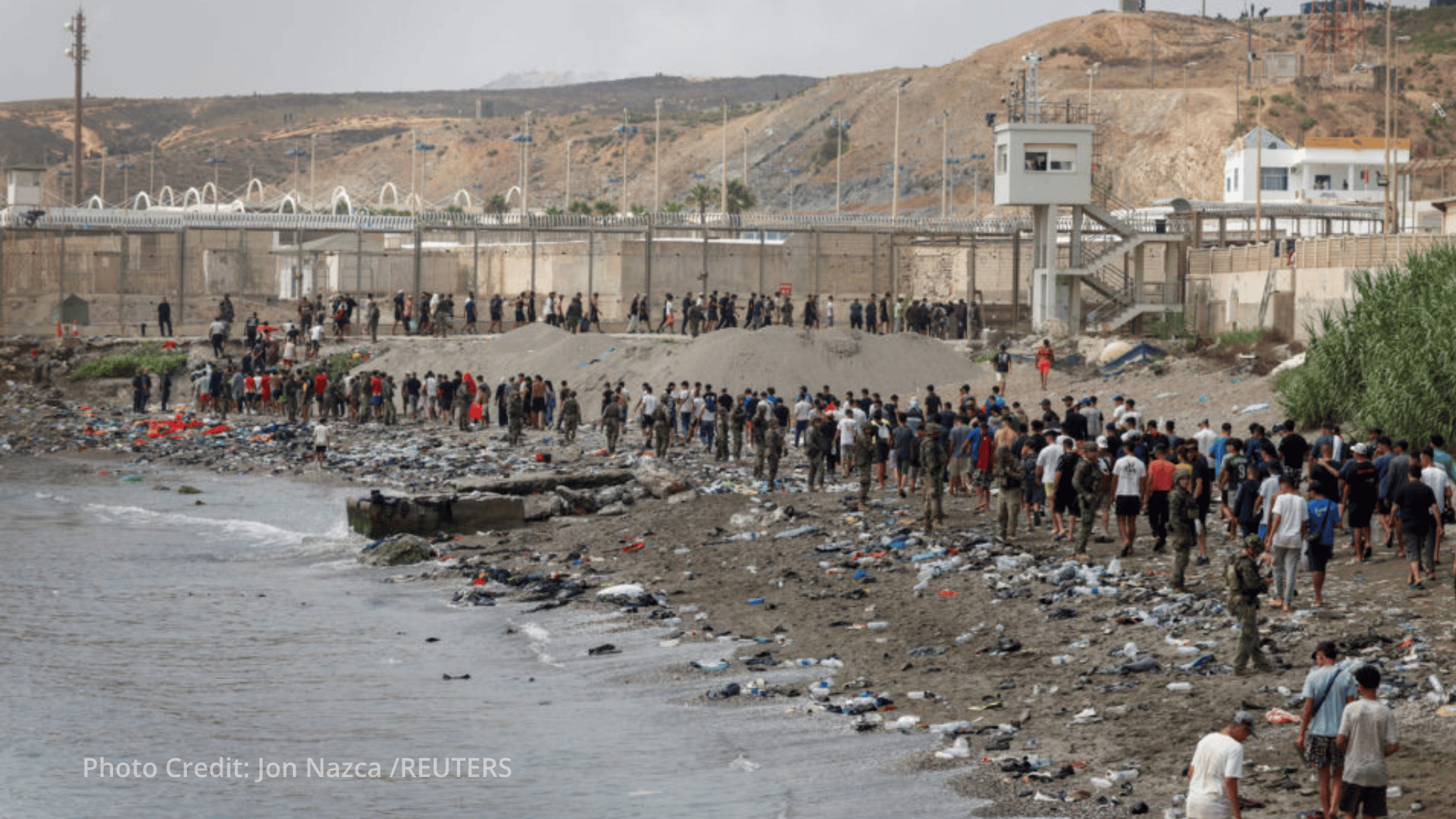
Thousands of children arriving in Spain’s North African enclave of Ceuta amid a sharp rise in migration require immediate protection, according to a press release issued on July 31, 2026 by Save the Children. The organization has called on Spanish authorities to provide safe accommodation and ensure that no child is left without the assistance they need. Officials estimate that about 49,000 migrants have crossed into Ceuta from Morocco this week via land and sea. Many of the children among them are believed to be unaccompanied or separated from their families. Save the Children is urging a coordinated national response to safeguard every minor.
Ceuta, located on the North African coast, has once again become a focal point for migration between Morocco and Spain. The enclave’s child protection system was already operating with limited reception capacity before the current surge. The recent influx has intensified pressure on local services designed to shelter and support minors. Reports have also emerged of a possible agreement between Spain and Morocco regarding migrant returns. Save the Children stresses that such measures must comply with existing Spanish legal safeguards for children.
The organization is calling for an immediate, coordinated response from the national government, the Autonomous City of Ceuta, and Spain’s autonomous communities. It seeks the expansion of protection and reception capacity to accommodate the arriving minors. Authorities are being urged to correctly designate all child migrants as minors. The group also stresses the need to identify children at heightened risk. These include survivors of trafficking, children separated from relatives, and those who may need international protection or additional support.
Jennifer Zuppiroli, migration specialist at Save the Children in Spain, addressed the urgency of the situation.
“When the number of child arrivals increases, the priority must focus on protecting them over politics. No child should spend a single night without a safe place to sleep, specialized care, or an assessment of their protection needs,” she said.
She warned that “the latest surge in arrivals is placing significant pressure on Ceuta’s child protection system, where reception capacity is already limited.” Zuppiroli added that “Ceuta cannot be left to face this alone.” She insisted that “a child does not stop being a child simply because they crossed a border.”
Save the Children emphasized that any decision affecting an unaccompanied minor must follow Spanish law. Every child is entitled to an individual assessment, and any return must be based on their best interests and respect for their rights. The organization reiterated that Ceuta requires joint action from national and regional authorities. Ensuring appropriate care for children at risk remains the central demand. The call underscores the responsibility of Spanish institutions to uphold child protection standards during the ongoing migration surge.