
Add us as your preferred source on Google to see more of our content in Search.
 Add to Preferred Sources
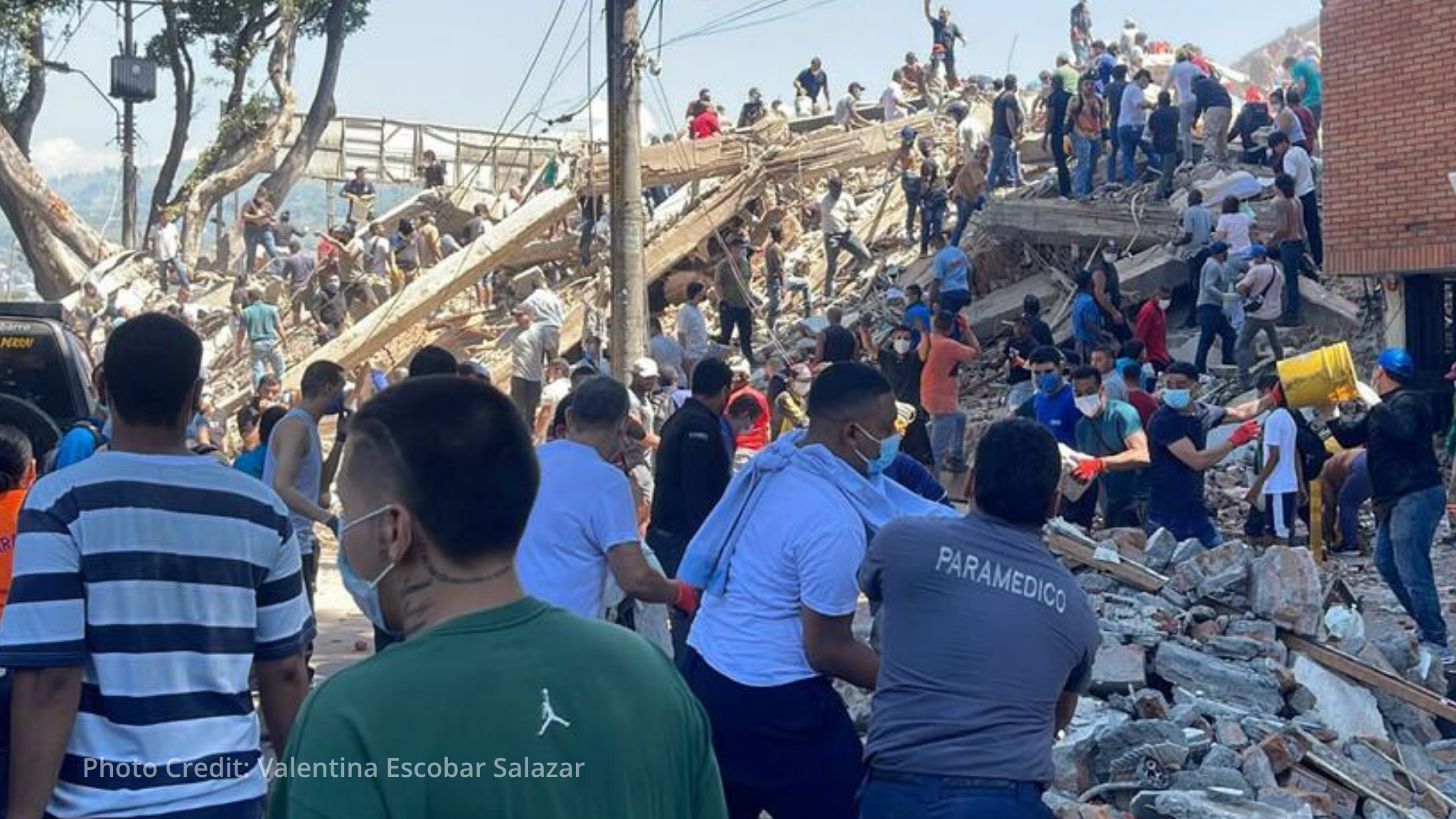
The United Nations (UN) agencies have joined Colombia’s national emergency response following a 7.4 magnitude earthquake that struck the west of the country on Monday, killing more than 180 people and injuring hundreds, according to a press release by UN News. Speaking on Tuesday, UN Resident Coordinator in Colombia María José Torres Macho said the organization is redirecting resources, moving pre-positioned emergency supplies and deploying additional staff to affected areas. The country’s newly elected president confirmed the death toll, while rescue efforts continue across western Colombia. UN agencies pledged to help “with everything we’ve got,” in coordination with national authorities. The Government has requested UN support to complement the national response.
The earthquake struck at around 7:34 a.m. local time, with its epicenter near San José del Palmar in Chocó department, close to Valle del Cauca. According to the Colombian Geological Service, the quake occurred at a depth of about 103 kilometers (64 miles) and was the largest seismic event recorded in the country this century. The tremor was felt across large parts of Colombia and in neighboring Panama, Ecuador and Venezuela. Evacuation orders were issued as far away as Bogotá, some 250 miles east of the epicenter. The disaster flattened homes and buildings and triggered landslides.
“Nearly 5,000 homes have been damaged and 387 have been destroyed; 61 buildings have collapsed and more than 550 educational institutions, 24 health facilities and more than 350 community centres have [been] affected,” said Jens Laerke, spokesperson for OCHA.
He noted that these are official Government figures and are being updated. Initial UN priorities include temporary shelter, health, food security and protection. Emergency kits already stored in the country and World Food Programme logistics capacity are being made available to the wider humanitarian community. Particular attention is being paid to families who have lost their homes, as well as women and children in vulnerable communities.
The World Health Organization (WHO) reported damage in 24 health facilities across six departments, with Valle del Cauca department and the city of Cali experiencing the most significant impacts. Key affected sites include Hospital Universitario del Valle, where part of a tower housing cardiology and pediatric services collapsed, and Clinica Nuestra, which was fully evacuated. WHO spokesperson Tarik Jasarevic said field teams have been deployed to Cali and Chocó to support health sector assessment and coordination. In Cali, authorities reported multiple landslides with people trapped and requested reinforcements for rescue operations. Drawing on lessons from the recent earthquake response in Venezuela, the UN is examining how to ensure pregnant women and young children are reached from the outset, including through possible mobile units for remote areas.
Pereira, a city of around 500,000 located about 35 miles from the epicenter, reported 18 dead late Monday, according to its mayor. Six airports — Quibdó, Pereira, Manizales, Armenia, Cartago and Buenaventura — have been closed for inspections, while Popayán airport in Cauca is operating with restrictions due to an unrelated alert for the possible eruption of the Puracé volcano. The Government has activated emergency coordination centers in Bogotá, Quibdó, Armenia and Cali. UNICEF is coordinating with partners and national authorities to assess needs and support affected children and adolescents, while UNDP is working with government institutions to help analyze damage and needs. Miroslav Jenča, head of the UN Verification Mission in Colombia, expressed solidarity with victims and affected communities, particularly in Chocó, Eje Cafetero and Valle del Cauca, and said the Mission was available to support the authorities’ response.