
Add us as your preferred source on Google to see more of our content in Search.
 Add to Preferred Sources
Severe weather, war, economic pressure and shifting policies reshaped migration journeys across multiple regions in the first four months of 2026, driving a surge in deaths, according to a press release by the International Organization for Migration (IOM). The agency’s newest route-based data was released on Wednesday, 12 August 2026. It reveals a startling spike in fatalities among people seeking a better life, from the Bay of Bengal to the Atlantic Ocean. Many of these migrants fell prey to traffickers or scams along the way. The findings underscore that shifting patterns in migration are producing deadlier journeys across several corridors.
IOM Deputy Director General Ugochi Daniels pointed to the new Global Overview of Migration Routes report, which draws from its displacement tracking matrix, Missing Migrants project and regional partners. She noted that nearly half of the world’s 304 million international migrants live within their own region. They move for work, family, education and safety. Attention, she said, tends to settle on only a handful of routes. The report seeks to broaden that focus with clearer route-based evidence.
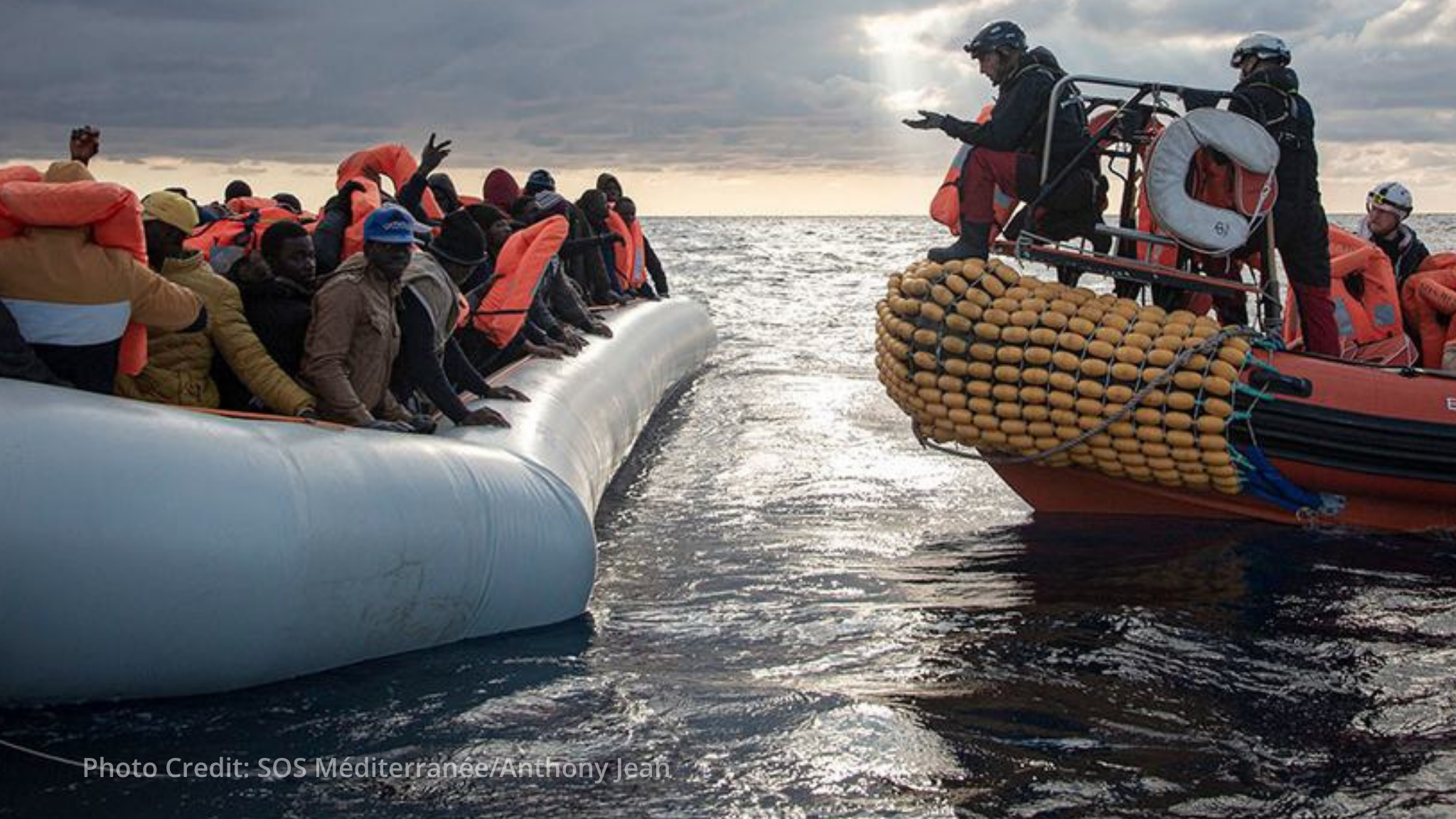
Along the central Mediterranean route, 821 people died or went missing, marking a 111 per cent increase, while arrivals dropped 46 per cent to 8,577. Over half those deaths occurred in January alone, when Cyclone Harry struck the region. The eastern Mediterranean route saw deaths triple to 244, many linked to disasters near Crete. Western Mediterranean arrivals to Spain rose 66 per cent to 5,647, driven by a three-fold increase in land crossings to Ceuta and Melilla. The western African Atlantic route showed the steepest decline of any in Europe, down 78 per cent to 2,276 in Spain, as departure points shifted further south.
Yemen saw a nine per cent rise in arrivals via the Horn of Africa eastern route, while conflict in the Middle East triggered large-scale displacement in Lebanon and rising cross-border returns to Syria.
“Fewer arrivals do not mean safer journeys,” Ms. Daniels said, stressing that saving lives remains a shared responsibility no single country can meet alone. She added: “Good data is not a substitute for solutions, but there are no solutions without it.”
UN independent experts also called for urgent action to support nearly 1.2 million Rohingya refugees living in Bangladesh. This followed reports that two boats carrying over 500 people capsized off Myanmar’s coast after departing Rakhine state in late June.
More than 6,500 Rohingya embarked on dangerous sea journeys in 2025, with an estimated 900 deaths, about 66 per cent of them women and children, according to UN agencies. One in seven went missing or died in the Andaman Sea and Bay of Bengal, described by the experts as “the highest mortality rate worldwide of any route for refugee and migrant sea journeys”. The experts, appointed by the UN Human Rights Council, called for effective measures to prevent human trafficking. They urged human rights-based responses, from protection services to access to employment, education and healthcare. The report reinforces that clearer data must guide coordinated international responses to migration risks.