
Add us as your preferred source on Google to see more of our content in Search.
 Add to Preferred Sources
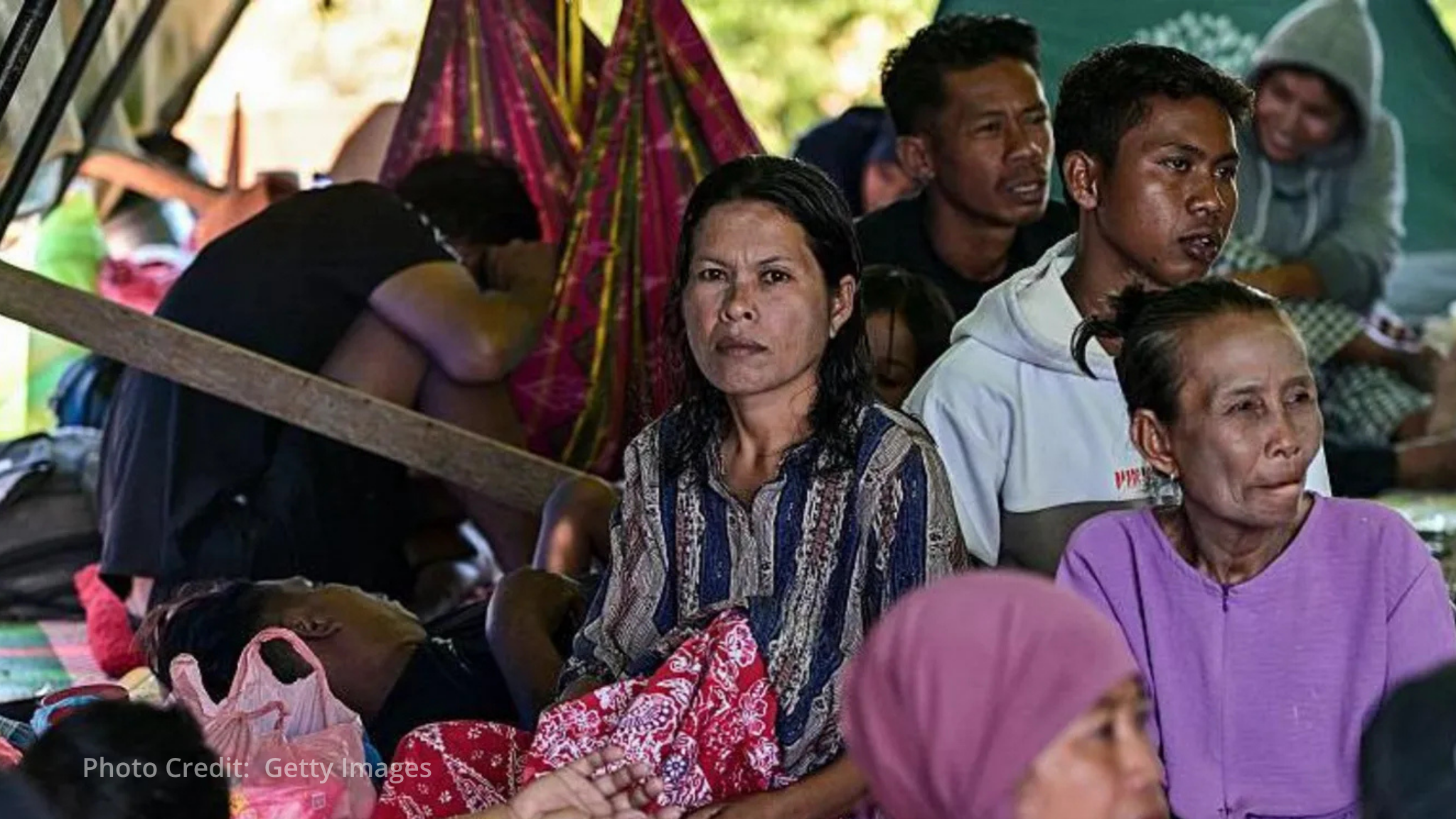
More than 8,000 children in Indonesia’s southernmost province of East Nusa Tenggara are facing safety risks and disruptions to their education after a 7.7 magnitude earthquake struck the island of Flores, according to a press release by Save the Children. Over 50 people have died, though casualties are likely to rise, and thousands have been displaced following the earthquake announced on August 16, 2026. The organization is assessing the needs of affected children and families with a local partner to launch a response. A second 6.9-magnitude earthquake struck off the country’s western island of Sumatra. This underscores Indonesia’s vulnerability to seismic activity, being located on the Pacific “Ring of Fire”.
While the full extent of the destruction is still unfolding, more than 900 homes were damaged by the quake and hundreds of aftershocks. Essential public infrastructure has also been affected, including 87 education facilities and 18 healthcare centers, disrupting services critical to children’s well-being. The earthquake struck against a backdrop of existing challenges, including an El Niño-driven drought and ongoing volcanic risks linked to Mount Lewotobi. The cumulative impact of these successive disasters threatens children’s health, protection, education and psychosocial well-being. Save the Children has been working in Indonesia since 1976, responding to major humanitarian disasters like the 2004 tsunami and the 2018 Sulawesi earthquake.
Agus*, 46, and his wife Euis*, 39, who both have visual impairments, described to Save the Children how they raced to save their six-month-old son when the quake struck the highland town of Ruteng on Flores Island. The family lives at a school for special-needs children, where Euis works as a teacher. Figures on casualties and damage are based on data from the government and the National Disaster Management Agency (BNPB). Names of the family members were changed to protect their identity. The organization is coordinating with local partner CIS Timor to reach affected communities.
Agus* recounted the moment the earthquake struck.
“Once we reached the backyard, the shaking grew much stronger. At its peak, I couldn’t even stand up. I held onto my child, my wife, and my mother-in-law. My wife couldn’t hold onto me tightly because she had to hold the baby. So I spread my feet wide and tried my best to wrap my arms around all of them. We managed to hold that position for about a minute because the quake was so violent,” he said.
His account illustrates the terror faced by families across Flores Island. Save the Children highlighted that children remain among the most at risk following the disaster.
Fadli Usman, Humanitarian and Resilience Director at Save the Children Indonesia, said protecting children’s well-being and future requires more than addressing their immediate needs and calls for sustained investment in recovery and resilience. Immediate priorities include ensuring children have access to education and supporting the livelihoods of families to prevent loss of learning, malnutrition, child labor, early marriage and other protection risks. Alongside life-saving support, equal priority must be given to restoring essential services, strengthening family and community resilience, and creating opportunities for children to recover from the earthquake. Save the Children is working together with CIS Timor to support affected children and families in Flores. The response comes as the region continues to face recurrent disasters compounding vulnerabilities for its youngest residents.