
Add us as your preferred source on Google to see more of our content in Search.
 Add to Preferred Sources
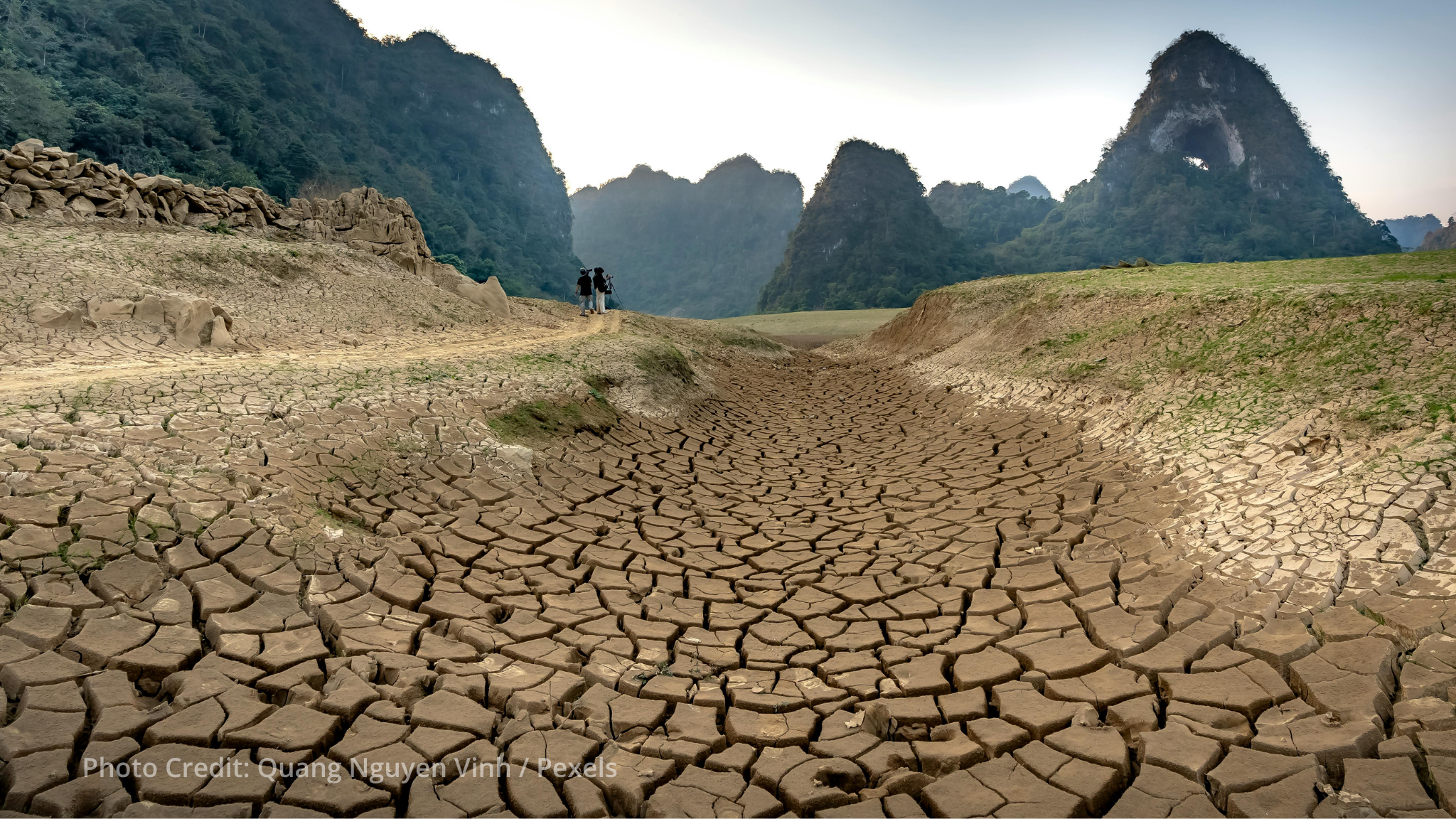
The African Development Bank (AfDB) is urging stronger financing and coordination to advance land restoration across Africa, ahead of the seventeenth Conference of the Parties (COP17) to the United Nations Convention to Combat Desertification, to be held in Ulaanbaatar, Mongolia, from 17 to 28 August 2026 under the theme “Restore the Land. Restore the Hope.”, according to a press release published by the Bank. The message, delivered by Dr. Arona Soumaré, Chief Climate Change and Green Growth Officer and Rio Conventions Focal Point, positions land restoration as central to Africa’s climate, food and economic agenda. Up to 40% of the world’s land is already degraded, affecting more than 3.2 billion people. By 2050, drought could affect three out of every four people. The Bank argues that every dollar invested in restoration can generate between seven and thirty dollars in returns.
At the continental level, this vision is embodied in the Great Green Wall Initiative, originally conceived as a belt of trees stretching across the Sahel, from the southern edge of the Sahara to the Horn of Africa. It has since evolved into a broader effort promoting sustainable land management, ecosystem restoration, resilient livelihoods and green growth. Its ambition is to restore 100 million hectares of land, create 10 million green jobs and sequester 250 million tonnes of carbon by 2030. The African Union’s Great Green Wall Strategy and the United Nations Decade on Ecosystem Restoration provide the framework for coordinated action. In Africa, climate change, deforestation, overgrazing and unsustainable resource use continue to erode agricultural and pastoral systems.
The Great Green Wall alone requires at least $33 billion by 2030, while commitments now exceed $19 billion. The Southern Africa Great Green Wall Accelerator, approved by the Global Environment Facility (GEF), will support the Initiative across the sixteen member states of the Southern African Development Community (SADC). The African Development Bank will serve as the GEF implementing agency, while the Global Mechanism of the United Nations Convention to Combat Desertification (UNCCD) will act as the implementation partner. Together, they will support regional coordination, develop a costed investment plan and prepare bankable projects covering water, energy, ecosystems, resilient infrastructure, sustainable agriculture and inclusive development. The Bank is also strengthening the Pan-African Agency of the Great Green Wall through technical assistance, monitoring systems and support for resource mobilisation.
These priorities are reflected across the Bank’s portfolio, including the Gender-Transformative Resilience to Drought Project in Southern Africa’s Transition States, implemented in Madagascar, Mozambique and Zimbabwe. Support to the Pan-African Agency of the Great Green Wall, through the Transition Support Facility, is strengthening institutional capacity in Eritrea, Mali, Niger, Sudan and Chad. Phase II of the Programme to Strengthen Resilience to Food and Nutrition Insecurity in the Sahel (P2-P2RS) has rehabilitated more than 12,000 hectares of land, constructed 176 water harvesting structures, established 35 nurseries, produced over 512,000 seedlings, reforested more than 2,000 hectares, created 1,228 kilometres of firebreaks and distributed over 7,000 improved cookstoves. According to Dr. Soumaré, “Restore the Land. Restore the Hope.” The shea sector project in Burkina Faso and Togo is reducing the vulnerability of 7,500 women collectors and processors and more than 30,000 beneficiaries.
COP17 forms part of a pivotal year for the three Rio Conventions, alongside the biodiversity COP in Yerevan and the climate COP in Antalya. The Bank stresses that the Riyadh–Ulaanbaatar Action Agenda offers a practical pathway to connect national priorities with the Great Green Wall, community-based solutions and innovative financing. For Africa, land restoration is described as simultaneously an issue of climate adaptation, food security, biodiversity conservation, job creation, gender equality, peace and sovereignty. Closing the financing gap will require well-structured projects, greater use of blended finance and instruments tailored to countries and local communities. The Bank concludes that restoring land means investing in communities, protecting nature and building a more resilient form of growth.