
Add us as your preferred source on Google to see more of our content in Search.
 Add to Preferred Sources
Intensifying fighting in Sudan has displaced at least another 200,000 people since late 2025, while destructive seasonal floods are compounding the humanitarian emergency, the International Organization for Migration (IOM) said on 19 August 2026. In an alert, the agency also warned that relief access has been disrupted further by ongoing delays in global supply chains, particularly through the Red Sea and Strait of Hormuz, according to a press release. Repeated attacks on vital infrastructure have stretched families to their limits, IOM stressed. The agency underlined that essential services are collapsing across affected regions. Urgent action is required to protect civilians, it added.
A total of 8.6 million people have fled the war in Sudan since it began in April 2023. Significant numbers continue to shelter in neighboring countries, as fighting remains active between the Sudanese Armed Forces and the rebel Rapid Support Forces and their allies. More than 4.5 million people have returned to Sudan in approximately the last 18 months, including significant numbers to Khartoum. Many are returning to areas without water, electricity, healthcare or schools, which have been destroyed. Sudan remains one of the world’s largest displacement crises.
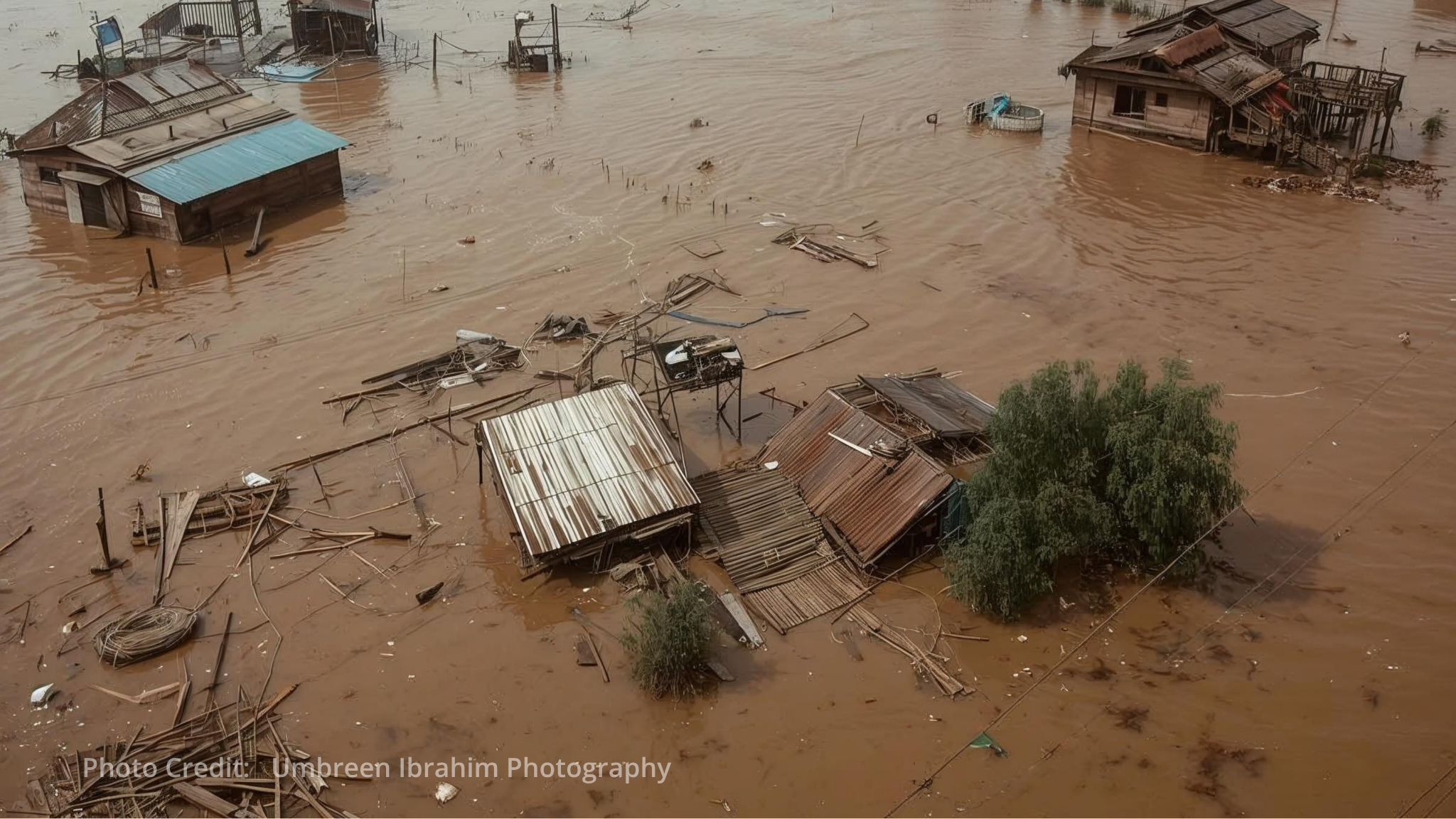
In North Kordofan state, in south-central Sudan, heavy fighting and drone strikes on El Obeid city’s main electrical transformer have triggered prolonged power outages, disrupting water pumping, health facilities and telecommunications. Elsewhere in the state, displacement has surged by 25 percent in Sheikan locality over the past eight months, with more than 200,000 people newly displaced across the wider Kordofan region since late 2025. In Blue Nile, clashes in and near Geissan displaced 7,800 people, with some crossing into Ethiopia. In West Darfur, nearly 18,000 people were displaced in the first half of August. Heavy rainfall in North Darfur destroyed or damaged nearly 1,350 shelters in Tawila’s camps last week, displacing more than 1,000 families.
Additional flooding in the towns of Kabkabiya and Shangil Tobaya, also in North Darfur, forced dozens of families into temporary shelters. In the last 72 hours, IOM has delivered 1,750 metric tons of humanitarian supplies, including 17,750 hygiene kits and 850 tents, directly benefiting 110,750 people in areas where needs are most acute. This figure will rise to over 400,000 in the coming days.
“The warning signs are impossible to ignore. Across Sudan, families are fleeing violence, losing access to water, electricity, and healthcare, and now facing the added burden of destructive floods,” said IOM Director General Amy Pope.
She warned that without urgent action to protect civilians and restore essential services, the suffering will deepen.
IOM is one of several UN agencies involved in the humanitarian response in Sudan. Its role is to support those who choose to return and to help others who are stranded or unable to live in areas where the conflict remains active. The agency stressed that sustained backing is needed to maintain shelter and pipeline operations before conditions worsen further. “Sudan is one of the world’s largest displacement crises,” Ms. Pope said, adding that IOM is committed to delivering lifesaving aid. The agency reiterated its call for urgent support as fighting and floods continue to drive displacement.