
Add us as your preferred source on Google to see more of our content in Search.
 Add to Preferred Sources
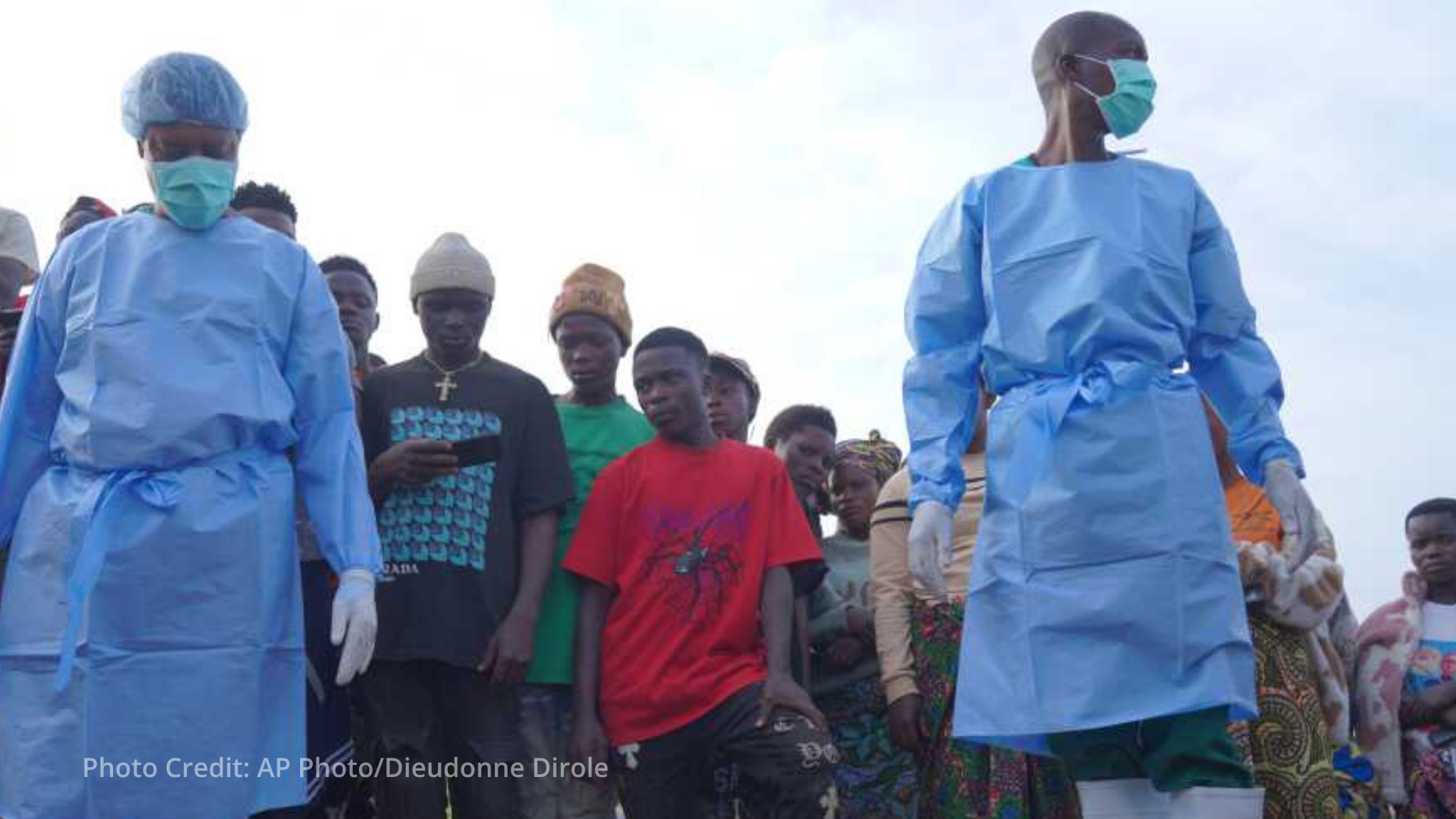
One hundred days after the Ebola disease outbreak was declared in the Democratic Republic of Congo (DRC), affected communities are still not receiving adequate support to contain the disease, Doctors Without Borders/Médecins Sans Frontières (MSF) warned on August 21, 2026, according to a press release. Sunday, August 23, marks the 100-day milestone since the outbreak was officially declared. MSF urged a rapid scale-up in training for health workers and community leaders on case detection, referral of suspected cases, and infection prevention and control. The organization stressed that treatment beds alone are insufficient to bring the epidemic under control. It called for a response built with communities rather than around them.
This outbreak has become the largest and deadliest in the country’s history, and it continues to spread at an alarming rate. Affected communities are already facing conflict, violence, displacement, food insecurity, and other health emergencies. Over the past week, approximately one person has died from Ebola disease every 30 minutes. As of August 16, more than 5,000 people have been confirmed to have the disease, and over 2,400 deaths have been reported since the outbreak began, according to national authorities. More than 60 percent of Ebola disease deaths have occurred in the community, often far from treatment centers.
Case numbers are rising rapidly outside Ituri province, the epicenter of the outbreak. Neighboring North Kivu province is experiencing particularly high levels of mortality, and mistrust of the response is widespread. In Rho displacement camp, near Drodro, Ituri province, community leaders have worked with MSF to encourage people with symptoms to seek testing, isolation, and treatment early. The overcrowded camp hosts nearly 50,000 people, and collaboration with community leaders has helped limit the spread of Ebola disease and reduce mortality. Community engagement has emerged as a decisive factor in slowing transmission.
MSF is responding to the outbreak across Ituri, North Kivu, South Kivu, Tshopo, and Haut-Uélé provinces. Teams operate six Ebola treatment centers and isolation units, with more than 400 beds available — one-third of all beds available in the response. Since the start of the outbreak, MSF teams have admitted more than 1,900 patients, 720 of whom were confirmed to have Ebola disease. More than 1,400 MSF staff are supporting the response.
“This response needs more than extra beds. It needs better detection, safe isolation for sick people and their contacts, and support for health workers,” said Dr. Javid Abdelmoneim, international president of MSF.
In Beni, North Kivu province, MSF has adapted its response to work in the community, including support for existing health facilities that also offer general health care services. Trish Newport, MSF’s emergency program manager in Ituri province, said Ebola-trained health care workers are urgently needed not only inside treatment centers but also directly in affected communities. She called on the World Health Organization, other UN agencies, humanitarian organizations, and the Congolese Ministry of Health to urgently expand training and support. Community leaders such as Ezrome Kiza Lumani and Emery Guba Mateso — the latter a survivor who lost his son to the disease — continue to encourage neighbors to seek care early. Their message reinforces MSF’s call for a faster, community-driven response.