
Add us as your preferred source on Google to see more of our content in Search.
 Add to Preferred Sources
The World Health Organization (WHO) and Peking University have signed a two-year project collaboration agreement aimed at strengthening global health emergency preparedness through research, training, and innovative analytical approaches, according to a press release issued on 21 August 2026 in Geneva, Switzerland. The initiative will be led by WHO’s Department of Health Emergency Preparedness, through its Risk Analytics and Action Reviews (RAR) Unit, together with Peking University’s Institute for Global Health. It will support efforts to strengthen prevention, preparedness, response, and resilience for health emergencies. The agreement aligns with WHO’s Fourteenth General Programme of Work. It also contributes to global efforts to improve preparedness capacities and support evidence-informed decision-making.
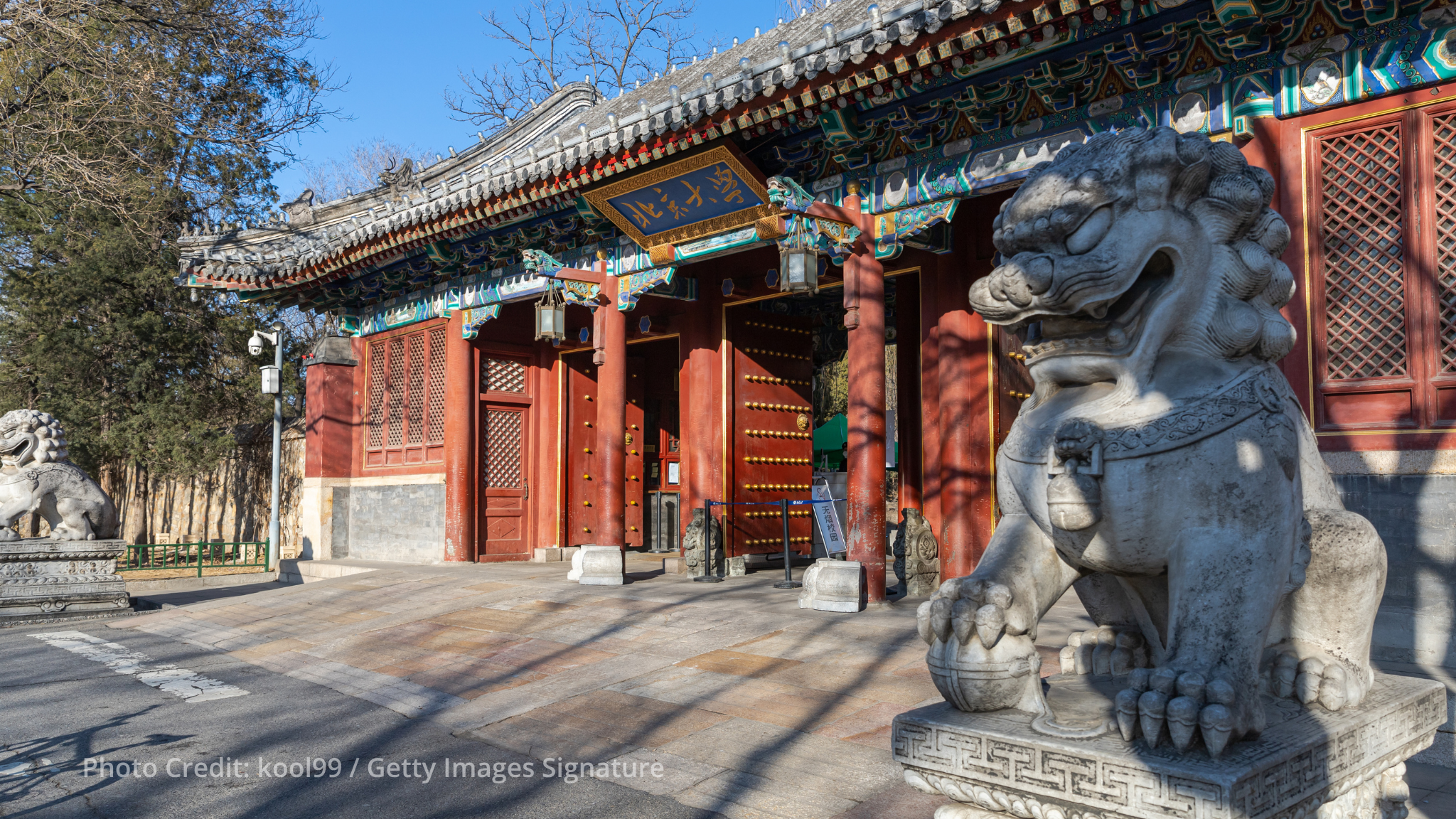
The partnership builds on Peking University’s longstanding engagement in global health research and public health capacity development. The university has been designated as a WHO Collaborating Centre in a number of areas, including universal health coverage. Its Institute for Global Health will act as the main academic counterpart under the agreement. The collaboration reflects a shared interest in linking academic expertise with operational preparedness work. It also reinforces cooperation between WHO and leading academic institutions.
Under the agreement, WHO and Peking University will collaborate in three key areas. The first involves conducting operational and implementation research on health emergency preparedness. The second focuses on developing and delivering training on WHO preparedness tools and approaches, including the WHO benchmarks for strengthening health emergency capacities, simulation exercises (SimEx), after-action reviews (AARs), and Dynamic Preparedness Metrics (DPM). The third centers on developing methodologies to assess investments in preparedness and to measure outcome and impact. Together, these tracks form the technical backbone of the two-year cooperation.
The agreement also expands WHO/RAR’s growing network of academic partnerships. With this signing, RAR has established sustained collaborations with four leading universities across different regions. These partnerships contribute technical expertise, research capacities, training, and analytical products. They support WHO’s work to strengthen health emergency preparedness worldwide. The new agreement adds Peking University to this expanding academic network.
Through the collaboration, WHO and Peking University aim to generate practical evidence and support preparedness efforts. The agreement will run from 1 August 2026 to 31 July 2028. It may be extended by mutual agreement between the two parties. The joint work is expected to feed directly into WHO’s global preparedness agenda. It marks a further step in linking academic research to operational health emergency capacities.