
Add us as your preferred source on Google to see more of our content in Search.
 Add to Preferred Sources
After 100 days, the current Ebola outbreak in the Democratic Republic of the Congo has already surpassed the number of confirmed cases recorded during the 2018 outbreak over two years, according to a press release by the Danish Refugee Council (DRC). Cases continue to rise, and the virus is spreading across more areas. There is no approved vaccine for the current strain, and no proven treatment. The warning comes from Sarah Chieh-Wen Chiang, acting DRC DR Congo Country Director. She stressed that the outbreak cannot be treated as a standalone medical emergency.
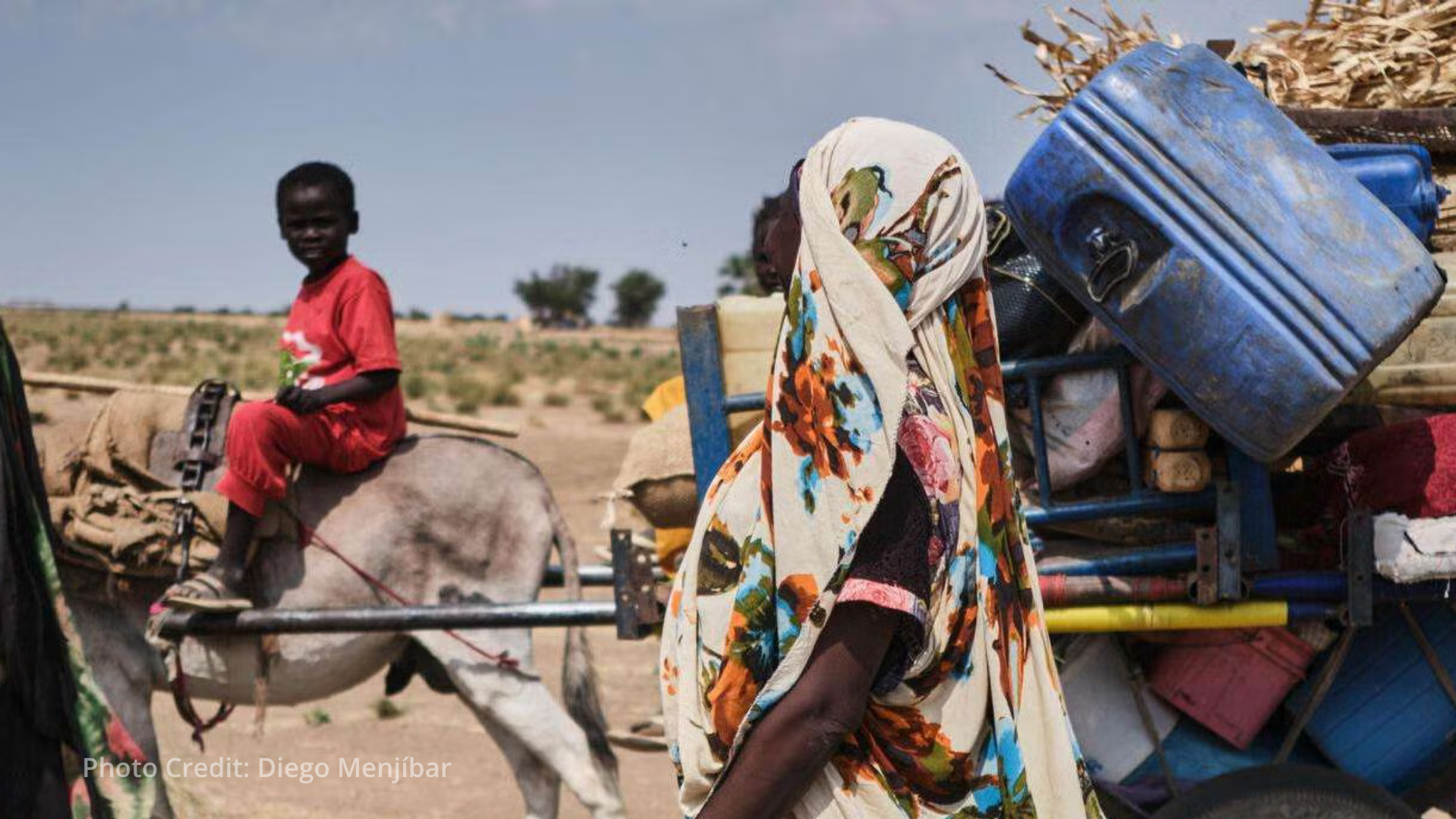
The Ebola outbreak is spreading inside a protection crisis affecting millions of displaced people already trapped in active conflict zones. These communities face horrific violence alongside the lethal disease. In Ituri alone, there are nearly one million displaced people. Families are crammed under plastic tarpaulins in displacement sites, without access to clean water and functioning latrines. Armed groups infiltrate these sites, subjecting women and girls to sexual violence and forcibly recruiting children.
Conditions in displacement camps sharply limit basic hygiene measures. Dozens of families often share a single toilet, and a single borehole is sometimes the only option for tens of thousands of people. Telling people to wash their hands when there is no water erodes trust. The Danish Refugee Council calls for more international investment in restoring basic infrastructure in camps. Traditional health measures simply fall apart in active conflict zones.
Displaced families cannot afford to isolate when daily work is a matter of survival. Cross-border restrictions blocking access to markets and traders in Uganda are pushing desperate people onto unsafe, unmonitored routes, hiding the virus from health workers. When roads are controlled by armed groups and transit is unaffordable, medical care is out of reach. “We cannot separate public health from civilian protection,” Chiang said. Her statement links the containment of the outbreak directly to the safety of civilians.
Conflict forced these people from their homes, and violence followed them into the camps. Now, an untreatable virus is spreading through overcrowded sites. The Danish Refugee Council warns that the crisis combines a lethal outbreak with severe protection failures. Chiang urged that “the world must not look away.” The organization continues to call attention to the intertwined humanitarian and public health emergency unfolding in the DR Congo.