
Add us as your preferred source on Google to see more of our content in Search.
 Add to Preferred Sources
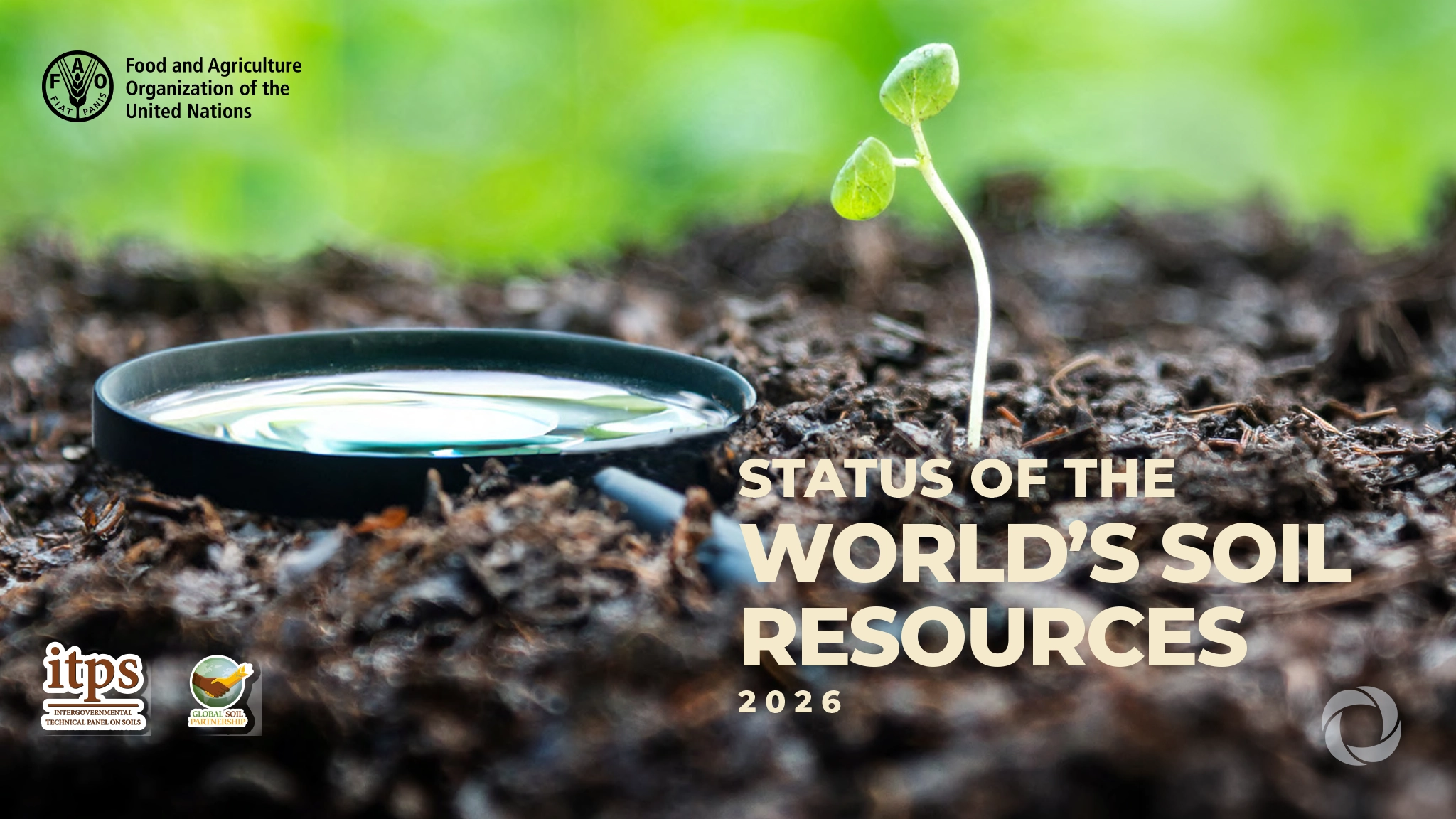
Soil degradation continues to worsen across many parts of the world, while proven practices to protect and restore soils are not being adopted at the pace or scale required, according to a press release issued by the Food and Agriculture Organization of the United Nations (FAO). The findings were presented on 27 August 2026 in Ulaanbaatar during the seventeenth session of the Conference of the Parties to the United Nations Convention to Combat Desertification (UNCCD COP17). FAO launched the Status of the World’s Soil Resources 2026 report alongside new guidance developed jointly with the UNCCD. Together, the two publications combine fresh evidence with practical direction to help countries avoid, reduce and reverse land and soil degradation. The assessment signals mounting risks to global food security and the sustainability of agricultural land.
The report complements the global assessment first published in 2015 by FAO through the Global Soil Partnership, with scientific guidance from the Intergovernmental Technical Panel on Soils. It draws on scientific literature published between 2015 and 2025 and expertise from 75 countries. Soils produce more than 95 percent of the food consumed globally, while also storing water, regulating the climate, supporting biodiversity and sustaining livelihoods. Since 2015, the global population has grown by 800 million people, while the harvested area of major crops has expanded by 80 million hectares. Urbanization, unsustainable agricultural practices, industrial activities, conflicts and pollution all contribute to declining soil functions.
More than half of the regional and subregional assessments reviewed indicate low or very low adoption of sustainable soil management practices. Some 58 percent report a deteriorating trend since 2015, while only around 10 percent report improvement. Soil erosion emerges as the most severe and interconnected threat, with 81 percent of assessments across the seven regions rating erosion management as poor or very poor, and 65 percent reporting a deteriorating trend since 2015. Nutrient challenges vary by region, with some areas facing surpluses from excessive inputs and others facing depletion. Proven practices such as reduced tillage, integrated nutrient management, crop diversification, cover crops, organic amendments and agroforestry can mitigate these threats.
The report outlines five priorities for accelerating progress:
- strengthening soil governance and legal frameworks;
- promoting education, capacity development and knowledge exchange;
- improving soil monitoring through harmonized data, indicators and assessment methods;
- strengthening incentives for the adoption of sustainable soil management;
- fostering inclusive, multidisciplinary and multistakeholder decision-making.
“We have much better evidence today about the pressures facing the world’s soils — and about the practices that can protect and restore them. But this report makes clear that proven solutions are still not being adopted at the pace and scale required. The priority now is to give countries, farmers and other land users the knowledge, capacity and incentives they need to put those solutions into practice,” said FAO Deputy Director-General Beth Bechdol.
The second publication, Living Soils, Productive Lands, Resilient Landscapes, places agricultural land at the center of efforts to achieve land degradation neutrality. It promotes a shift from isolated restoration interventions toward integrated management of productive landscapes, prioritizing the avoidance of degradation, the reduction of ongoing pressures, and the restoration of land where degradation has already occurred. The guidance calls for stronger integration of agricultural land and soil considerations into national development planning, climate strategies, biodiversity frameworks and agrifood system transformation. A digital companion hosted within FAO’s Agrifood Systems Technologies and Innovations Outlook Knowledge Base offers tools, case studies and methodologies. The report urges decision-makers to recognize healthy soils as strategic assets and translate existing knowledge into action.