
Add us as your preferred source on Google to see more of our content in Search.
 Add to Preferred Sources
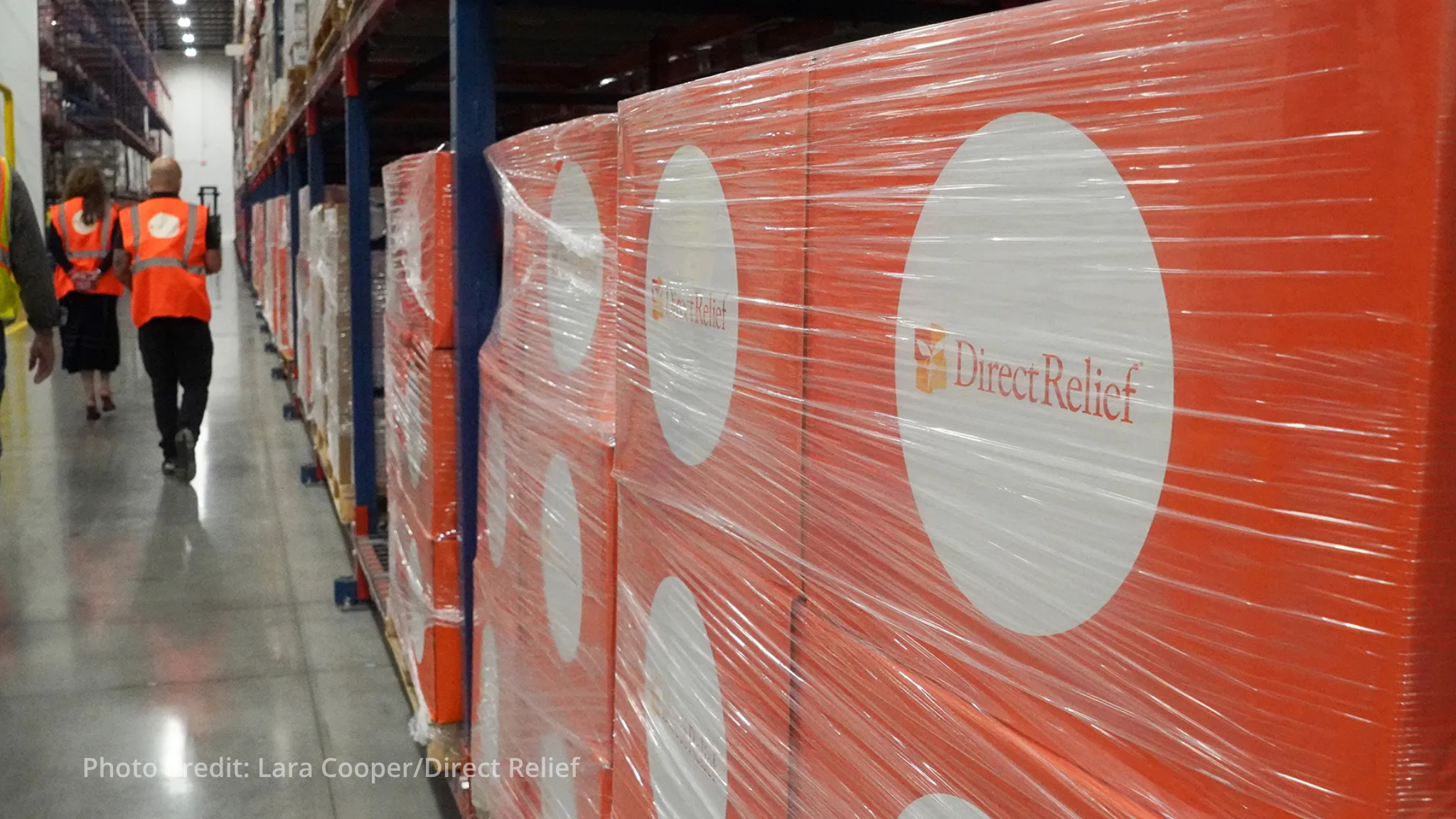
Direct Relief has delivered a cumulative $3.1 billion in donated medicines and medical supplies to nonprofit health providers across all 50 U.S. states and multiple U.S. territories since 2008, according to a press release by Direct Relief. The organization has made 251,471 deliveries during that period, with more than $1 billion of the total distributed since June 2023. The figure reflects the cumulative wholesale value of the donated products, not what Direct Relief paid or what patients would have otherwise spent. The acceleration reflects both expanded capacity and rising need across the U.S. safety net. The milestone marks a significant expansion from an organization once focused primarily outside the United States.
Before Hurricane Katrina struck the Gulf Coast in 2005, Direct Relief’s work was concentrated primarily abroad. After the storm, the organization delivered more than $50 million in material medical aid and cash assistance within six months. It then built the licensing and distribution infrastructure required to distribute prescription medicines nationwide, seeded by investments from medtech company Abbott Laboratories. Direct Relief now holds wholesale distribution licenses in all 50 states. Products move through the same regulated supply chain as commercially sold medicines, with pharmacist review and temperature controls throughout.
According to KFF, nearly six in 10 U.S. adults worry about affording prescription drugs, the highest share recorded since it began asking in 2018. More than four in 10 report taking at least one cost-saving measure that altered their treatment. Teva Pharmaceuticals is providing inhalers for uninsured patients with asthma and COPD through a program launched with Direct Relief in December 2024. Medicines360 and Bayer have supported access to long-acting contraception for uninsured women. Since 2017, Direct Relief has distributed more than 3.5 million doses of naloxone through partnerships with Pfizer.
More than 175 companies across health care, technology, transportation and other sectors help Direct Relief deliver more than $300 million in medical aid each year to over 2,000 community-based organizations nationwide. Since 2017, Direct Relief has provided $56.4 million in financial support and $96.7 million in material medical aid across Puerto Rico, funding 52 resilient-power projects, 67 mobile clinics and off-road vehicles, and wells serving communities without municipal water.
“Community health centers are caring for more patients with more complex needs than ever before, even as workforce shortages and financial pressures intensify,” Kyu Rhee, MD, MPP, President and CEO of the National Association of Community Health Centers, said in April.
Federal law requires states to apply Medicaid work requirements to many adults covered through Medicaid expansion beginning Jan. 1, 2027. The United States averaged 20 billion-dollar weather and climate disasters annually from 2016 through 2025, according to Climate Central.
Direct Relief remains committed to expanding the network of providers it supports and the range of products it provides. Eligible nonprofit providers request what their patients need, Direct Relief delivers at no cost, and no one is billed for a donated item. This applies to patients, insurers and government programs alike. Donated medicine does not fix insurance gaps or staffing shortages. But for uninsured patients, a free prescription can mean the difference between managing a chronic illness and going without care.