
Add us as your preferred source on Google to see more of our content in Search.
 Add to Preferred Sources
The United Nations Economic Commission for Europe (UNECE) has launched a new guide to help cities secure funding for urban and peri-urban forests as record-breaking heatwaves intensify across Europe, according to a press release. Titled Funding and Financing Strategies for Urban Forests, the publication responds to a call to action under the San Marino Regional Urban Forestry Action Plan. It challenges the assumption that municipalities must rely solely on public budgets to sustain their urban canopy. Around 80 million people across Europe were exposed to temperatures above 40°C this summer. Over the past four years, more than 200,000 deaths in the EU are estimated to be heat-related, and this figure is expected to rise.
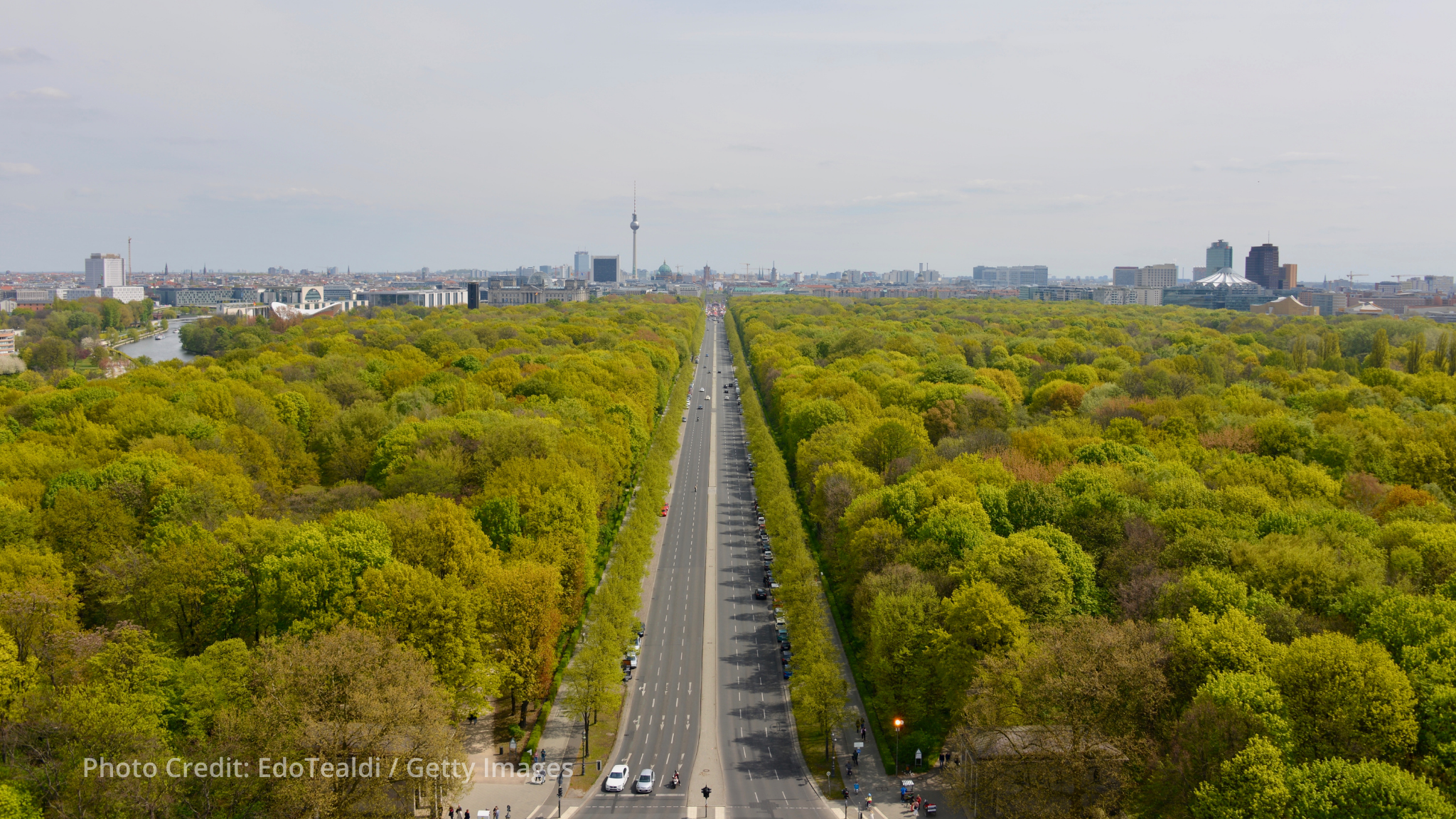
Cities have found themselves on the front line of climate change, with urban and peri-urban forests offering a vital line of defense. These canopies cool neighborhoods while delivering many other benefits to residents. However, urban forests are themselves increasingly vulnerable to drought and extreme heat. Careful long-term management is needed to sustain them, yet they remain chronically underfunded. The new UNECE guide aims to help cities break this cycle.
The publication demonstrates how municipalities can tap into private investment, philanthropy, incentives, and community participation to support the long-term care of urban forests. While tree-planting initiatives often attract political attention and initial investment, funding for the long-term care of existing trees is frequently overlooked. This gap leaves mature canopies vulnerable and municipal budgets under strain. The guide was adopted in response to the San Marino Regional Urban Forestry Action Plan, endorsed in November 2023 by the UNECE Committee on Forests and the Forest Industry. It seeks to reframe how cities approach urban greening finance.
Drawing on examples from around the world, the guide showcases how cities are putting these financing approaches into practice. In London, green corridors are integrated into major transport networks and supported through infrastructure budgets and procurement processes. Leipzig engages residents directly through a citizen-funded street tree programme. Melbourne relies on dedicated urban forest funds to secure long-term financial resources for urban greening. These cases illustrate a shift toward diversified financing models.
For city leaders, the question centers not on whether to invest in urban trees, but on how to sustain urban forests over the long term. As climate pressures mount and public budgets stretch thin, innovative financing, strategic planning, and stronger partnerships will be decisive. UNECE supports cities and governments in advancing urban forests as nature-based solutions through policy guidance, toolkits, and practical resources. The organization provides technical guidance to promote inclusive and effective approaches to urban greening and climate resilience. The full guide is available on the UNECE website.