
Add us as your preferred source on Google to see more of our content in Search.
 Add to Preferred Sources
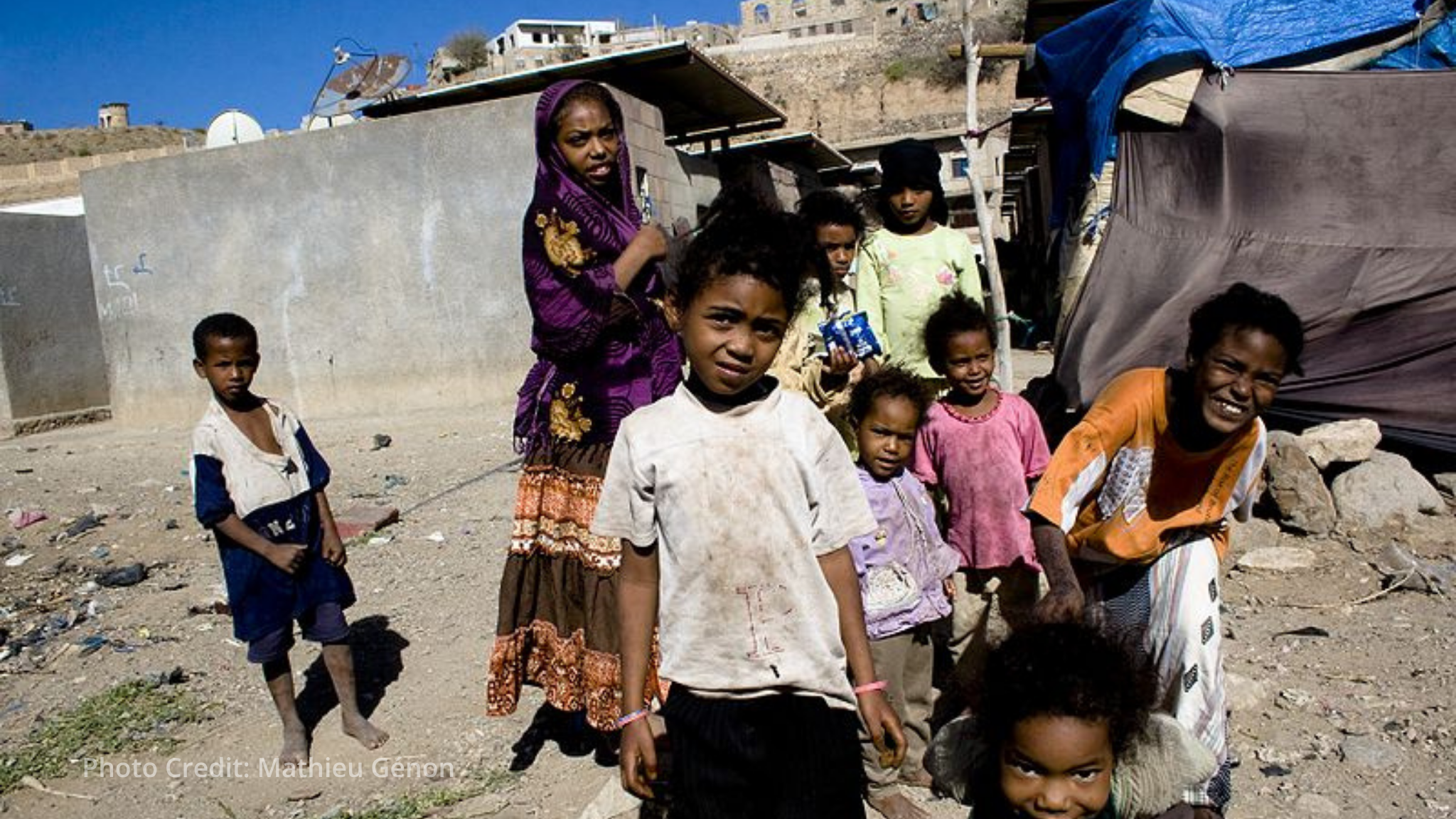
Approximately 18,500 people have been displaced across the governorates of Taiz and Al-Hodeidah in Yemen since hostilities escalated on September 3, according to a press release by the International Organization for Migration (IOM). Renewed clashes along the country’s western coast have forced thousands from their homes, with civilians reportedly among those killed and injured. Figures are rising by the hour as families arrive at host communities and displacement sites. The data has been compiled through IOM’s Displacement Tracking Matrix in coordination with government and partners. Over 2,000 families have been uprooted as fighting intensifies.
Significant displacement has been reported from communities in Maqbanah, Al Ma’afer and Jabal Habashi, including Al-Hajab, Al-Rajehi, Hajjat Gabeh and Al Kadaha. Renewed fighting has also caused secondary displacement among families previously living in displacement sites in Hays. Urban centers and host communities across South Taiz and the West Coast, including Al Mokha, Hays, Mawza, Al Ma’afer and Jabal Habashi, are under significant pressure. Local capacities are overstretched, prompting authorities to issue urgent appeals to humanitarian partners and UN agencies. Additional support is needed to address the growing needs.
Displaced families urgently require cash assistance, emergency shelter, essential household items and food assistance. Access to safe drinking water and hygiene support remains problematic at reception sites and throughout host communities. Affected populations also need emergency healthcare and referral pathways for the injured. Road access challenges caused by ongoing clashes and disruptions to telecommunications networks are slowing efforts to reach, register and verify newly displaced families. Emergency stocks of food, shelter and household items are severely depleted following recent flood and West Coast responses.
“Families are arriving with nothing: no shelter, no food, no way to know if it’s safe to go back,” said Abdusattor Esoev, IOM Yemen’s Chief of Mission.
He noted that many of those affected have already been displaced multiple times before. Esoev also raised concerns about migrants using the Eastern Route who may become trapped or stranded due to the deteriorating security situation. Their limited access to assistance, safe shelter and essential services may further increase their vulnerabilities. Protection risks are expected to rise as movement restrictions persist.
IOM is working with Yemen’s Executive Units for Internally Displaced People and humanitarian partners to track displacement, identify people in urgent need and mobilize resources for a rapid response. So far, 663 households have received vital household items across Taiz and Hodeidah governorates, with further supplies on the way. The Organization is calling on all parties to the conflict to protect civilians, allow safe passage and ensure unimpeded humanitarian access. Donors are being urged to urgently replenish emergency stocks and fund the response. The scale of need continues to outpace available resources.