
Add us as your preferred source on Google to see more of our content in Search.
 Add to Preferred Sources
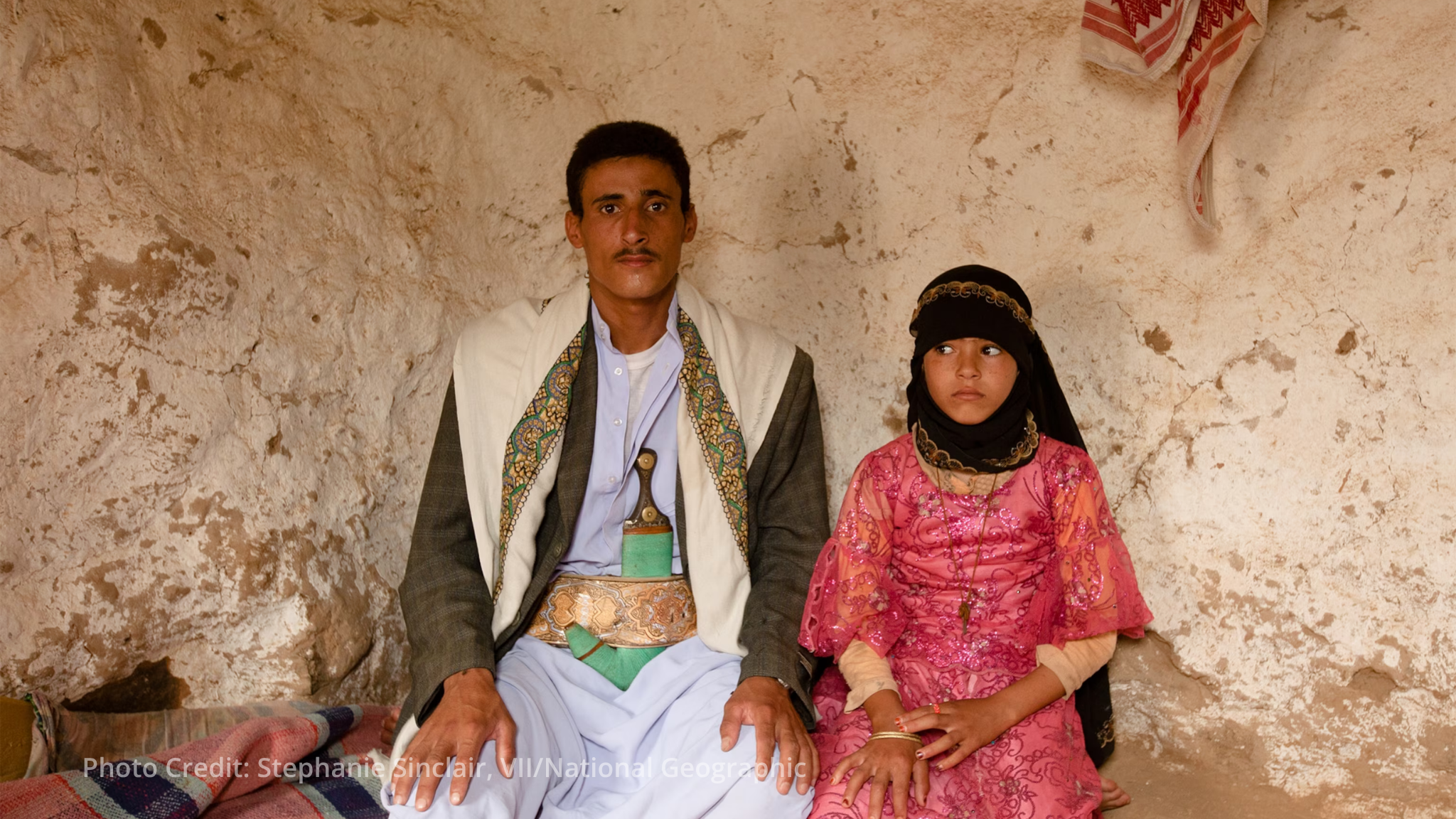
Child brides in Yemen are facing compounded risks of malnutrition, unsafe pregnancies and interrupted education as the country’s humanitarian crisis deepens, according to a press release by the United Nations Population Fund (UNFPA). In Abyan and Al Hudaydah governorates, girls married as young as 13 are arriving at health facilities weakened by anaemia, exhaustion and low weight. Fatimah, forced to marry at 13, gave birth to twin daughters two years later and is now 20. Donia Adel, 19, from Al-Mahraq Village in Abyan Governorate, is eight months pregnant with her second child. Their stories illustrate how early marriage, displacement and food insecurity are converging to endanger mothers and newborns across Yemen.
Yemen remains one of the world’s most severe and complex humanitarian crises, with more than 22 million people, half of them women and girls, in need of urgent assistance and protection this year. Fewer than two thirds of health facilities are fully functional, and only 20 percent of those provide maternal health services. UNFPA estimates that 1.3 million pregnant and breastfeeding women in Yemen are malnourished, while 100,000 are displaced. Almost one third of girls in Yemen are child brides, with rates highest among displaced populations. Over half the population is acutely food insecure, and some 1.5 million girls remain out of school.
Fewer than half of Yemeni women give birth in a health facility, and nearly 30 percent do not receive any form of antenatal care. Yemen has one of the highest maternal mortality rates in the region. Reham Hazbar, a counsellor at a UNFPA-supported safe space in Al Hudaydah Governorate, noted that many young pregnant women arrive suffering from low weight, anaemia and severe exhaustion. Complications on the rise include preterm births, greater risks of bleeding during and after childbirth and poor milk production. Many women also continue strenuous household and outdoor tasks despite their weakness.
“We are witnessing a noticeable increase in cases of malnutrition among pregnant girls, especially those married at an early age,” said Hazbar.
Despite restrictive operating conditions, UNFPA has reached some 400,000 people so far this year with life-saving reproductive health and protection services. Financial support has been provided by European Union Humanitarian Aid, Iceland, Japan and the Netherlands. UNFPA is the only organization offering specialized services such as women-led safe spaces, case management, psychosocial support and referral systems in Yemen. In 2026, the agency requires US$71.9 million to deliver critical reproductive health services to over 3 million people. As of 27 August, only $13 million had been received, leaving a funding gap of over 80 percent.