
Add us as your preferred source on Google to see more of our content in Search.
 Add to Preferred Sources
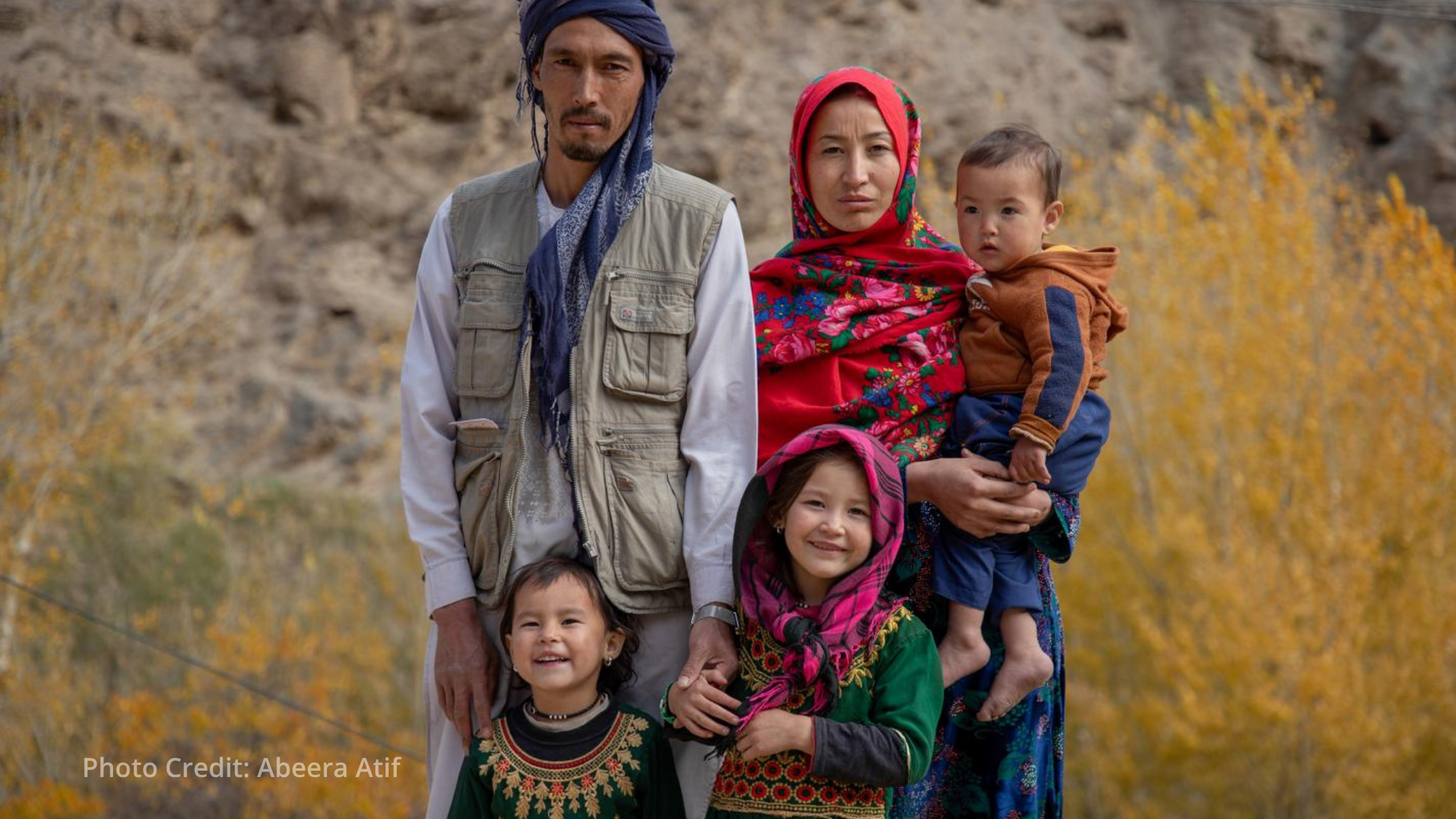
Families in Afghanistan are enduring a humanitarian crisis that worsens month by month, driven by displacement, conflict, climate shocks, and gender discrimination, according to a press release by the Norwegian Refugee Council (NRC). Secretary General Jan Egeland issued the warning during a visit to the country this week, describing the situation as one in which the country has been utterly abandoned, with terrible consequences for women and girls. It marked Egeland’s fifth visit to Afghanistan since the Taliban takeover in 2021. He noted that the crisis is hardest for women and girls. Humanitarian organizations, he said, have less than a third of the funding needed.
While Afghanistan was at the center of international attention before August 2021, it has since faded from the global agenda. NATO countries have withdrawn, leaving millions of vulnerable Afghans with scarce international support. Women and girls continue to face severe restrictions imposed since 2021, including on education, work, movement, and access to basic services. These restrictions are often even greater for returnee women and girls whose families have little or no income. Many are forced to seek shelter in areas without access to healthcare or education.
Afghanistan is experiencing one of the largest return movements in the world. In 2025 alone, 2.9 million Afghans returned from Pakistan and Iran, and more than one million people have returned so far this year. The scale and speed of these returns places enormous pressure on communities, housing, livelihoods, and already overstretched public services. Months of sporadic fighting between Afghanistan and Pakistan has added to the uncertainty facing civilians. Infant malnutrition is soaring, and communities are at rock bottom, with nowhere to turn.
Egeland described meeting families forced to live in the most basic shelters, sometimes lacking roofs and with nothing but sticks and discarded packaging for walls.
“Today in Afghanistan, returnee families are trapped in a terrible position,” he said.
He added that political limitations to engagement with Afghan authorities further restrict opportunities to identify long-term solutions. Mohammad Ali, a father of six who returned from Iran and lives on the outskirts of Herat province, said he had seldom received emergency assistance over the past year. He stated he is willing to work but there is no job or lasting assistance to secure his children’s future.
Funding for the humanitarian response has been cut by almost 70 percent, from 3.3 billion dollars in 2022 to 1 billion dollars in 2025. So far this year, only 500 million US dollars have been provided, about 30 percent of the 1.7 billion dollars needed. NRC supports displaced people across nine provinces in Afghanistan, providing water and sanitation, protection, legal assistance, and education. In 2025, the organization assisted more than 340,000 people, including 49 percent women. Egeland urged the international community to engage meaningfully with Afghan authorities so people do not pay the price for shifting geopolitical priorities.