
Add us as your preferred source on Google to see more of our content in Search.
 Add to Preferred Sources
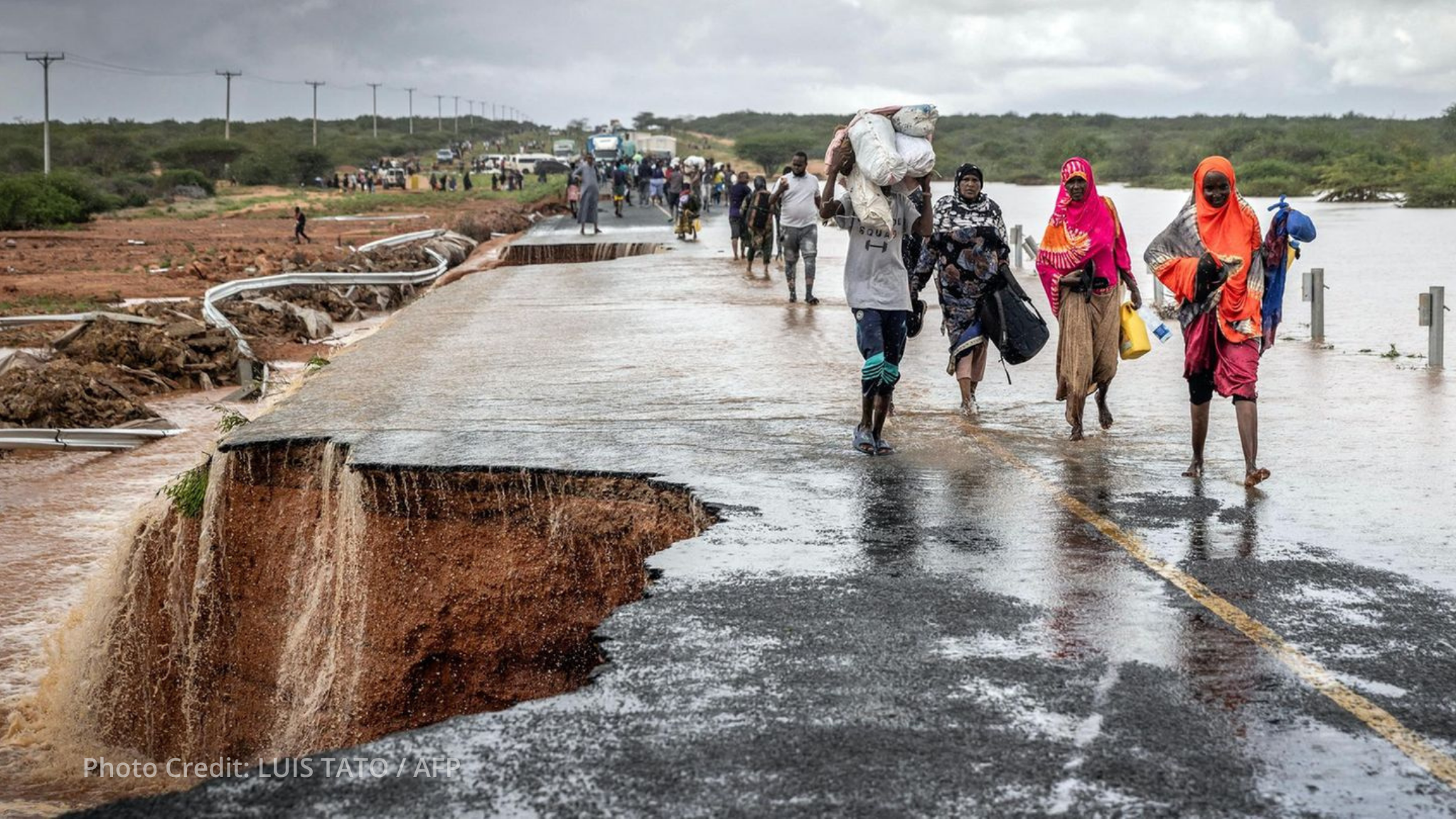
The Government of United Kingdom is scaling up support for countries most at risk from El Niño, pledging up to £15 million through the Humanitarian Crisis Fund to help hundreds of thousands of people prepare for extreme weather next year, according to a press release by the Foreign, Commonwealth & Development Office published on 14 September 2026. The funding will back anticipatory action in drought-prone parts of southern Africa, Southeast Asia and Latin America, as well as flood-affected regions of East Africa and South America. The announcement follows a year marked by devastating extreme weather. It coincides with a speech by the Minister for Development outlining a values-led modern approach to international development. The initiative aims to protect livelihoods before disasters escalate into humanitarian emergencies.
El Niño is a naturally occurring climate pattern that typically occurs every two to seven years. This year is forecast to be the largest El Niño in living memory, driven by high levels of heat in the ocean. According to the World Meteorological Organisation, it could significantly shift rainfall and temperature patterns worldwide, fueling extreme weather. Around 35% of humanitarian shocks can be predicted in advance, yet less than 1% of global humanitarian funding is currently allocated to anticipatory action. The UK is positioned as a global leader in this area, working with partners on early warning systems and pre-arranged finance.
The funding will support proven interventions such as vaccinating livestock before drought conditions take hold, reinforcing homes ahead of flooding, and providing cash support to farming families. Studies have shown proactive drought responses in the Horn of Africa could have prevented an estimated $2.5 billion in lost incomes and assets. The support forms part of a broader UK response, including a new FCDO–Met Office partnership to expand access to AI-powered weather forecasting and early warning systems. The UK is also shaping the World Bank’s Crisis Preparedness and Response Toolkit, launched in early 2024. Domestically, the government is investing £1.4 billion in flood defenses this year, building nine new reservoirs and providing a £65 million support package for British farmers impacted by drought.
Kirsty McNeill, Minister for Development, said: “The climate crisis isn’t something that’s round the corner – it’s already here and people need our help right now.”
She stressed that climate shocks do not stop at national borders and that acting early helps save lives and reduce suffering. She added that preparing now costs less than picking up the pieces afterwards. Lisa Doughten of the United Nations Office for the Coordination of Humanitarian Affairs said anticipatory action based on credible forecasts saves lives and makes every humanitarian dollar go further. Daniel Clarke, Executive Director of the Centre for Disaster Protection, noted that in Bangladesh, families given cash five days before a flood hit were 62% less likely to go hungry.
Aditya Bahadur, Director of the Red Cross Red Crescent Climate Centre, and Christina Bennett, CEO of START Network, echoed the value of anticipatory action for safeguarding food security and livelihoods. Professor Liz Stephens of the University of Reading noted that El Niño events can be forecast many months in advance, opening a window for preparation. The UK-led Sevilla Platform for Action on Pre-arranged Finance aims to increase the proportion of pre-arranged finance within crisis finance from 2% towards 20% by 2035. The UK is also working through Multilateral Development Banks and the UN humanitarian system to advance the disaster risk finance and insurance agenda. Together, these efforts seek to move the international system from reacting to crises toward anticipating and preventing them.