
Add us as your preferred source on Google to see more of our content in Search.
 Add to Preferred Sources
The Office for the Coordination of Humanitarian Affairs (OCHA) has drawn attention to worsening humanitarian conditions in Yemen, Saudi Arabia, the Occupied Palestinian Territory (OPT) and the Democratic Republic of the Congo, calling for increased protection of civilians and expanded response efforts, according to a press release by OCHA. Emergency Relief Coordinator Tom Fletcher has released $9 million from the Central Emergency Relief Fund to support displaced families in Yemen and the communities receiving them. OCHA reiterated appeals for all parties to respect international humanitarian law. Humanitarian operations across the four contexts remain under pressure. Access constraints and funding gaps continue to hinder relief delivery.
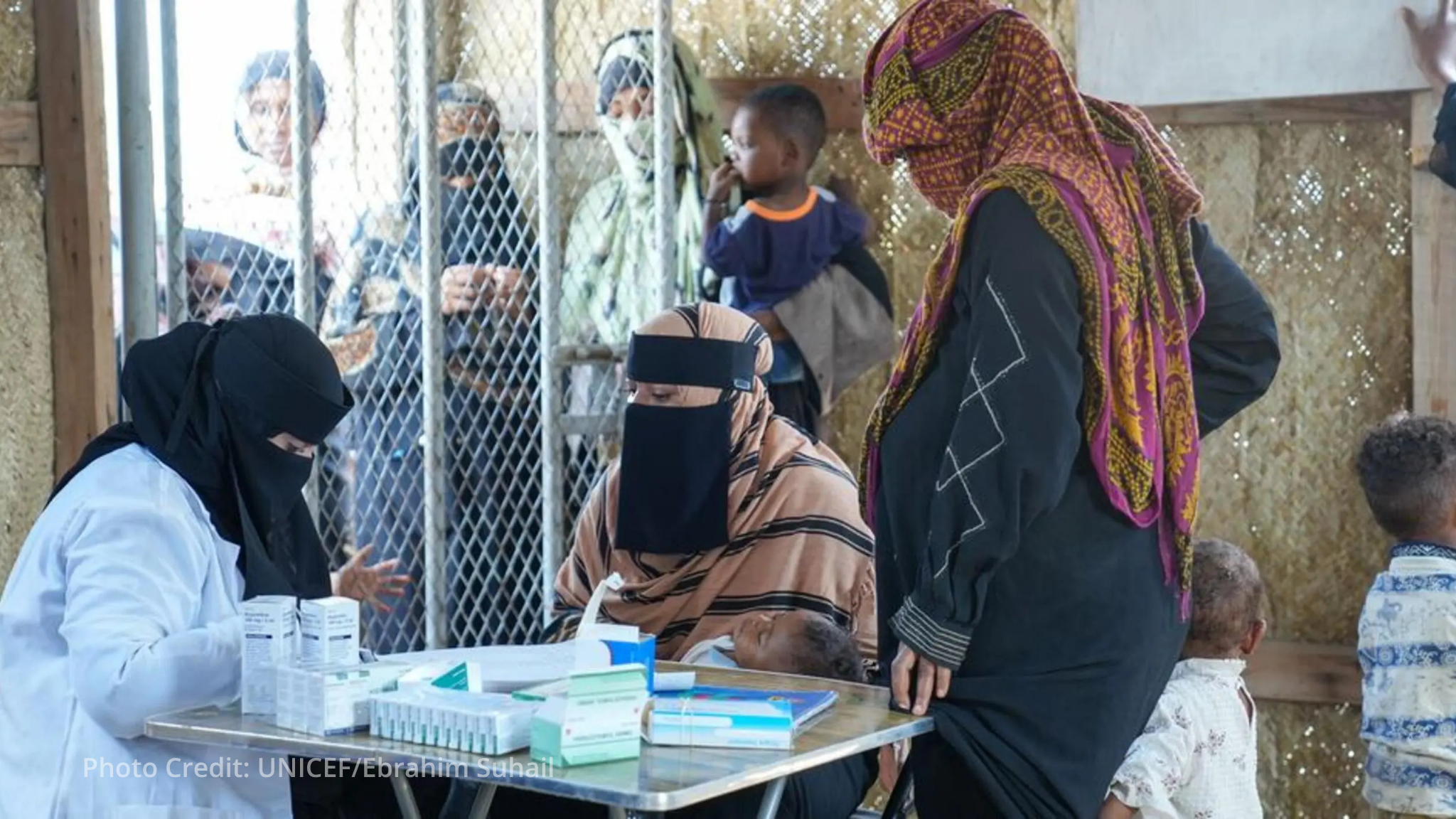
In Yemen, ongoing hostilities are forcing families from their homes and injuring civilians caught in the crossfire. OCHA reports that humanitarian supplies and resources are running low. Movement along key routes is restricted or suspended due to insecurity, making it harder to reach those in dire need. The UN and its humanitarian partners continue to assist displaced families in affected areas. OCHA urges all parties to facilitate safe and unimpeded humanitarian access.
In Saudi Arabia, authorities reported yesterday that 13 civilians were injured following strikes, while last Tuesday authorities also reported that strikes injured 73 civilians, including women and children. On 10 September, an attack on the East-West Pipeline reportedly injured people and led to its precautionary closure. The strike was among several affecting energy infrastructure. Disruptions to trade, energy and essential supplies risk compounding humanitarian needs within and beyond the region. OCHA called on all parties to uphold obligations under international humanitarian law.
In the OPT, civilians continue to be affected by violence, displacement and access restrictions. At a displacement site OCHA visited yesterday in the Khan Younis area of the Gaza Strip, residents said an air strike about two months ago destroyed most of the tents. Families need mattresses, blankets and tarpaulins ahead of the cold and rainy season. In northern Rafah, families reported irregular water deliveries due to ongoing military activities. In the DRC, Special Ebola Coordinator Julien Harneis said the outbreak remains “deadly and massive”.
The Ebola outbreak has affected seven provinces across the DRC, with more than 7,200 confirmed cases and over 3,500 deaths as of Sunday. Six health zones have gone more than 42 days without a new case, and four others have recorded no new infections for more than 21 days. More than 2,000 frontline health workers have been vaccinated in Tshopo and Bas-Uélé provinces. In North Kivu Province, OCHA convened local authorities, community leaders and armed actors to support outreach and contact tracing. OCHA reiterated the need for sustained international support to contain the outbreak and deliver life-saving assistance.