
Add us as your preferred source on Google to see more of our content in Search.
 Add to Preferred Sources
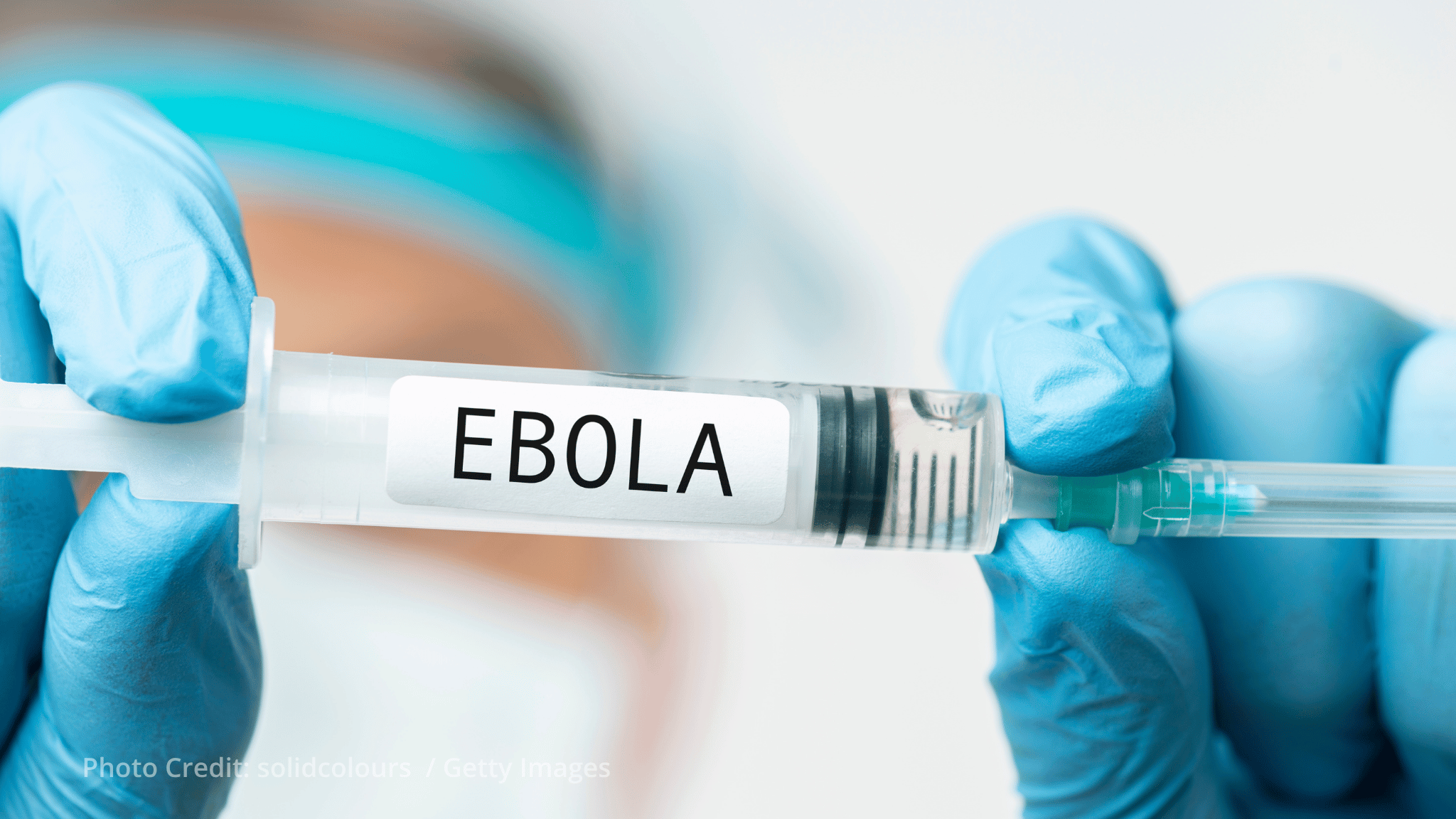
An Ebola vaccine trial is underway in the Democratic Republic of the Congo (DRC), involving frontline health workers and others engaged in the outbreak response. The World Health Organization (WHO) confirmed on Monday that 20,000 doses of the Ervebo vaccine have been allocated for the research vaccination programme in Ituri province, according to a press release. The trial aims to improve understanding of how effective the vaccine is against Ebola Bundibugyo virus. It also seeks to protect individuals most exposed to the disease. The initiative marks a significant step in the ongoing response to the outbreak.
The Ervebo vaccine has previously been described as “highly effective” against Ebola Zaire virus, but it is not yet known whether it can provide “meaningful protection” against Ebola Bundibugyo disease, which continues to spread in the DRC. A total of 70,000 doses have been made available to the Congolese authorities to support the outbreak response and related research. The epicentre of the outbreak remains Ituri province in eastern DR Congo. Since the outbreak was confirmed in May this year, the virus has spread to seven provinces. Response efforts face challenges linked to an ongoing humanitarian emergency in the country’s eastern regions.
First responders on the ground
In January 2025, Rwanda-backed M23 militia seized control of Goma, capital of North Kivu province, before taking Bukavu, capital of South Kivu, weeks later. WHO continues to strengthen surveillance of Ebola infection and transmission, conduct contact tracing, boost clinical preparedness and management, and ensure the delivery of supplies. The UN agency also supports community engagement and cross-border preparedness. Latest health authority data indicates a total of more than 7,600 confirmed cases of infection, including over 3,670 deaths. Nearly eight in 10 infections have been recorded in Ituri.
“Community engagement will be key. It is only when communities are engaged in the response that such outbreaks are brought under control,” the WHO stressed. Ervebo is the only Ebola vaccine licensed for use during outbreaks caused by Bundibugyo virus. A WHO-backed advisory panel recommended earlier this month that Ervebo should only be used for research purposes initially. The panel also emphasized that the vaccine’s “unknown efficacy” against Bundibugyo virus should be clearly communicated. Limited data and anecdotal reports suggest that Ervebo may provide “some protection” against the disease.
Ebola facts
Ebola disease is a severe, often fatal illness affecting humans and other primates. The virus is transmitted to people from wild animals such as fruit bats, porcupines and non-human primates, and then spreads through direct contact with blood, secretions, organs or other bodily fluids of infected people. Transmission can also occur through contact with bedding or clothing contaminated with these fluids. The average Ebola disease case fatality rate is around 50 per cent, according to WHO, with rates ranging from 25 to 90 per cent in past outbreaks. The 2014–2016 outbreak in West Africa was the largest and most complex since the virus was first discovered in 1976.