
Add us as your preferred source on Google to see more of our content in Search.
 Add to Preferred Sources
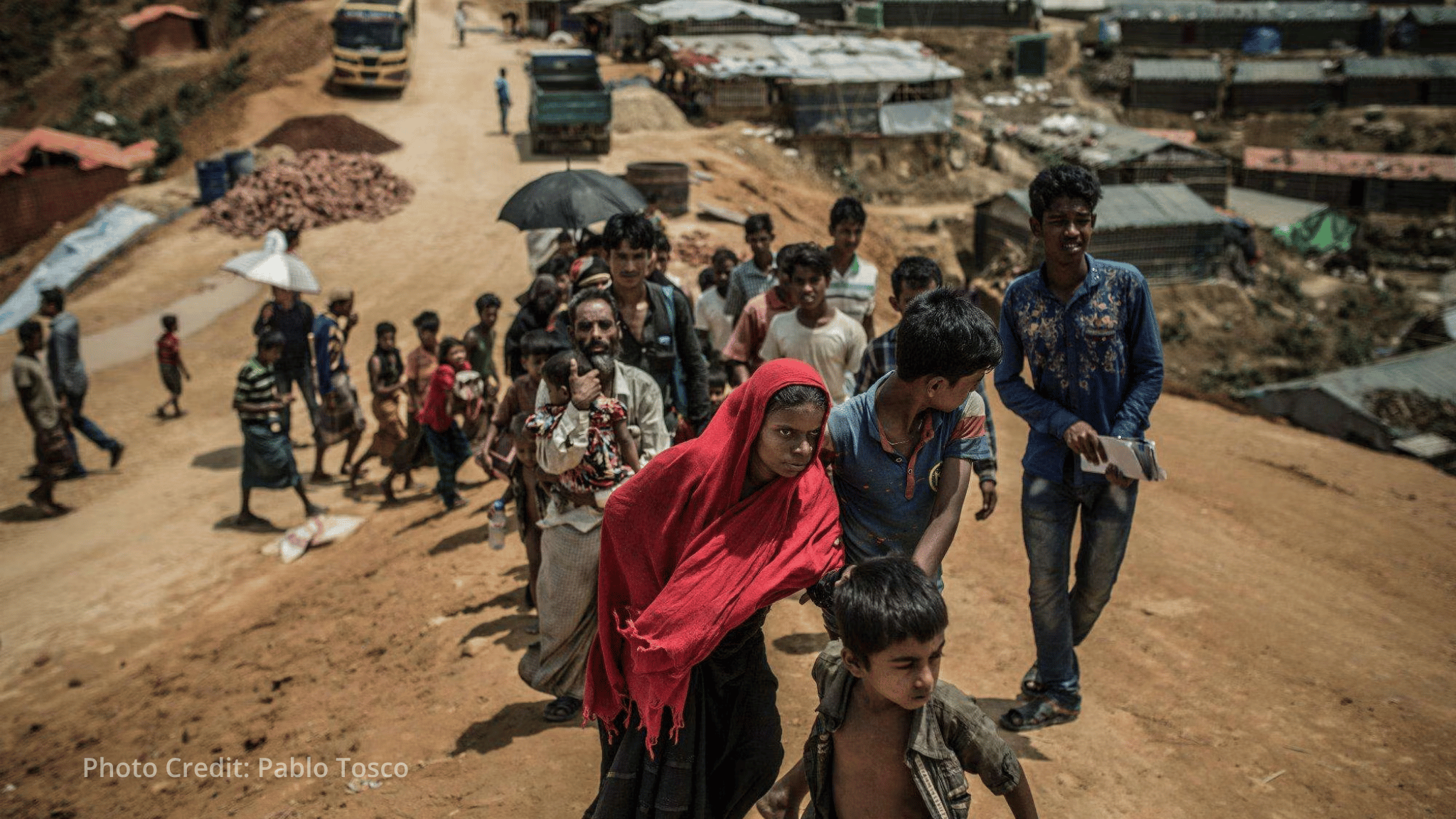
Nine years after the mass displacement of the Rohingya from Myanmar, senior United Nations (UN) officials on Wednesday renewed calls for a durable solution that would allow refugees to return home safely and with dignity, while ensuring justice and accountability, according to UN News. Speaking at a high-level event on the sidelines of the 81st session of the General Assembly, UN High Commissioner for Refugees Barham Salih reminded participants that nearly 1.2 million Rohingya refugees remain in Bangladesh. Officials warned that an entire generation is growing up in exile, with no current conditions for voluntary and sustainable return. The situation remains one of the world’s most protracted and complex refugee crises. Justice, accountability, and a dignified future formed the core of the appeal.
In August 2017, Myanmar’s military launched a crackdown in the country’s western Rakhine state, forcing hundreds of thousands of Rohingya Muslims to flee across the border into Bangladesh. The vast majority remain refugees today. Conflicts continue in Myanmar, and conditions for safe return do not exist at the moment, Mr. Salih said. Bangladesh continues to host the world’s largest refugee settlement. UN officials commended the country for its extraordinary hospitality and generosity.
The Secretary-General’s Special Envoy on Myanmar, Julie Bishop, said that for children born in 2017, displacement now encompasses their entire childhood. She estimated that over 30,000 children are born into the camp each year. Women and girls face growing risks of gender-based violence, including from armed groups and criminal networks, while access to protection services is declining. Without prospects for a safe and dignified future, refugees face increasing risks of exploitation, trafficking, forced conscription and dangerous sea journeys. “The young are losing hope,” she warned.
Prime Minister of Bangladesh Tarique Rahman drew attention to the growing costs of prolonged displacement, both for the Rohingya and for host communities. He cited human trafficking, migrant smuggling, drug trafficking, and other transnational crimes as emerging security risks. While thanking international partners, he stressed that generosity cannot become an excuse for political inaction.
“Nor can Bangladesh be expected to shoulder this responsibility indefinitely,” he said. “The crisis originated in Myanmar; its solution lies in Myanmar.”
President of the General Assembly Khalilur Rahman underscored the importance of sustained political attention and predictable humanitarian assistance. Officials also pointed to the genocide case before the International Court of Justice, brought by The Gambia against Myanmar, stressing that justice must be an integral part of any lasting solution. Drawing on his conversations with refugees, Mr. Salih said many continue to hope for a return home, but that return must mean more than simply crossing a border. It means “returning with rights, being able to move freely, to go to school, to work, to access services,” alongside a pathway to citizenship. “Our responsibility is to help make that future possible,” the UNHCR chief added.