
Add us as your preferred source on Google to see more of our content in Search.
 Add to Preferred Sources
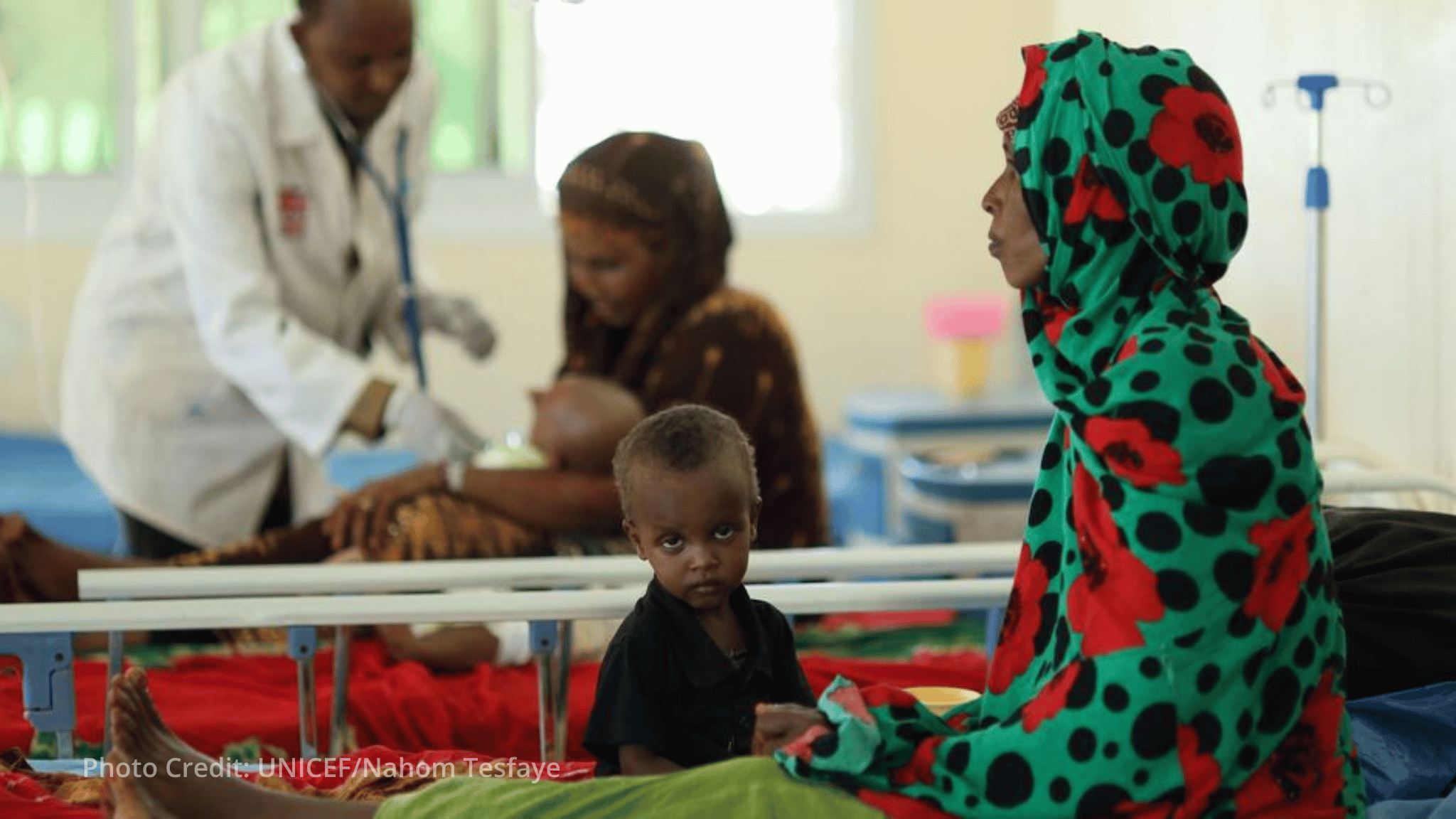
Millions of people across Somalia continue to face high levels of hunger while acute malnutrition among children is projected to worsen in the coming months, the Federal Government of Somalia and the United Nations (UN) warned on 23 September 2026. Heavy flooding tied to the anticipated El Niño is expected to intensify the situation between October and December 2026, according to a joint news release issued from Mogadishu. Officials cautioned that funding shortfalls could push more people, especially children, into extreme food insecurity and acute malnutrition.
The latest Integrated Food Security Phase Classification (IPC) analysis projects that 5.4 million people will face crisis levels of hunger or worse between October and December 2026, including 1.5 million at emergency levels or worse. Between July 2026 and June 2027, 1.92 million children under five will require treatment for acute malnutrition, including 433,000 with severe acute malnutrition. Nearly 62 percent of the malnutrition burden is concentrated among rural populations. Internally displaced people in Belet Weyne and pockets of displacement sites in Baidoa are projected to reach Extremely Critical levels (IPC Acute Malnutrition Phase 5).
Acute malnutrition in Burhakaba district, Bay region, at risk of famine in April, has improved following the Gu rains and a scale-up of humanitarian response. However, the current analysis indicates a risk of famine in Baidoa, also in Bay region, where IDPs face catastrophic hunger risk and extremely critical malnutrition classifications. A follow-up assessment is planned for October 2026 to confirm the level of risk. According to the Somalia Disaster Management Agency (SODMA), 2.5 to 3.5 million people could be exposed to flooding, with 1 million likely to be displaced.
“The humanitarian crisis in Somalia remains dire and millions of people are at risk due to these high levels of hunger and malnutrition,” said George Conway, Humanitarian Coordinator for Somalia.
He warned that El Niño-related flooding will further undermine fragile livelihoods, displace communities and increase disease risk. Between 2021 and 2025, UNICEF, together with the Government of Somalia and partners, supported more than 2.25 million admissions of children with severe acute malnutrition. Agropastoral communities weakened by the below-average 2026 Gu rains are among the most affected.
The Federal Government of Somalia and the UN are calling for immediate action to sustain food and cash assistance and treatment for severe and moderate acute malnutrition. Partners are urged to pre-position food, emergency livelihoods and nutrition supplies, and enhance cash readiness before flooding restricts road access in October. The UN in Somalia is scaling up integrated nutrition, health, water and sanitation, and food security assistance in the highest-risk districts, prioritizing areas classified at Phase 4 and above and displacement settlements in Beledweyne and Baidoa. Funding decisions in the coming weeks will determine whether food and treatment reach communities once roads are cut.