
Add us as your preferred source on Google to see more of our content in Search.
 Add to Preferred Sources
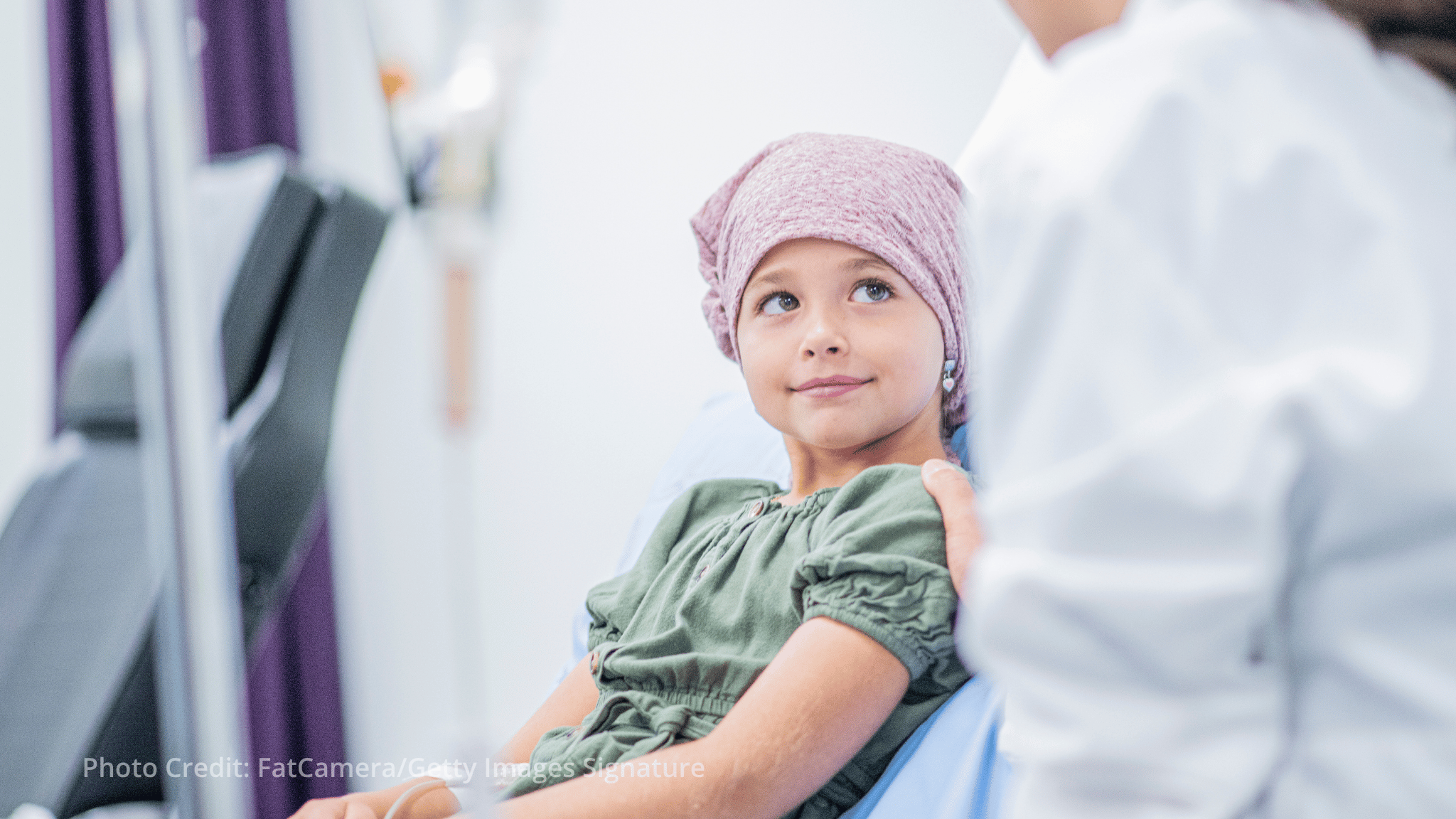
More children and young people are surviving cancer, but progress remains uneven across regions and age groups, underscoring the need for greater investment to boost survival rates, according to the World Health Organization (WHO). On 23 September 2026, the agency released complete country-comparable baseline data on five-year survival estimates for lymphoid leukaemia, a cancer that affects the blood and bone marrow. The dataset covers 194 nations and supports a global push to close survival gaps for young patients.
The figures informed the findings of a report published in May, Measuring Survival, Driving Change, which examined global efforts to address inequalities and ensure more children and adolescents defeat a cancer diagnosis. The report was issued by WHO’s Global Initiative for Childhood Cancer (GICC), established in 2018. It provides a foundation for tracking childhood cancer outcomes worldwide. “Childhood cancer is one of the clearest indicators of health system performance,” said Dr. Roberta Ortiz, Childhood Cancer Medical Officer at WHO.
Marked disparities in survival
Each year, approximately 400,000 people worldwide aged 19 and under develop cancer. Although most childhood cancers are highly treatable, survival depends on where patients live. In high-income countries, survival rates now reach between 80 per cent and 90 per cent, compared with closer to 40 per cent in countries with weaker health systems. The report described this gap as “one of the greatest health inequities of our time.” The Western Pacific and Europe have reached some of the highest estimated survival levels, while Africa and parts of the Eastern Mediterranean face persistent challenges linked to inequities in timely diagnosis, access to essential medicines and high-quality care.
Adolescents face wider gaps
The report also showed that adolescents aged 15 to 19 face a wider survival gap than children aged 14 and younger, with the divide most pronounced in low- and middle-income countries. For the younger group, the median five-year survival for lymphoid leukaemia is 66.7 per cent, while older teens have a nearly 39 per cent chance of beating the disease. Delays in diagnosis, gaps between paediatric and adult services, and limited evidence on adolescent cancer care are among the barriers identified. Adolescents also face different types of cancer than younger children and therefore require different kinds of care. WHO stressed that “strategic investments in infrastructure, training and equitable service delivery can dramatically improve survival.”
Tracking progress worldwide
The complete dataset allows WHO and governments to monitor commitments to boost overall childhood cancer survival to at least 60 per cent by the end of this decade. It marks the first time that survival estimates have been produced using a common methodology across all WHO Member States. The standardised baseline enables comparisons of performance and helps identify where investment is most needed. WHO has also advanced access to quality-assured, child-friendly cancer medicines. The findings reinforce the agency’s call for stronger investment to save more young lives from cancer.