
Add us as your preferred source on Google to see more of our content in Search.
 Add to Preferred Sources
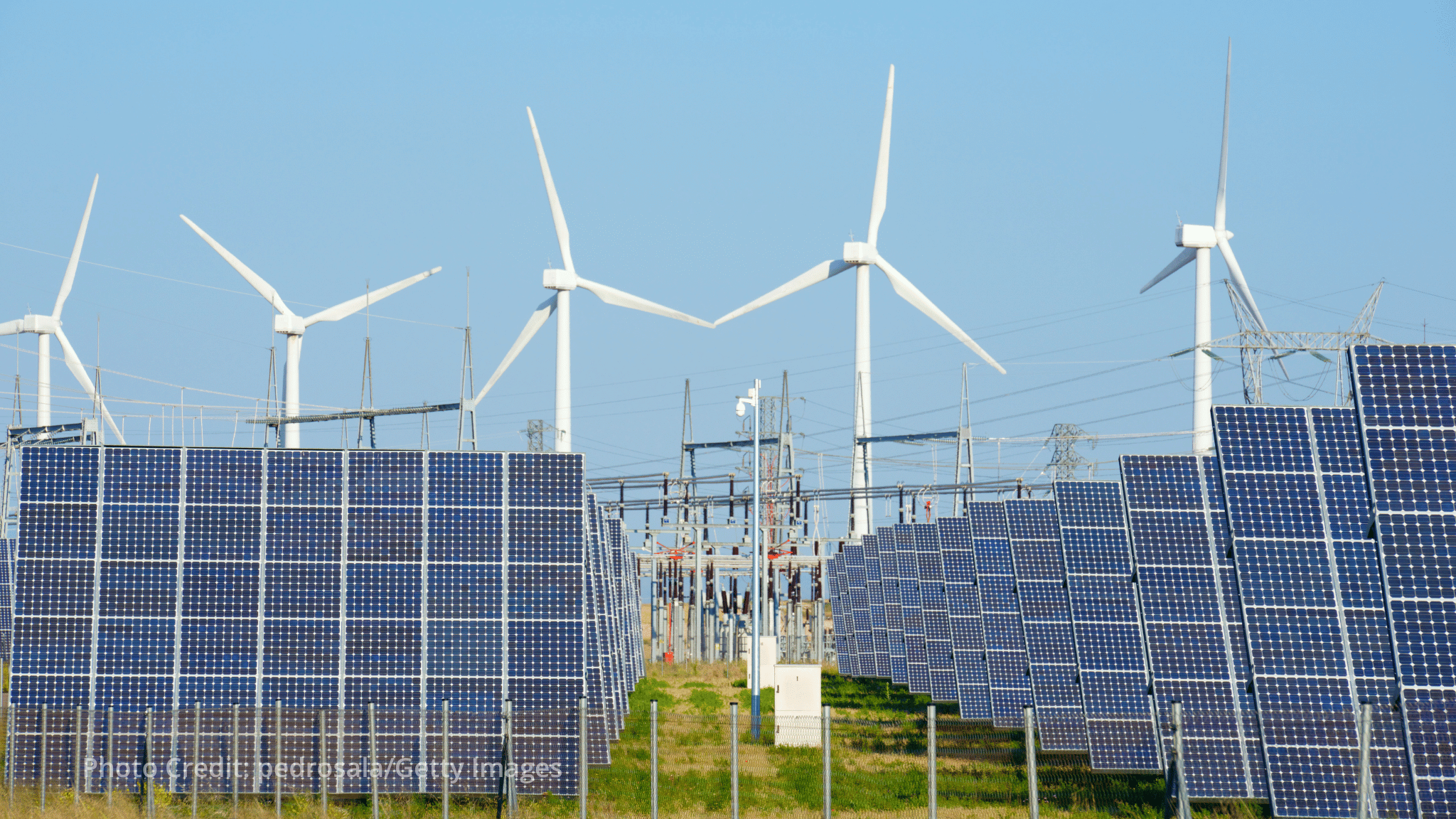
The ongoing conflict in the Middle East is disrupting global energy markets and driving up fuel prices, but it is also transforming how governments define energy security, according to Francesco La Camera, Director-General of the International Renewable Energy Agency (IRENA), in an interview with UN News during the General Assembly’s High-Level Week on 28 September 2026. For decades, energy security meant national reserves of oil and gas, but countries now want systems that are more diverse, decentralized and within their own control. Renewables, La Camera argued, are becoming central to that shift. The remarks trace today’s thinking back to the oil shocks of the 1970s. They frame renewables as the answer to today’s geopolitical volatility.
La Camera recalled that the 1970s oil shocks first prompted the world to treat energy security as a systemic concern and led to the creation of international bodies to stabilize markets. Fossil fuel supply, he noted, is highly concentrated and much of it passes through a handful of maritime chokepoints. As a result, a geopolitical shock can ripple through global markets within days. “Countries have realized that a centralized energy system based on fossil fuel doesn’t provide energy security,” he said. Renewables, by contrast, offer energy from many sources and places, owned by many different actors.
Countries with a higher share of renewables have generally weathered the current crisis better, La Camera said. Spain has been comparatively less affected, while in Norway close to half of road transport is now electric. The drive toward renewables, once powered mainly by the goal of meeting the Paris Agreement, is now reinforced by energy security concerns. Around 90 percent of new power generation capacity added worldwide each year comes from renewables. In China, solar capacity overtook coal-fired capacity for the first time in history at the end of July.
“We are moving toward a new energy system built primarily on renewables, complemented by the sustainable use of biomass and, above all, green hydrogen,” La Camera said.
He pointed to IRENA research showing that renewables paired with storage — what the agency calls “firm renewables” — can deliver round-the-clock, year-round power more cheaply than gas or nuclear. Electrification is central to decarbonization, with buildings, transport and industry all needing to electrify further. With demand growi ng faster than expected and efficiency gains lagging, he warned the supply-demand 7654 gap by 2030 could be wider than previously projected. Tripling renewable capacity by 2030 may not be enough alone.
To close the gap, IRENA has set a 35 by 35 goal: raising electricity’s share of final energy consumption to 35 percent by 2035, likely a key COP31 topic. La Camera identified three priorities:
- Infrastructure — interconnected, flexible grids supported by artificial intelligence and digitalization, plus ports and related facilities;
- A fairer legal and regulatory environment, since fossil fuels still benefit from subsidies that slow the new system’s growth;
- Workforce — retraining workers for the energy system ahead.
For developing countries, high financing costs and limited grids compound the challenge, and he is calling on multilateral financial institutions to make infrastructure and grid modernization a clear priority. “Grid, grid, grid – interconnectivity, flexibility and balance. This is, I think, the most urgent thing to act on right now,” he said.