
Add us as your preferred source on Google to see more of our content in Search.
 Add to Preferred Sources
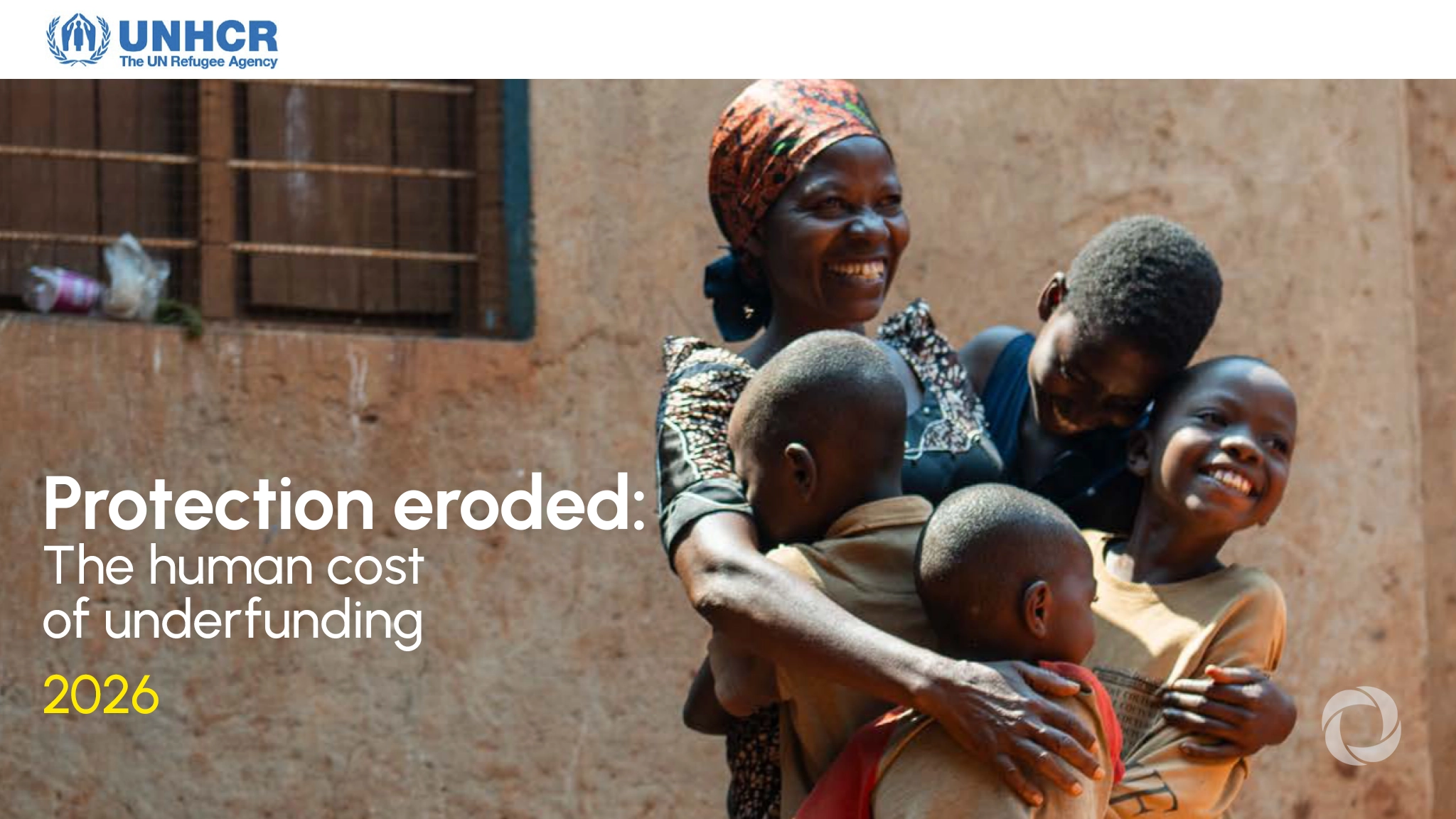
The UN Refugee Agency (UNHCR) has warned that nearly 8.3 million refugees and other forcibly displaced and stateless people are on the brink of losing access to vital assistance, as severe funding cuts push protection structures towards breaking point, according to a press release issued from Geneva on 29 September 2026. The findings are detailed in a new UNHCR report titled ‘Protection Eroded: The Human Cost of Underfunding’. The agency said it has been forced to scale back core programmes across the world’s main displacement situations. Millions of people are being left without the support they need to stay safe. UNHCR is urging donors and partners to provide urgent support and expand flexible funding.
Available funding fell from $5.2 billion to $3.9 billion between 2024 and 2025. By the end of July 2026, UNHCR had received only 32 per cent of the $8.5 billion needed this year. The shortfall comes as the number of people the agency is mandated to protect remains at historically high levels. UNHCR has undertaken significant reforms and prioritization measures to safeguard its most critical work. However, even the highest-priority protection and solutions activities are now affected.
In Chad, 319,000 refugees face registration delays, leaving them without documentation and exposed to detention risks; up to 200,000 women and girls risk losing access to safe spaces and prevention programmes; and around 233,000 children could lose child protection services. In Ethiopia, capacity at safe houses for survivors of gender-based violence has more than halved in a year, while child protection coverage in some areas has fallen by as much as 85 per cent. In Sudan, tens of thousands of survivors of sexual violence and children at serious risk could lose access to critical protection services. Livelihoods and business development opportunities are at risk for approximately 395,000 refugees and host-community members in Chad. In Iraq, up to 350,000 refugees and asylum-seekers risk losing access to economic inclusion opportunities.
“When registration stops, safe houses close or child protection services disappear, the very risks that people fled – violence, exploitation and abuse – reappear in displacement, trapping families in a cycle of vulnerability and forcing some to move again in search of safety or fall prey to traffickers,” said Dominique Hyde, UNHCR’s Director of External Relations.
She warned that protection cannot be reduced indefinitely without systems collapsing. In Syria, 162,500 vulnerable internally displaced people and refugee returnees will not receive financial assistance during the initial stages of return unless additional funding is quickly received. In Afghanistan, reintegration grants have reached just 175 households so far in 2026, compared with 5,300 in 2024. These figures illustrate how funding pressure is undermining efforts to help displaced people move beyond reliance on humanitarian aid.
The proportion of UNHCR funding tied to specific activities or projects has risen from 19 per cent in 2022 to 51 per cent in 2026, reducing the agency’s flexibility to deploy resources where they are needed most.
“Flexible funding helps us move the right expertise and funds to where they are needed most,” Hyde said.
She added that it enables teams to move quickly as needs change, protect essential services and remain on the ground when crises intensify. Importantly, it also helps UNHCR respond to new emergencies without abandoning crises that have fallen out of the headlines. The agency is calling on donors and partners to act now to protect progress already made and help people rebuild their lives.