
Add us as your preferred source on Google to see more of our content in Search.
 Add to Preferred Sources
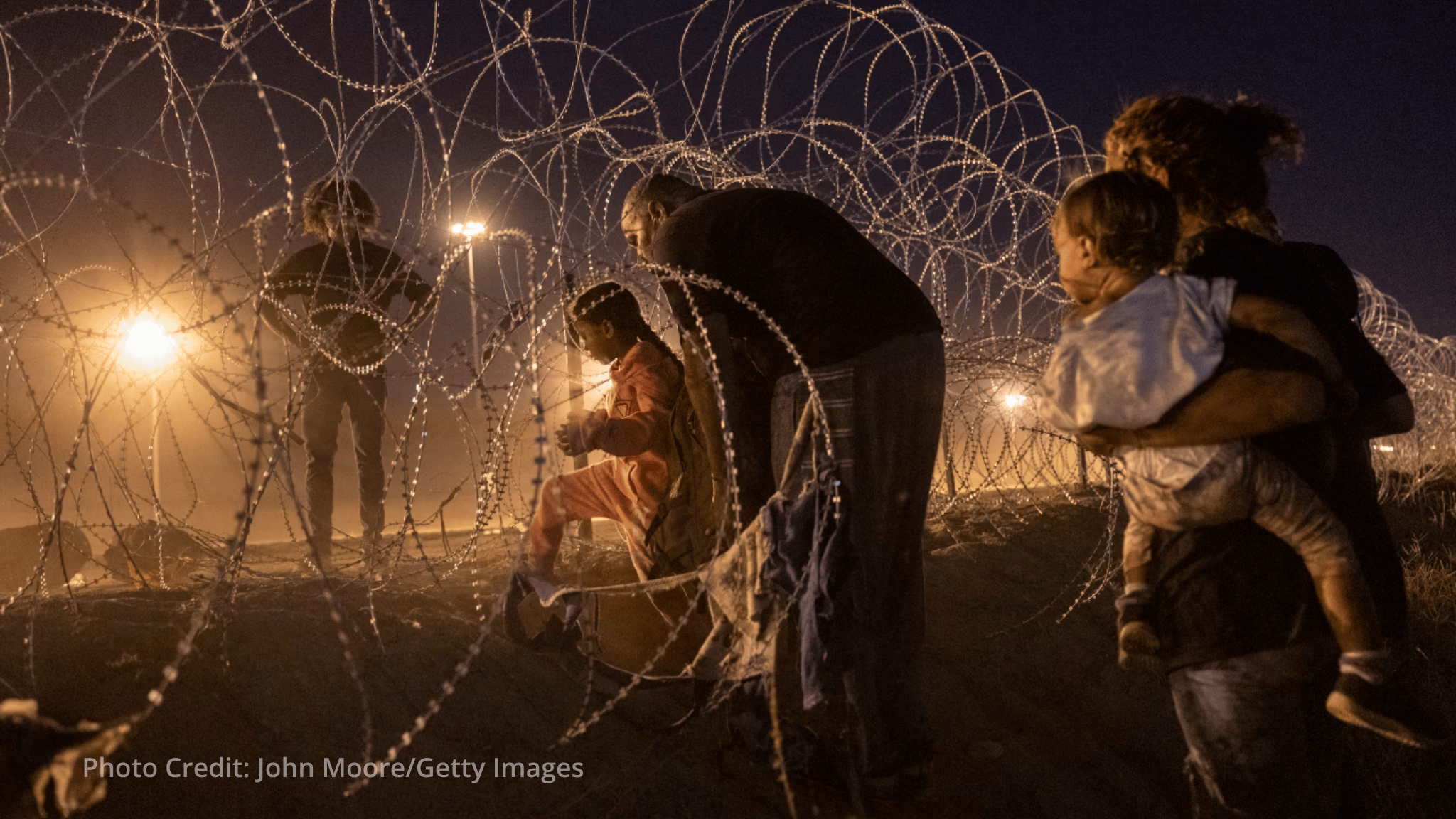
US migration externalization arrangements are placing migrants at heightened risk of human rights violations, including torture and persecution, UN Human Rights Experts warned on 28 September 2026, according to a press release by the United Nations Human Rights Office (OHCHR). The experts said transfer agreements for migrants and asylum seekers have expanded across more than 35 countries and territories where their rights cannot be effectively safeguarded. They cautioned that the harms caused by the scheme are no longer hypothetical. The arrangements are breaching the customary law principle of non-refoulement. The warning frames externalization as a cascading threat to migrant protection worldwide.
Under these removal arrangements, the US Government has already sent at least 23,000 third country nationals to 29 countries and territories. The scheme targets asylum seekers and migrants at various stages of their immigration process. The experts noted that these arrangements are largely removed from democratic oversight and independent human rights monitoring due to their lack of transparency. Communications have been issued to the US and all governments with which it entered into externalization agreements as of June 2026. That group totals 35 countries and territories so far.
The experts warned that the arrangements have opened the door to arbitrary and incommunicado detention, enforced disappearances, inadequate access to legal counsel, and denial of due process. Other cited violations include family separation, discrimination, homelessness, slavery, trafficking, serious impacts on mental health, and lack of access to healthcare and basic services.
“At gravest risk are children, women, persons with disabilities, victims of trafficking, LGBT persons, human rights defenders, stateless persons and other people in extremely vulnerable situations,” they said.
Migrants are being transferred to countries with which they have no ties. Some are sent to places where they risk further violence or discrimination.
The experts warned that many receiving states lack asylum processing infrastructure, protective holding facilities, or adequate health services. In many cases, these third countries are themselves engulfed in conflict, with populations facing displacement, starvation, and debilitating poverty. Some arrangements provide only temporary reception followed by onward removal at the discretion of the third country. “States cannot contract out of their international legal obligations,” the experts said, adding that the prohibition of refoulement applies wherever a State exercises jurisdiction or effective control. They stressed that obligations cannot be set aside through bilateral agreements, diplomatic assurances, or financial arrangements.
The experts urged that UN entities, including the International Organization for Migration (IOM), must never legitimize arrangements that expose people to refoulement or other grave violations. They called on all States and territories involved to immediately halt these arrangements and restore access to fair and effective asylum procedures. They also demanded due process guarantees, prevention of chain refoulement, and transparency with independent monitoring.
“Human rights must be at the centre of migration governance, not sacrificed in the pursuit of deterrence,” they said.
The UN Special Procedures remain in contact with the United States, all 35 countries and territories concerned, UNHCR, and IOM.